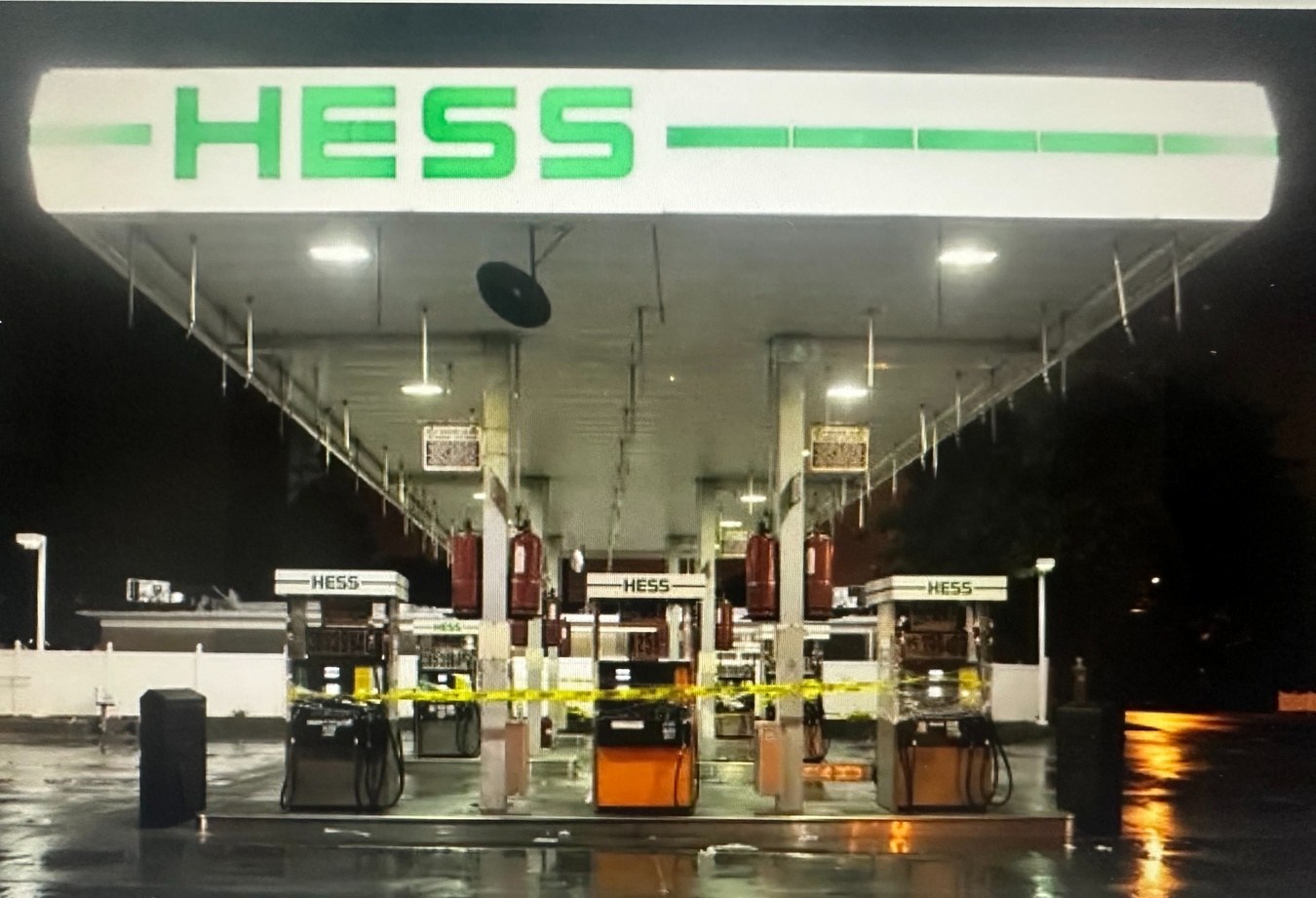
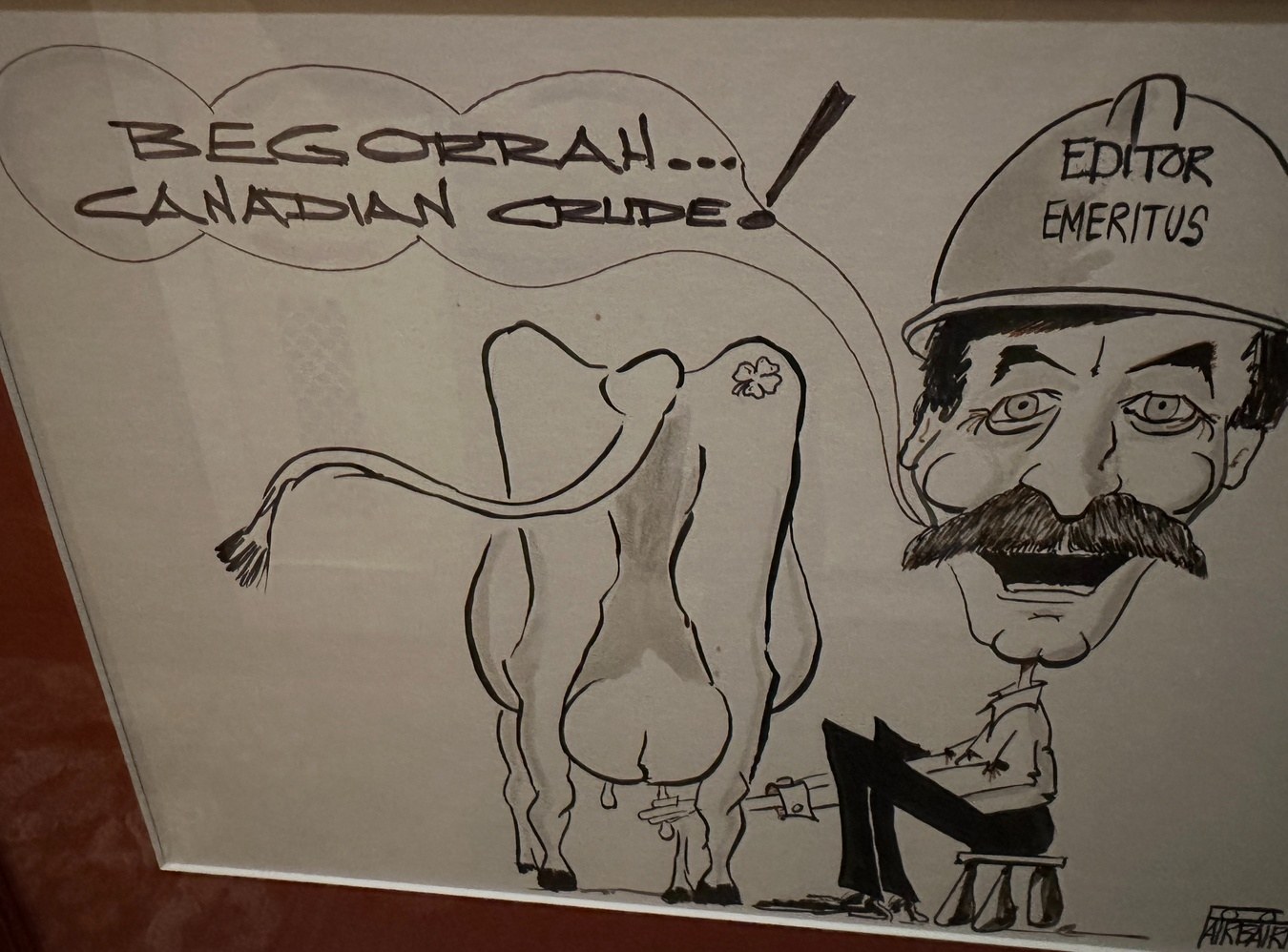
I joined Hess (or Amerada Hess as the company was called) in Midtown Manhattan in October 2001 as head of Global E&P. How good it was to change employers without having to move house.
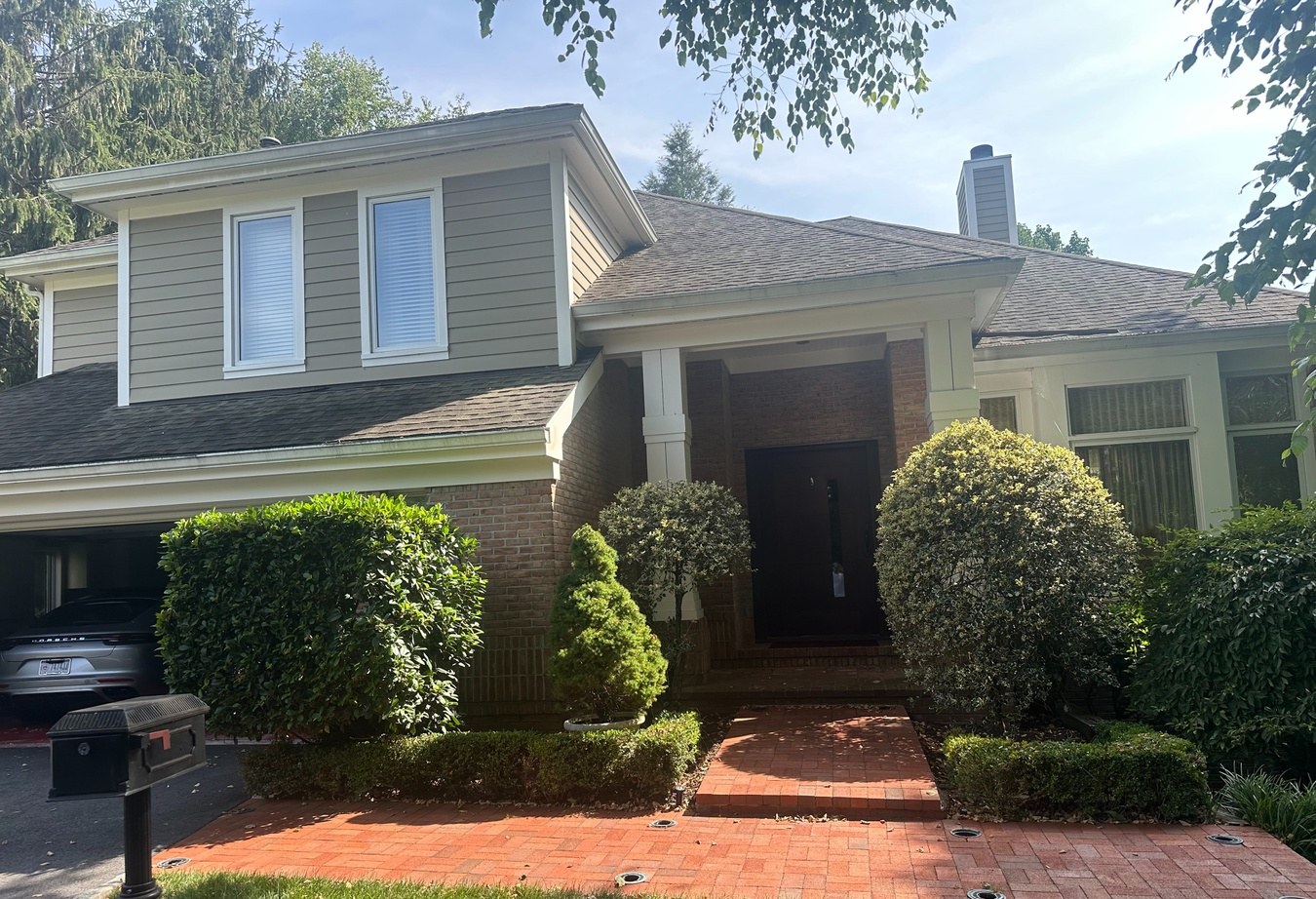
I had a manageable commute on the New Haven railroad into Grand Central Station in NYC and across to the office at 47th and Sixth Avenue. My first day in the office brought home to me the eccentric nature of this new company. I found the office beside mine was empty but had a desk laid out with everything the occupant would need. Apparently, the office had been Leon Hess’s, who had died two years earlier, and it remained like that for a further six months after I arrived.
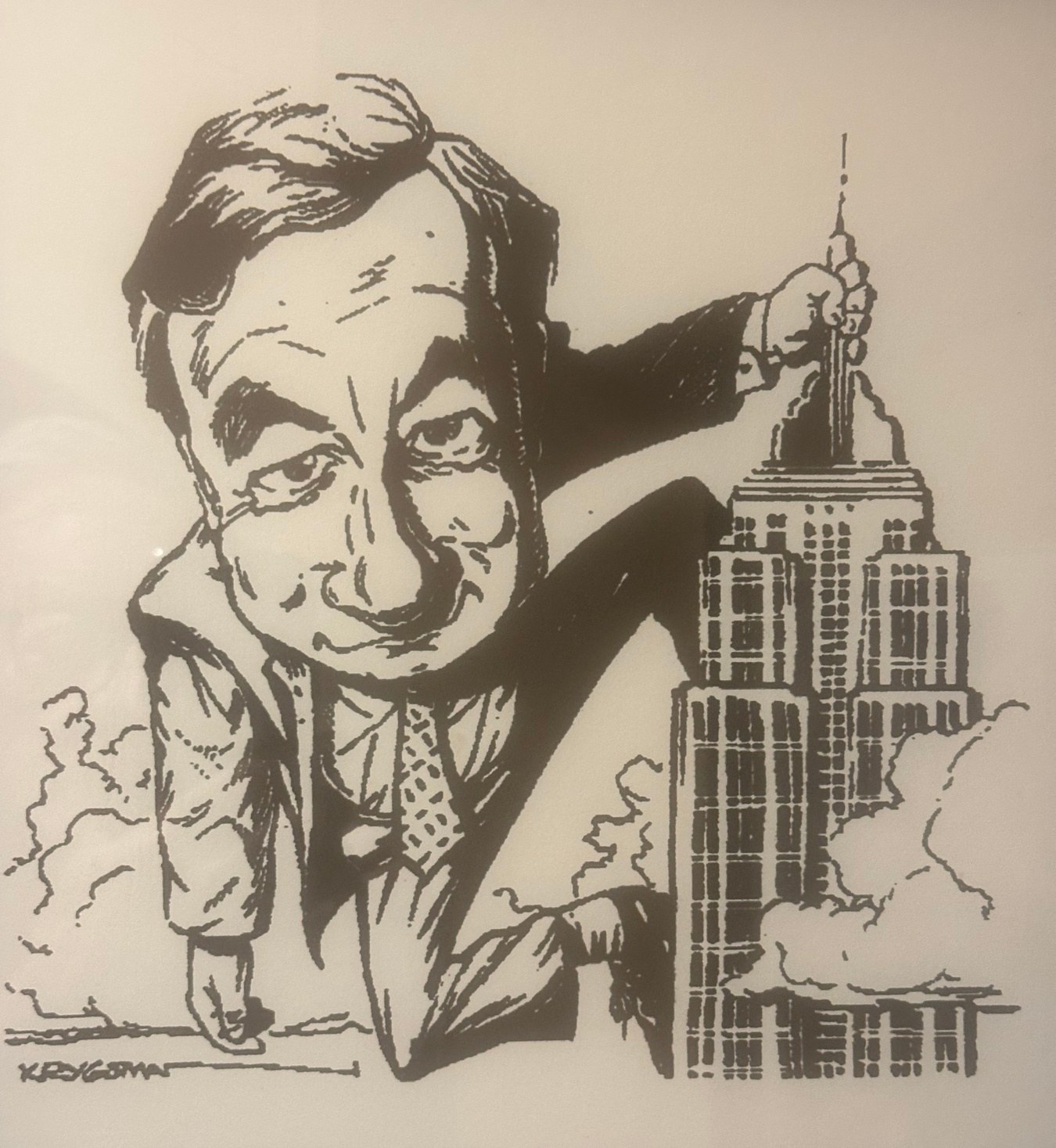
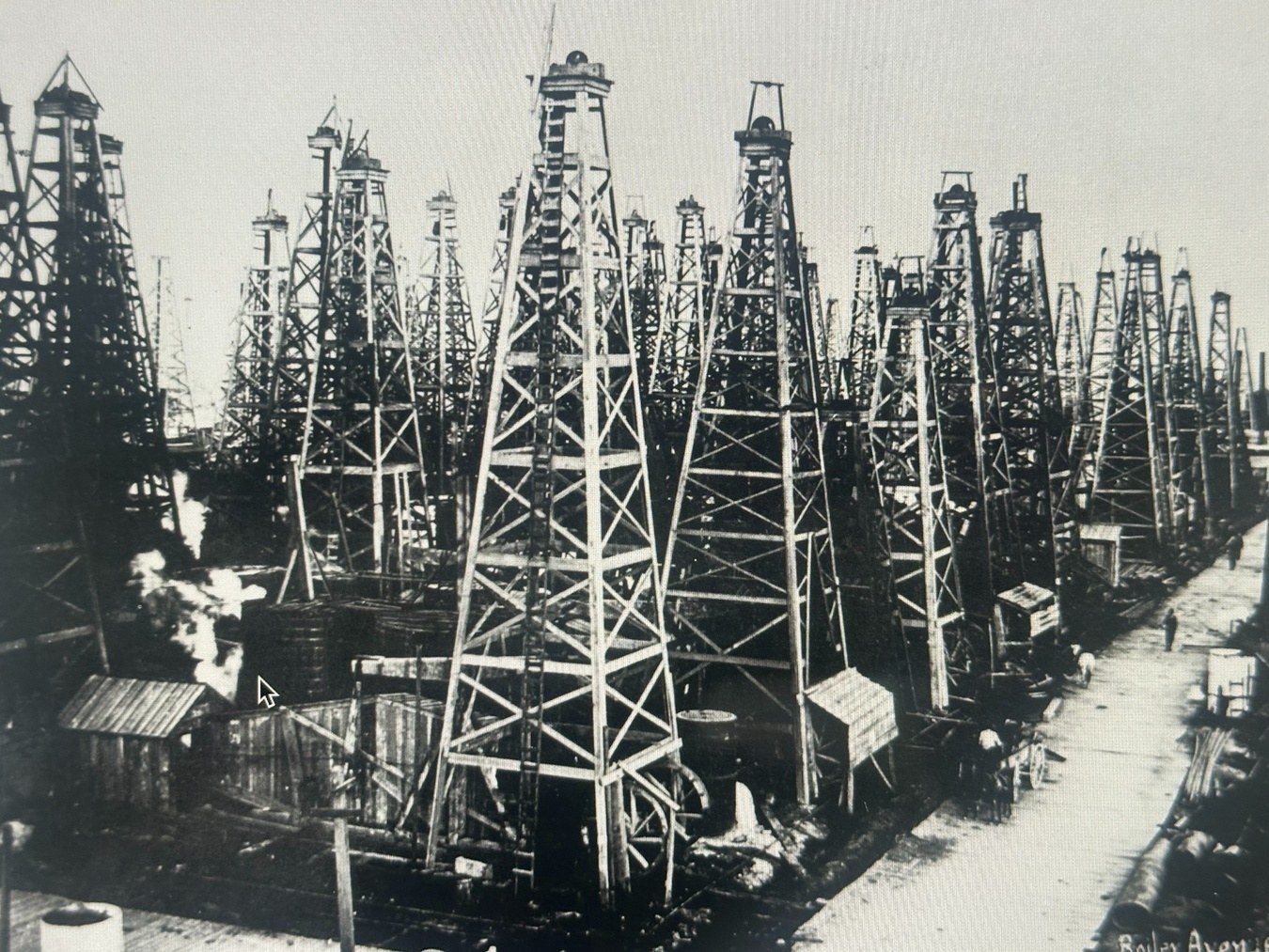
Leon Hess, father of John, had founded the company in 1933 using one small second-hand truck to sell heating oil to New Jersey hotels and houses. The company grew and thrived, based essentially on selling oil products, so it was “downstream” oriented.
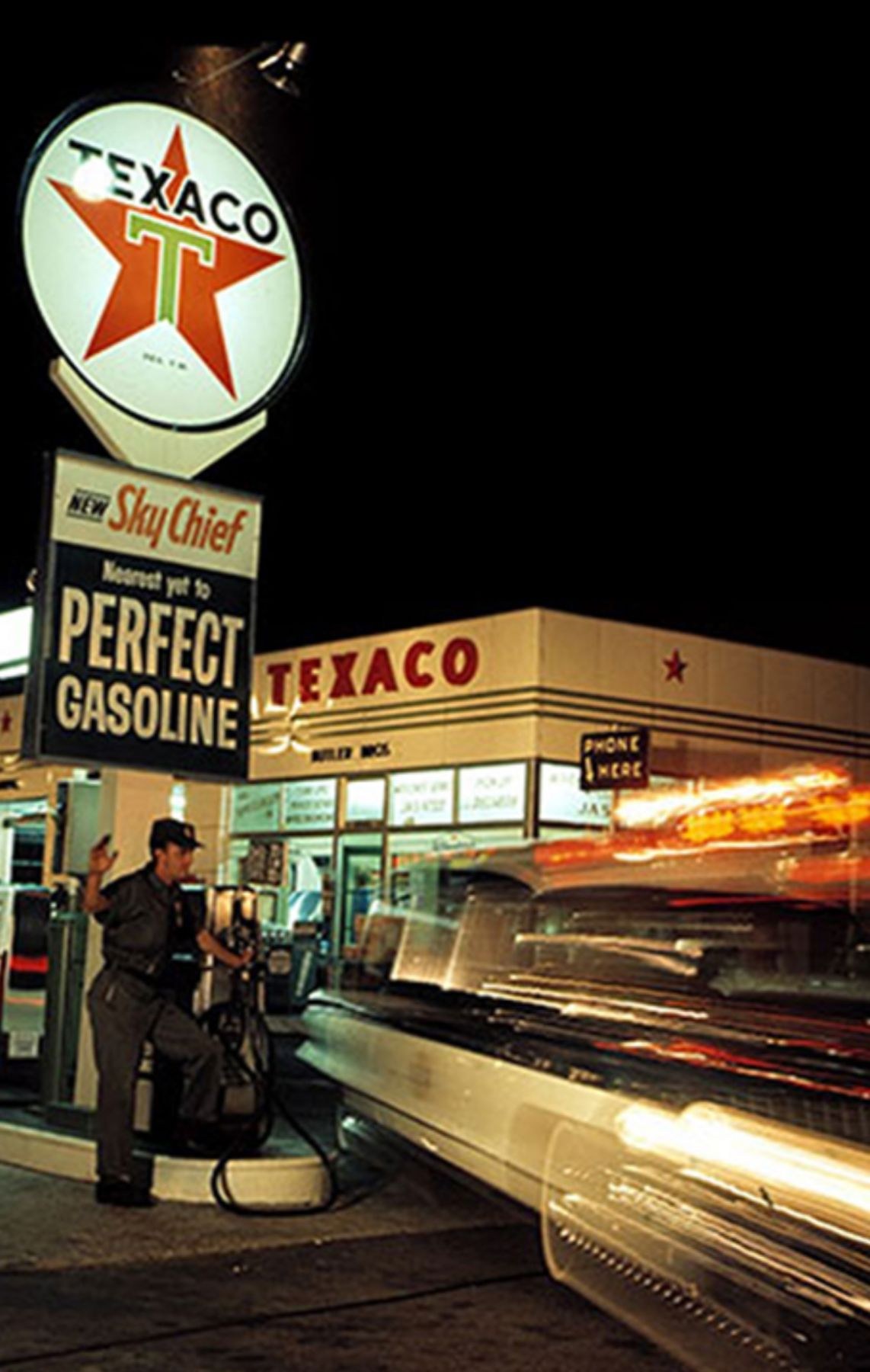
Ultimately it owned gas stations in 19 East Coast states, had a refinery in the US Virgin Islands, and then in 1969, Hess acquired Amerada Petroleum Corporation, a large producer of crude oil in the US. This oil production side had expanded outside the US primarily in the UK North Sea, though there were some small undeveloped assets in Southeast Asia.
With all of his canny acquisitions leading to a multi-billion dollar corporate entity, Leon was justly a legend in US business circles. A self-made billionaire.
He had sold the company on the stock market but had kept enough shares so that it functioned as a “family” concern. He had founded the New York Jets football team in the NFL and gave his name to a number of medical institutions around New York.
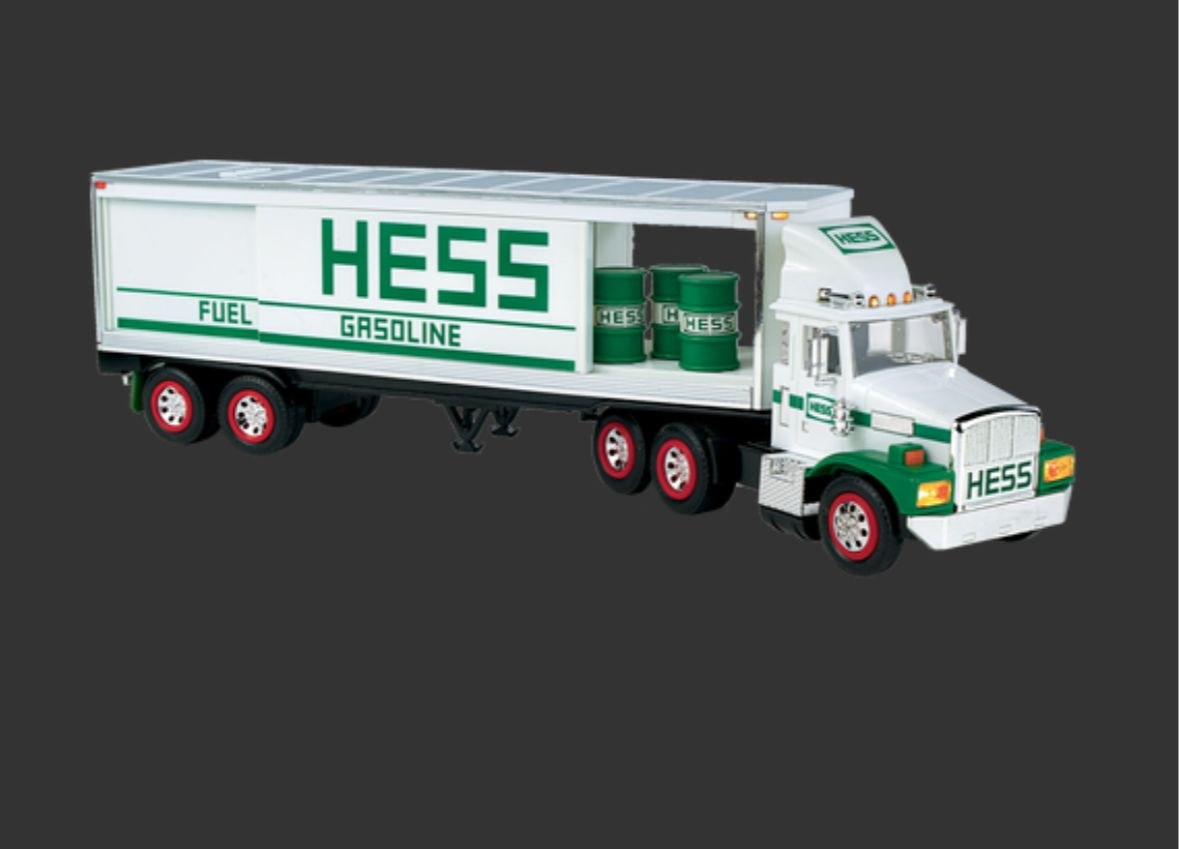
He also introduced the high-quality Hess Toy Truck sold each Christmas time. These annual editions have been collectors’ items since 1964.
Unfortunately his abilities did not pass on to the next generation and this, together with his emphasis on less profitable marketing rather than the upstream (oil and gas exploration and production), had meant that the company was viewed skeptically by Wall Street and, as a result, its share price languished for years, around $14 per share, or a market value of $10.9 billion.
Son John, or JBH as we called him, of course wanted to put his own seal on the company and in 2000, a year after Leon’s death, made a bid for Lasmo, a British oil company.
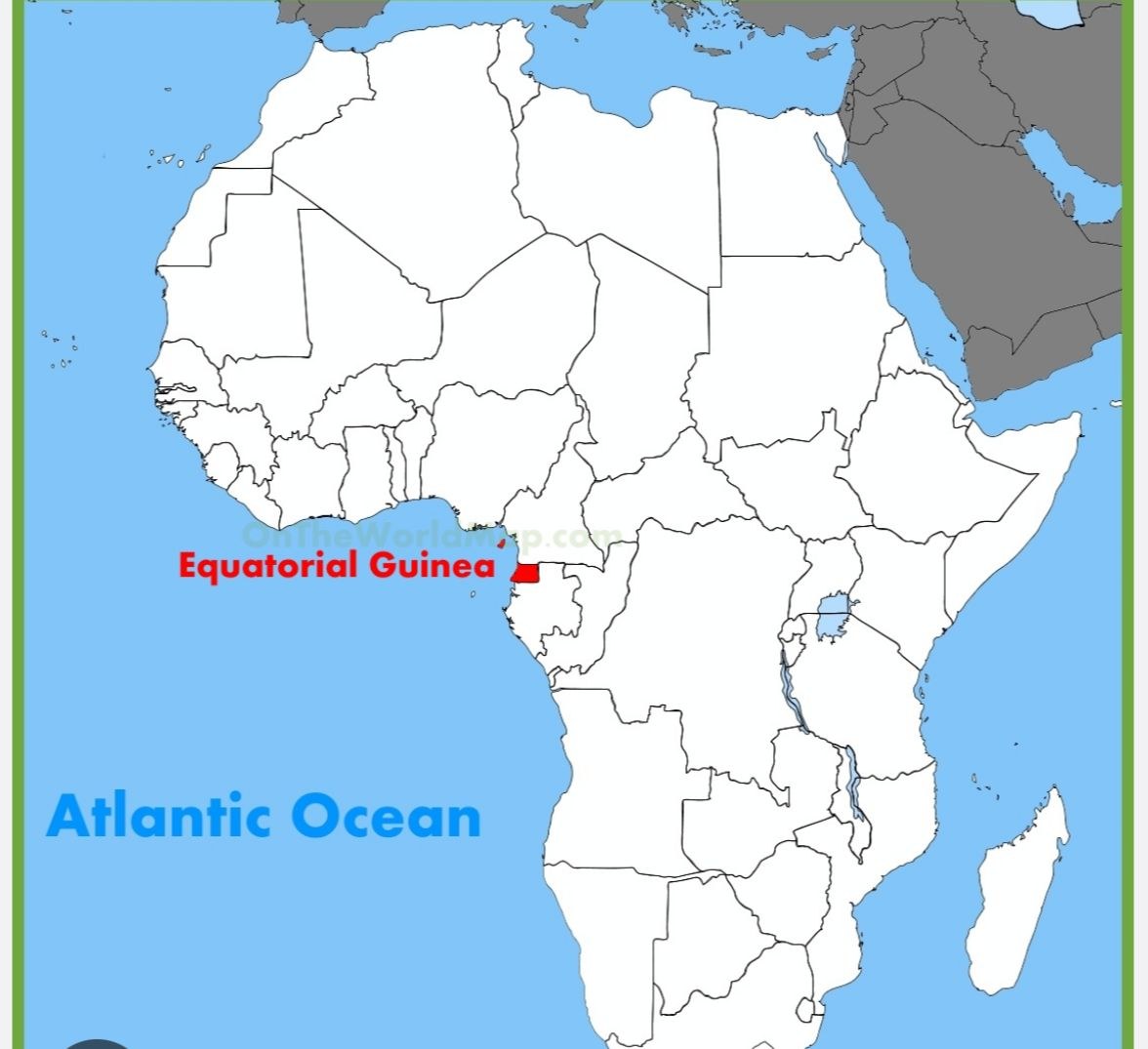
He was outbid by ENI, an Italian company. In July 2001, however, Hess successfully bid some $3.2 billion for Triton Energy, a small Dallas-based vehicle with two assets, one in Colombia, but more importantly, a position in Equatorial Guinea. The price paid was 51% above where Triton had been valued the day before the bid and was a danger signal. This was what I inherited three months later.
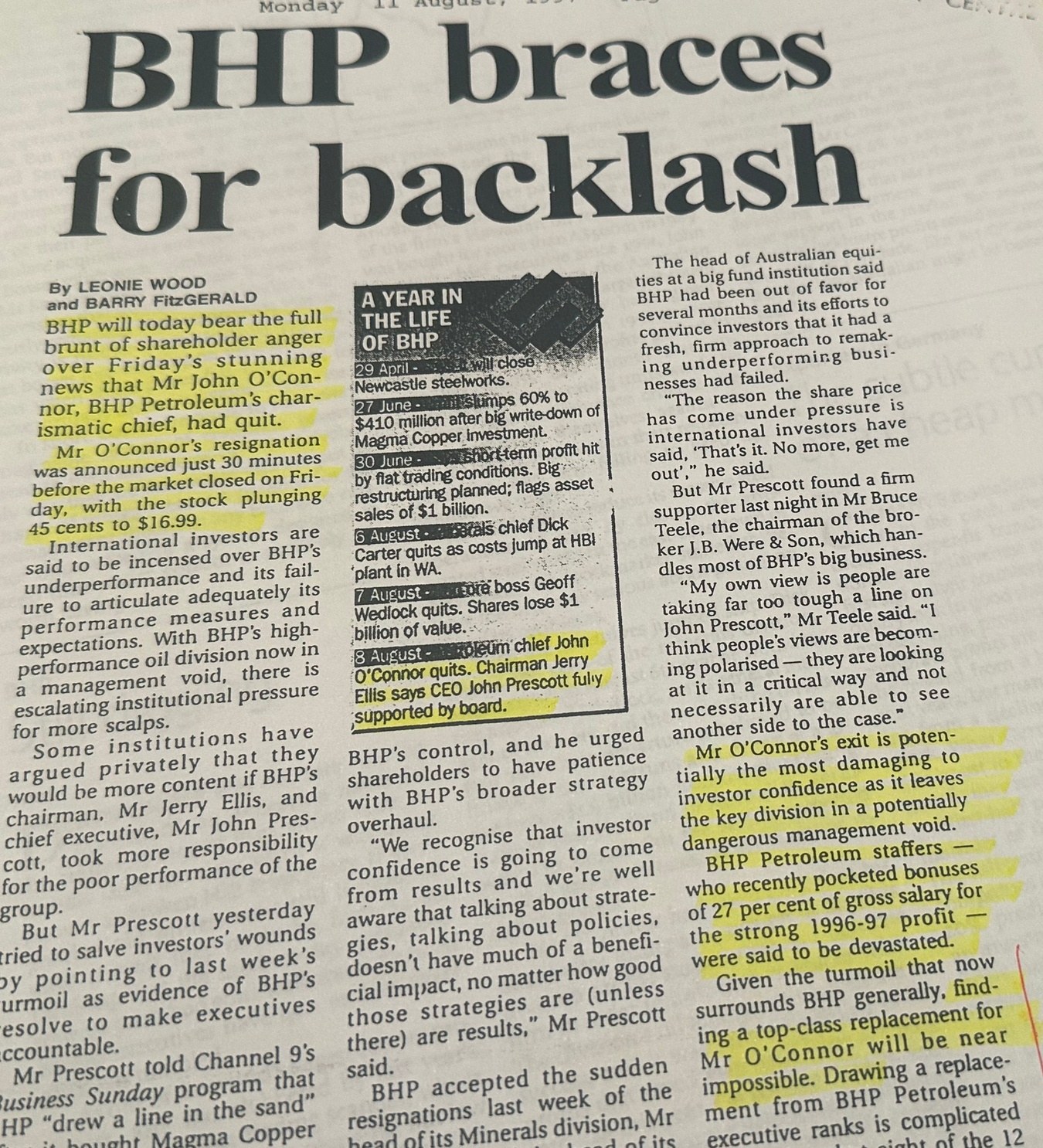
Rather than go through the story of the terrible burden that the Equatorial Guinea (EG) business posed, I’ll just say that its woeful underperformance versus what Hess had promised the stock market went close to sinking the whole company. The Triton staff, who were ex-BP Brits, were scathing about working for Hess, and I had to fire most of them. We scraped along for a miserable year during which the Wall Street analysts hounded us and the company came close to bankruptcy several times.
During this time I recruited a couple of skilled engineers from my past to join me to help out. With their help we stabilized production, found another oilfield in EG, contracted for new production facilities from South Korea and made the EG fields profitable. Phew!
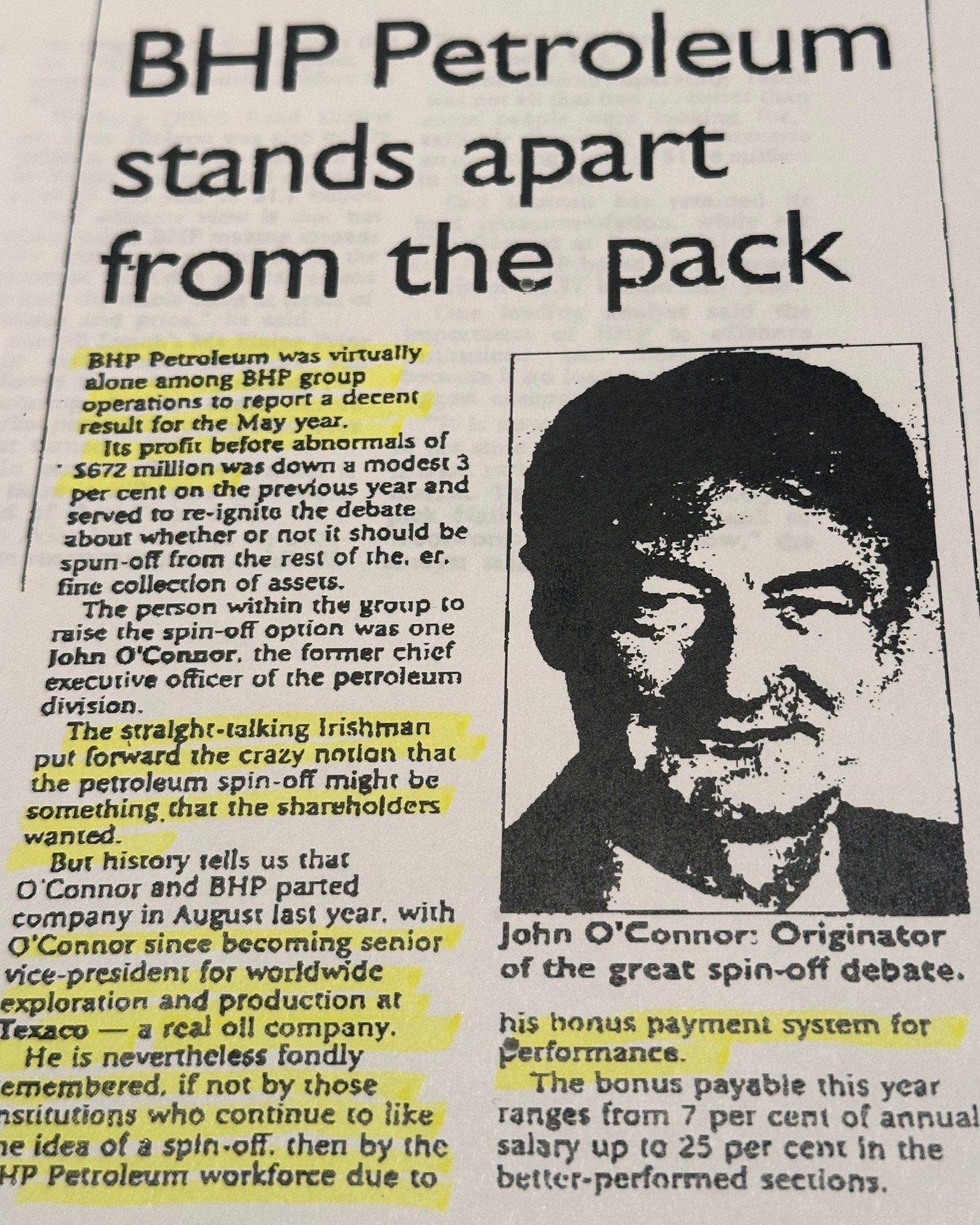
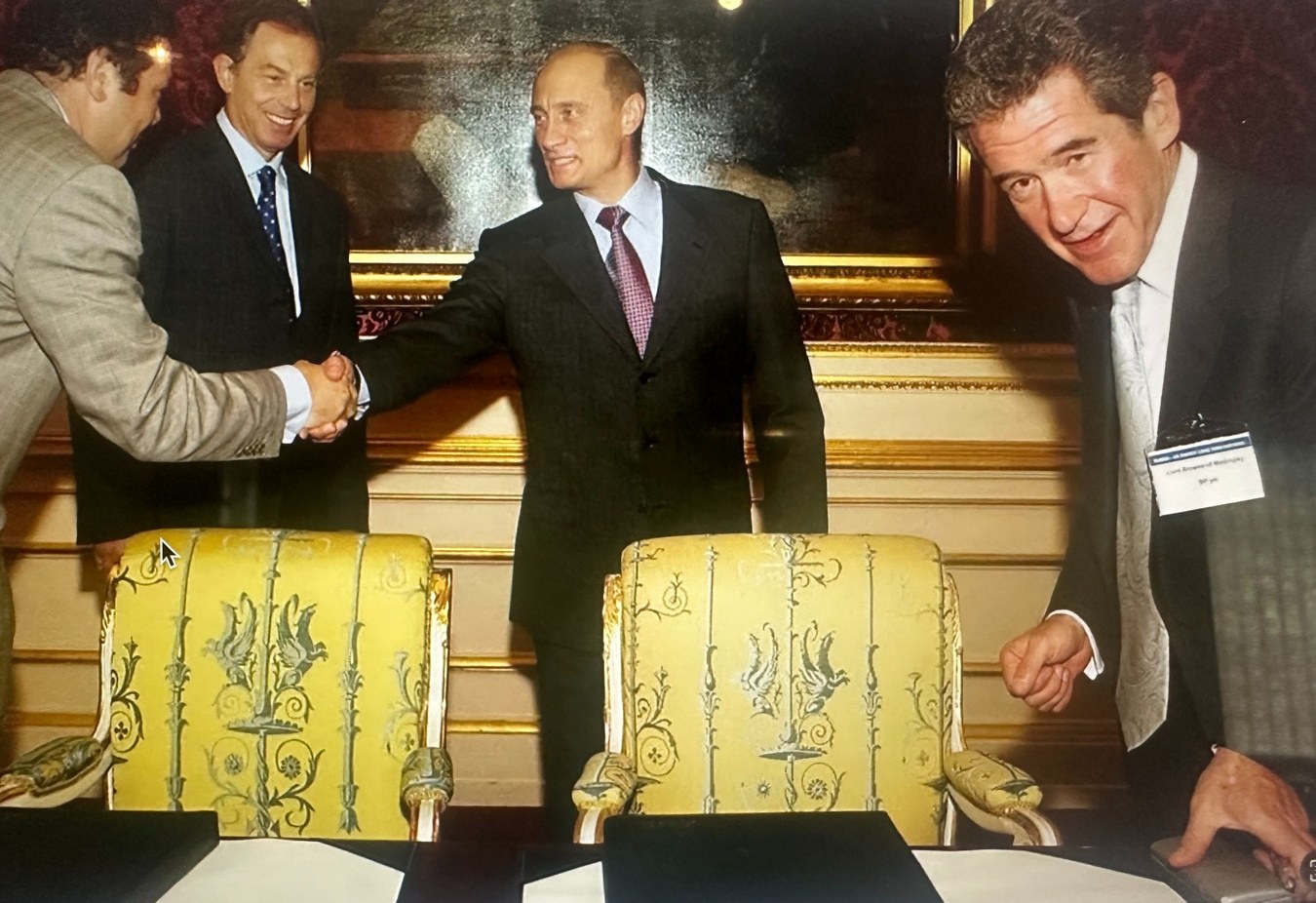
Another asset that came with Triton Energy was a 10% interest in a big BP-operated oilfield in Colombia, South America. I decided to ask BP to swap our equity in this asset for their interest in a large gas field in Malaysia. I went to London, met with John Browne and completed the swap. This turned out to be a very profitable transaction for us.
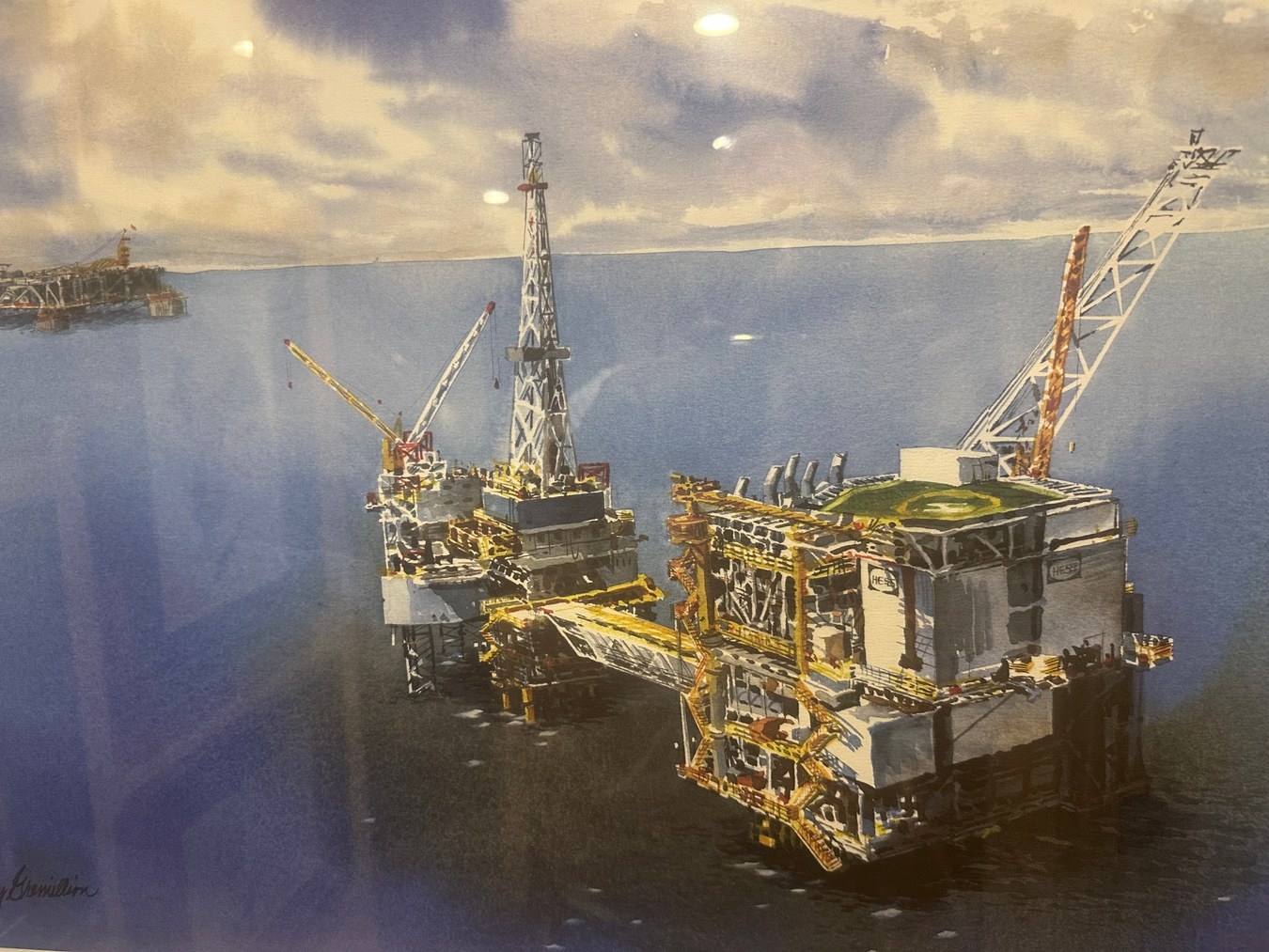
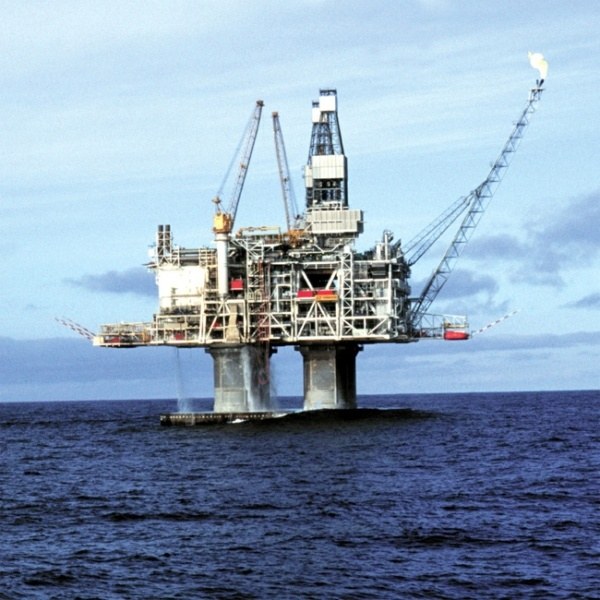
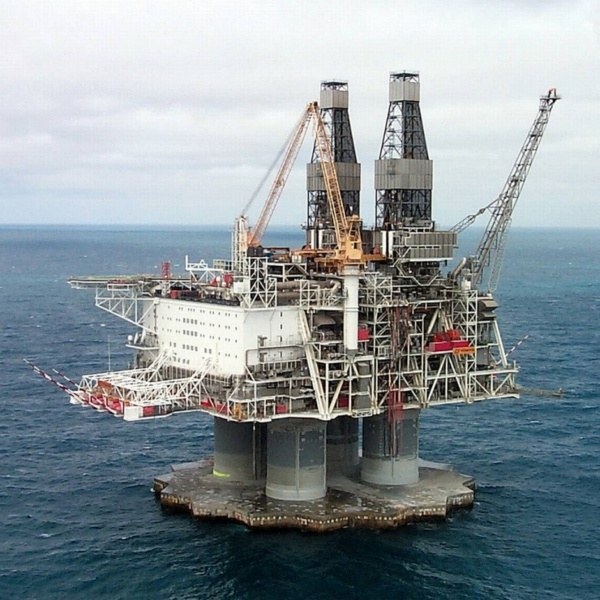
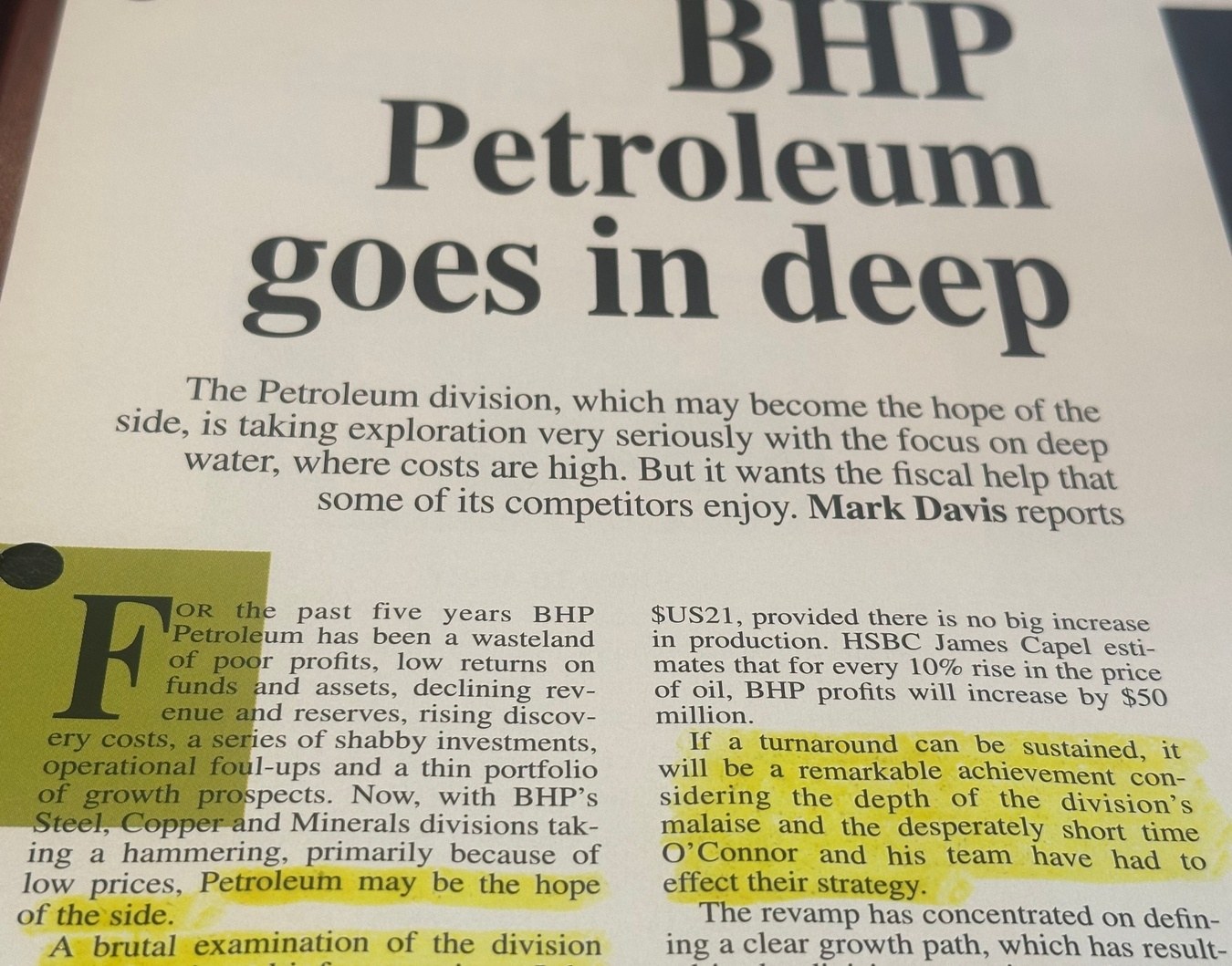
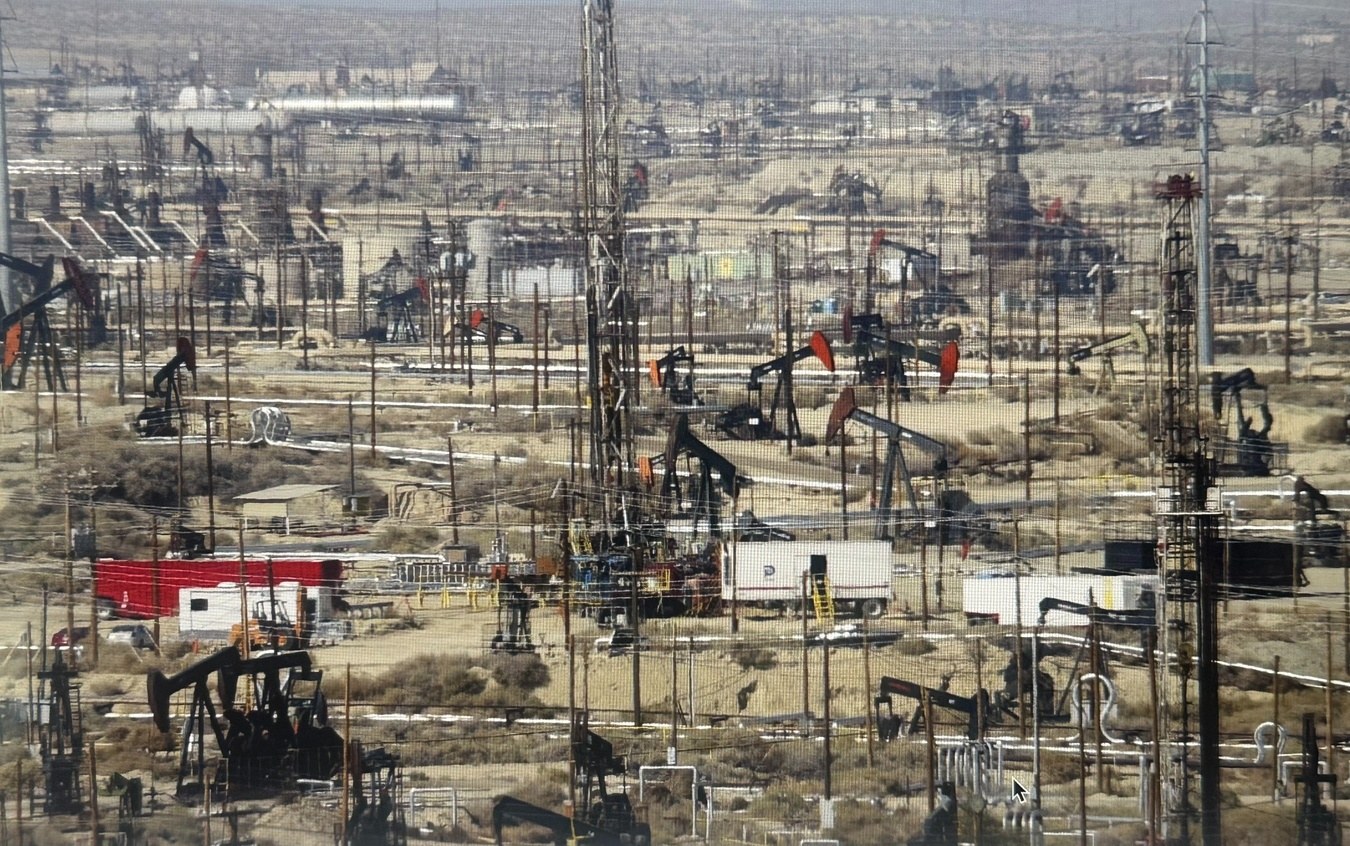
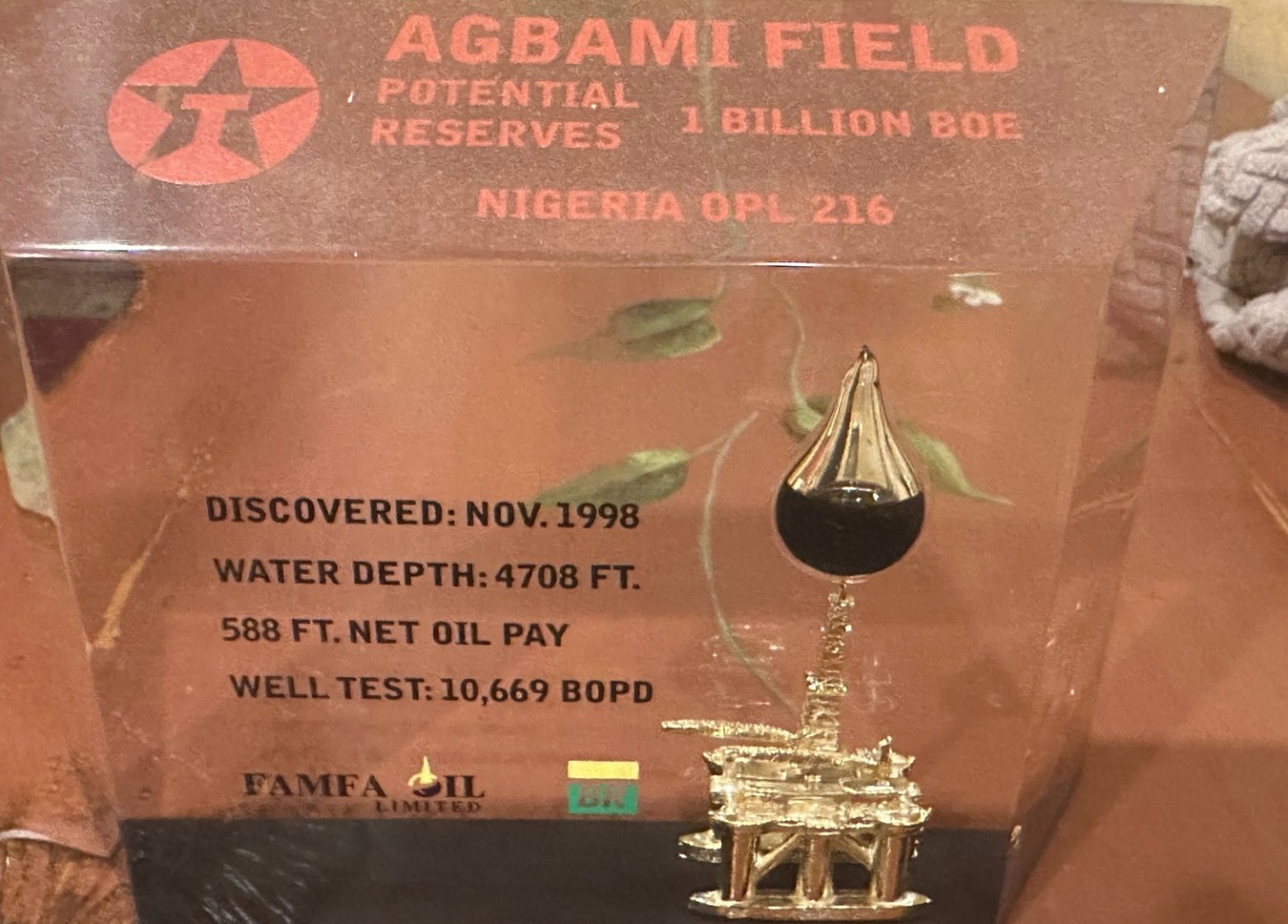
Once EG was no longer a deadweight, we were able to turn our attention to building the company. We built a core position in the deepwater Gulf of Mexico which resulted in a number of significant oil discoveries; developed gas fields in Thailand and Indonesia; added new exploration acreage in offshore Australia and Egypt, and expanded our significant position in the shale gas play in North Dakota. We maintained our production from the UK and Danish sectors of the North Sea. As our reputation improved in the industry, we were able to attract first-class people to join the company.
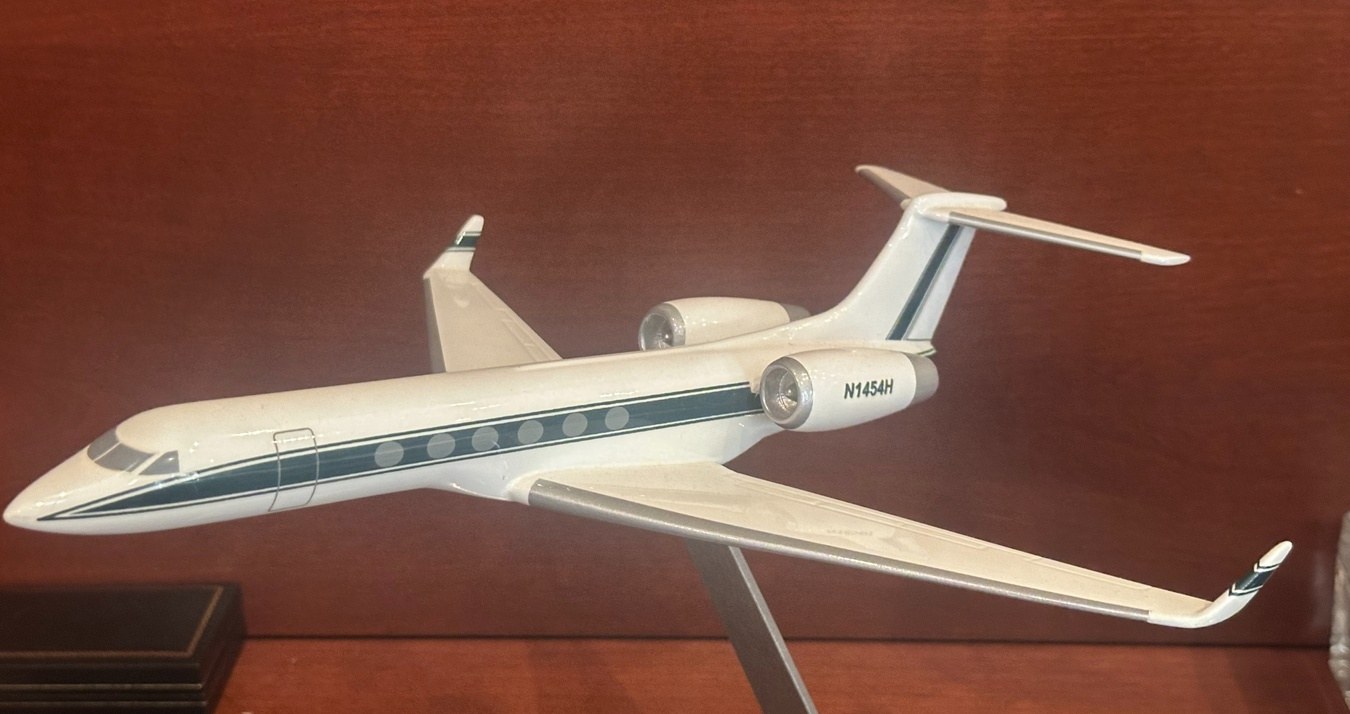
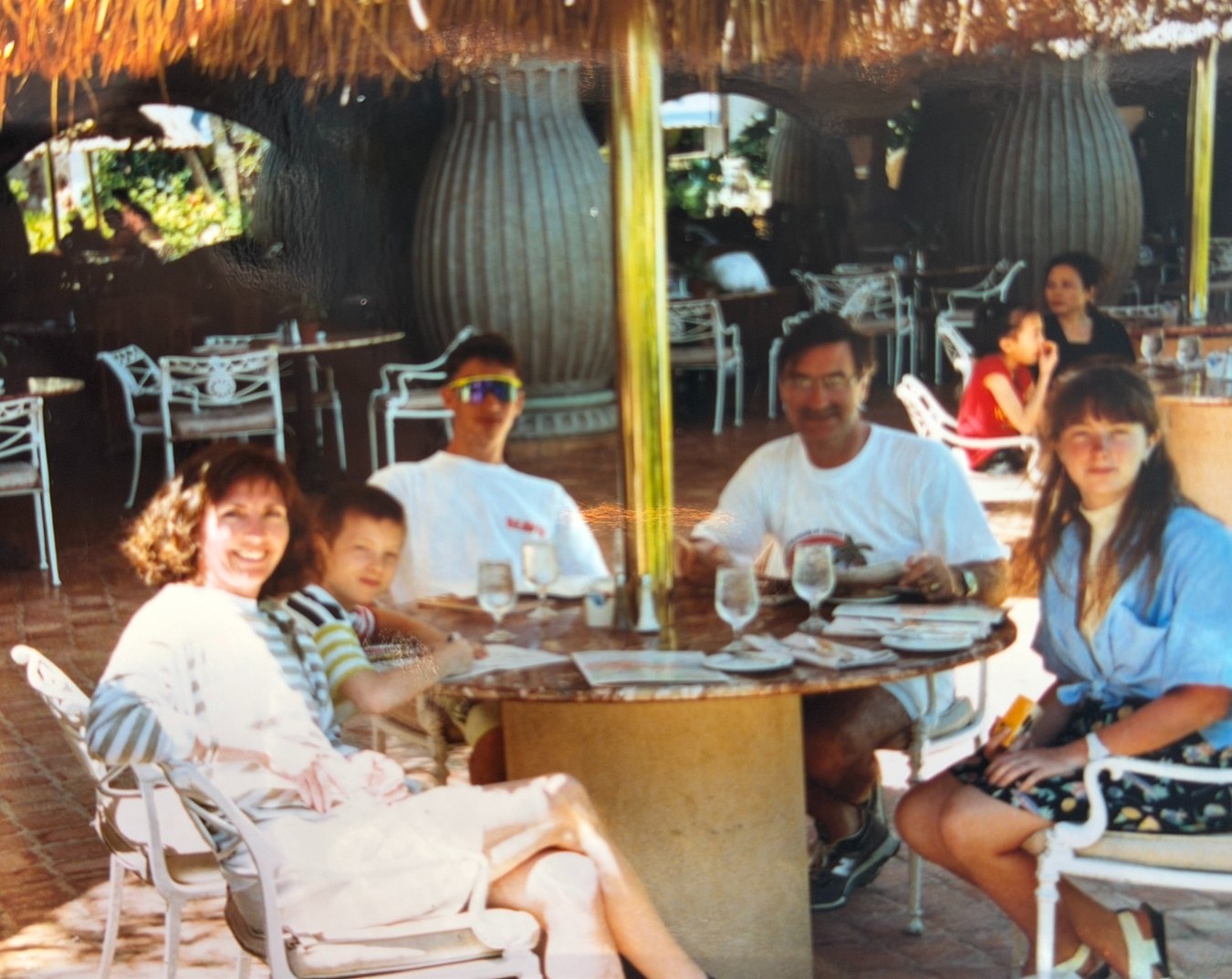
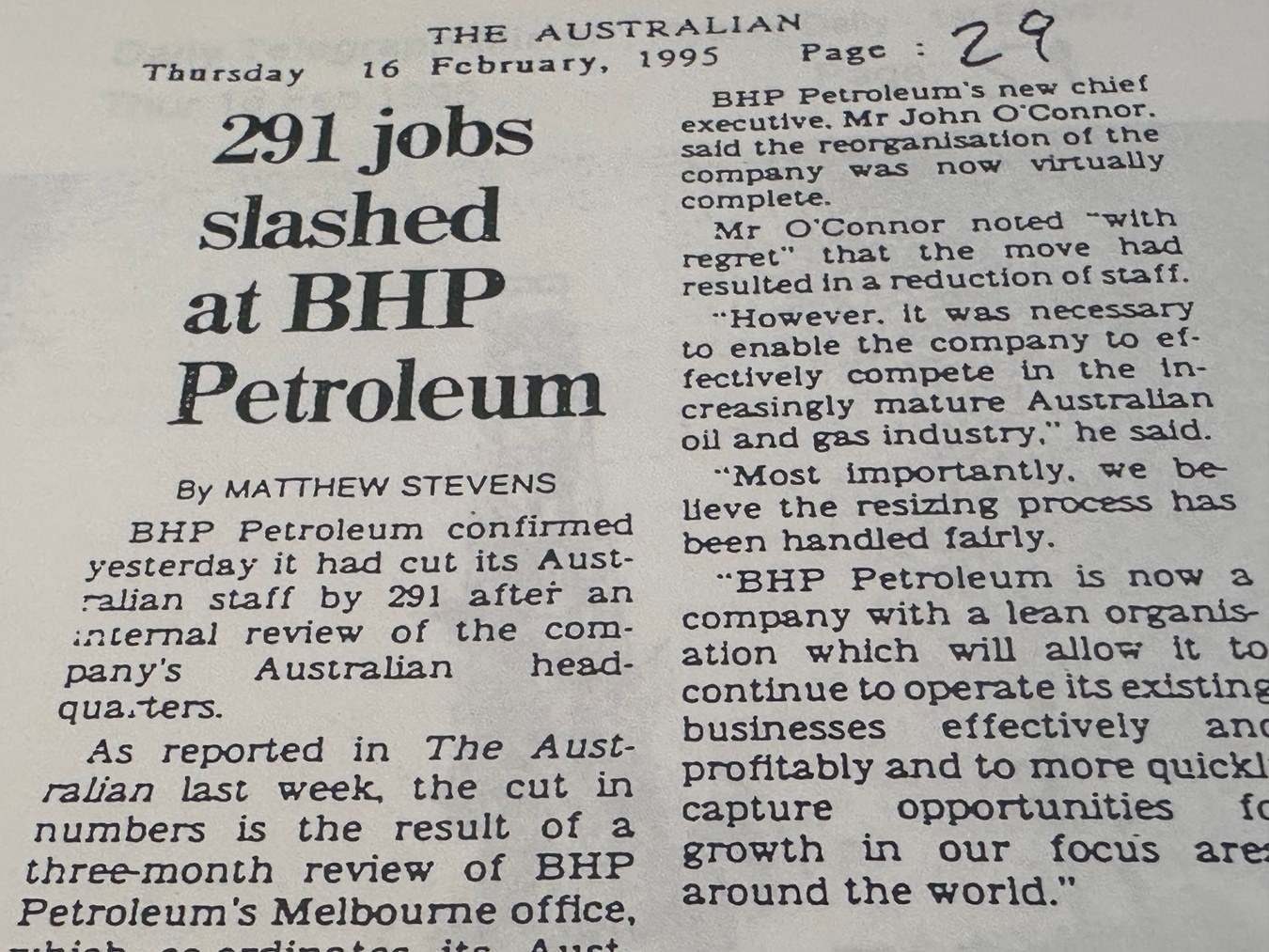
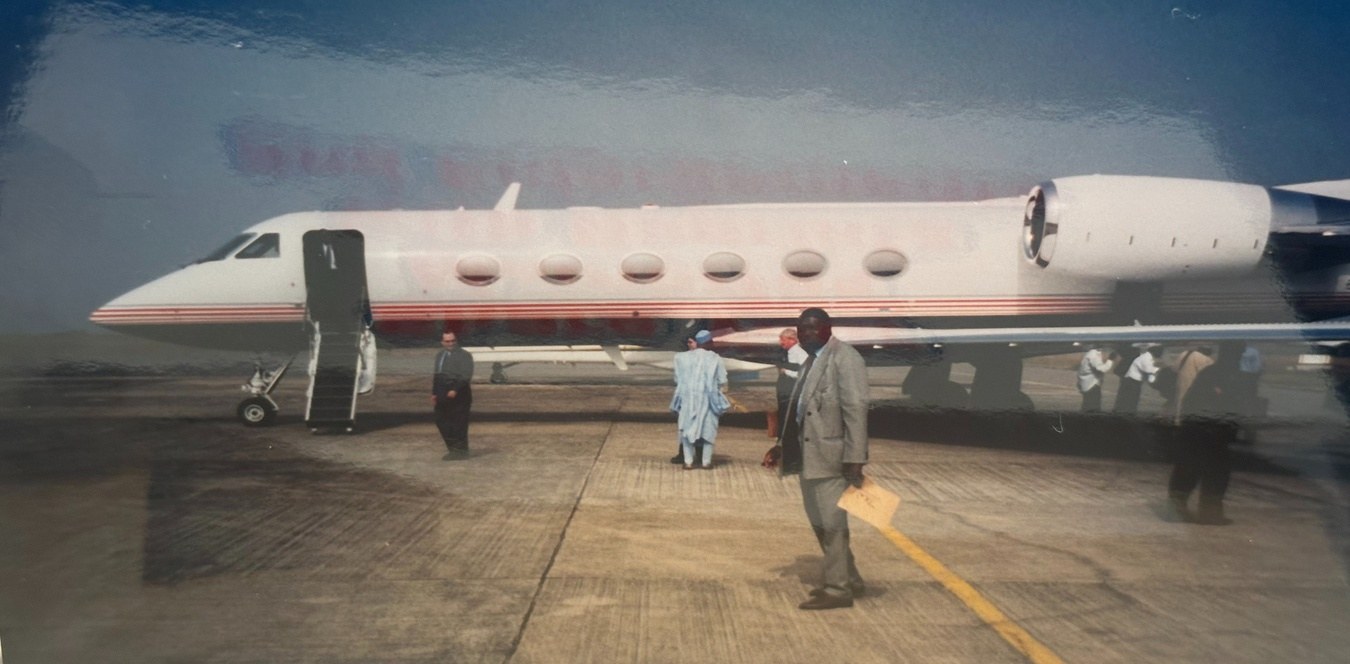
For a number of years while the portfolio of worthwhile assets was being assembled I was busier than a one-armed paper hanger. I was constantly on the go both domestically and internationally. Of course, as a Director, I had to attend the monthly Board meetings. And as all the staff were in Houston I had to go there often. I will admit that the travel was made a lot less burdensome because we had a company executive jet!
One of the more interesting, not to say risky, ventures I got involved in came about when a contact I had made years before in Russia called out of the blue and asked would Hess like to take a share of a Russian oil company he was planning on growing and which needed a capital infusion.
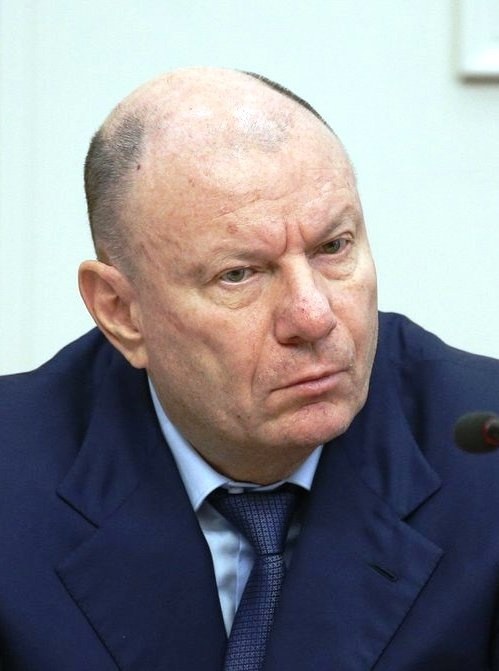
I had met him years before when he was the boss of a big oil company in West Siberia. He was a Russian who had emigrated to the US in the 1970s and had US citizenship. He had been working for Amoco in the US when he decided to go back to Russia. Despite the fact that he had worked for Khodorkovsky, once the richest man in Russia, who ended up in a Siberian jail having challenged Putin, Simon was a survivor and he continued to remain active in the Russian oil scene.
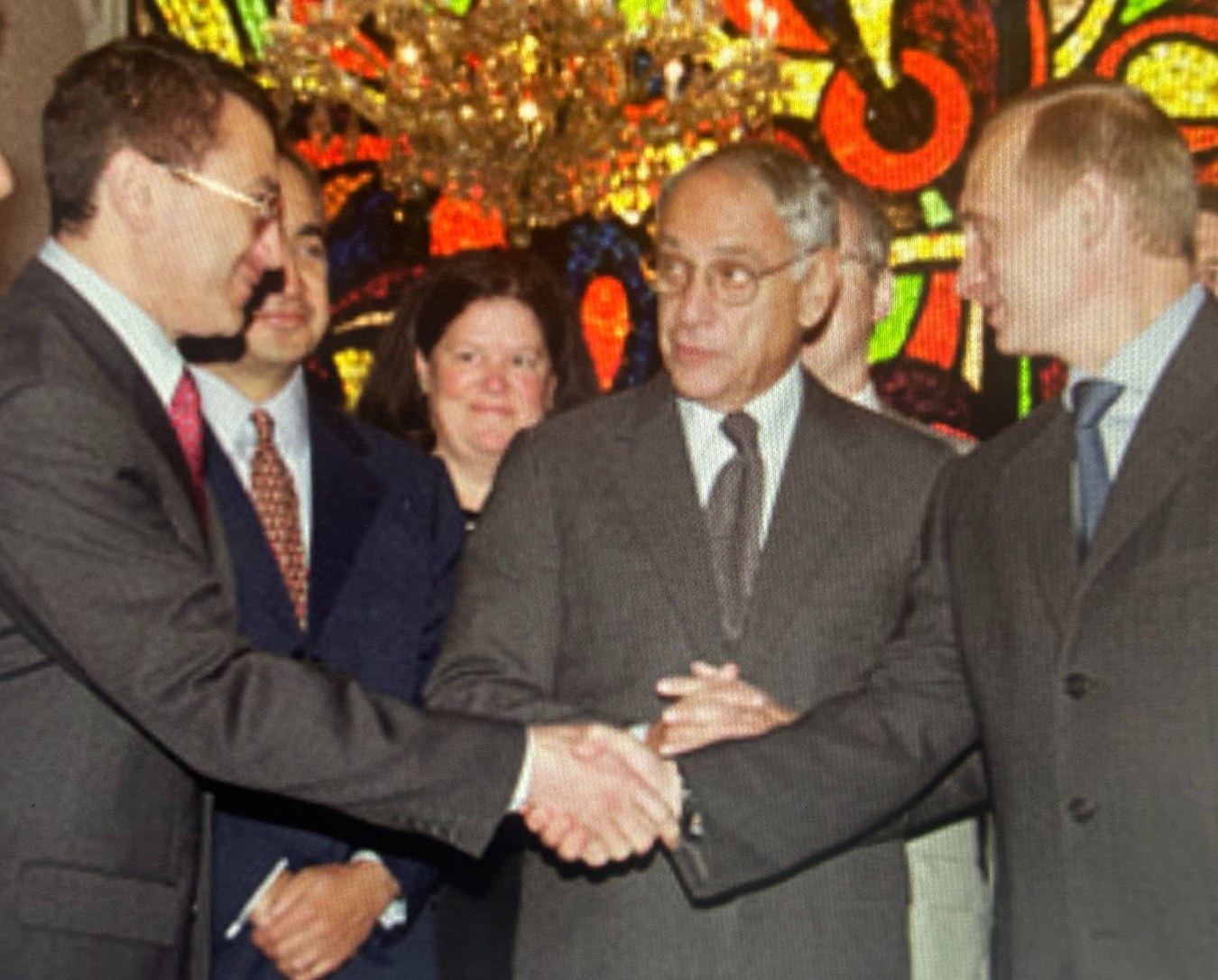
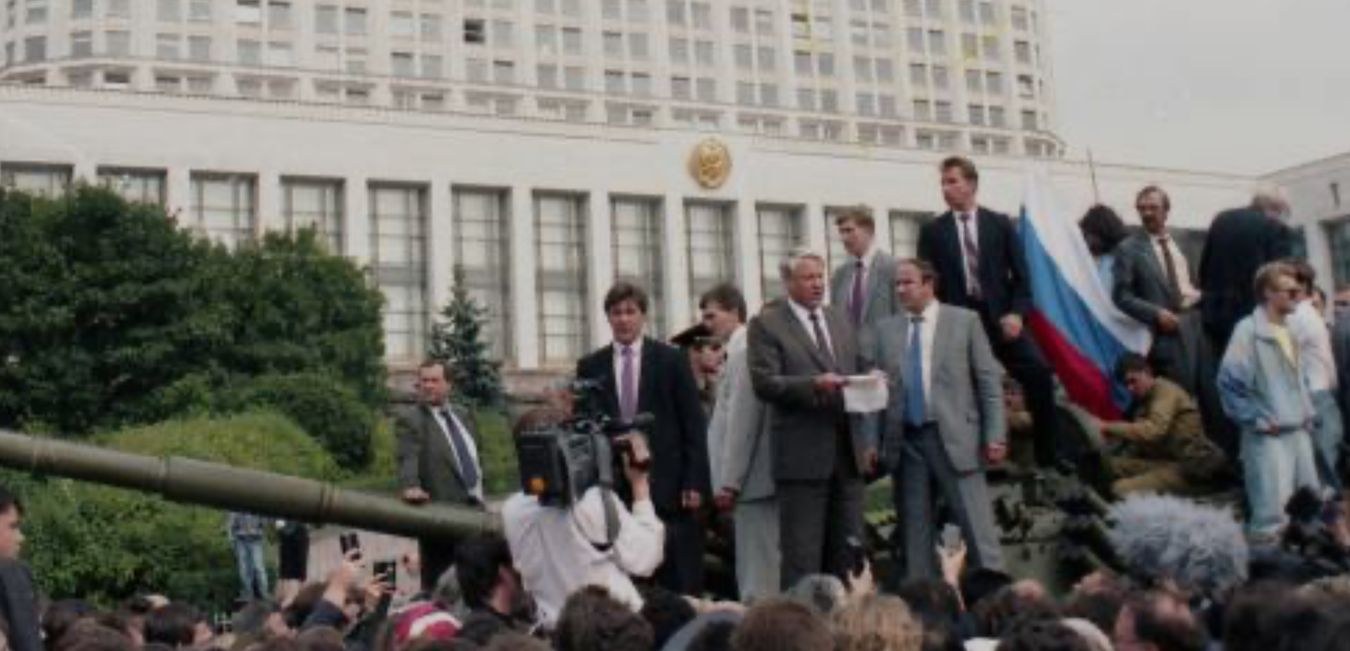
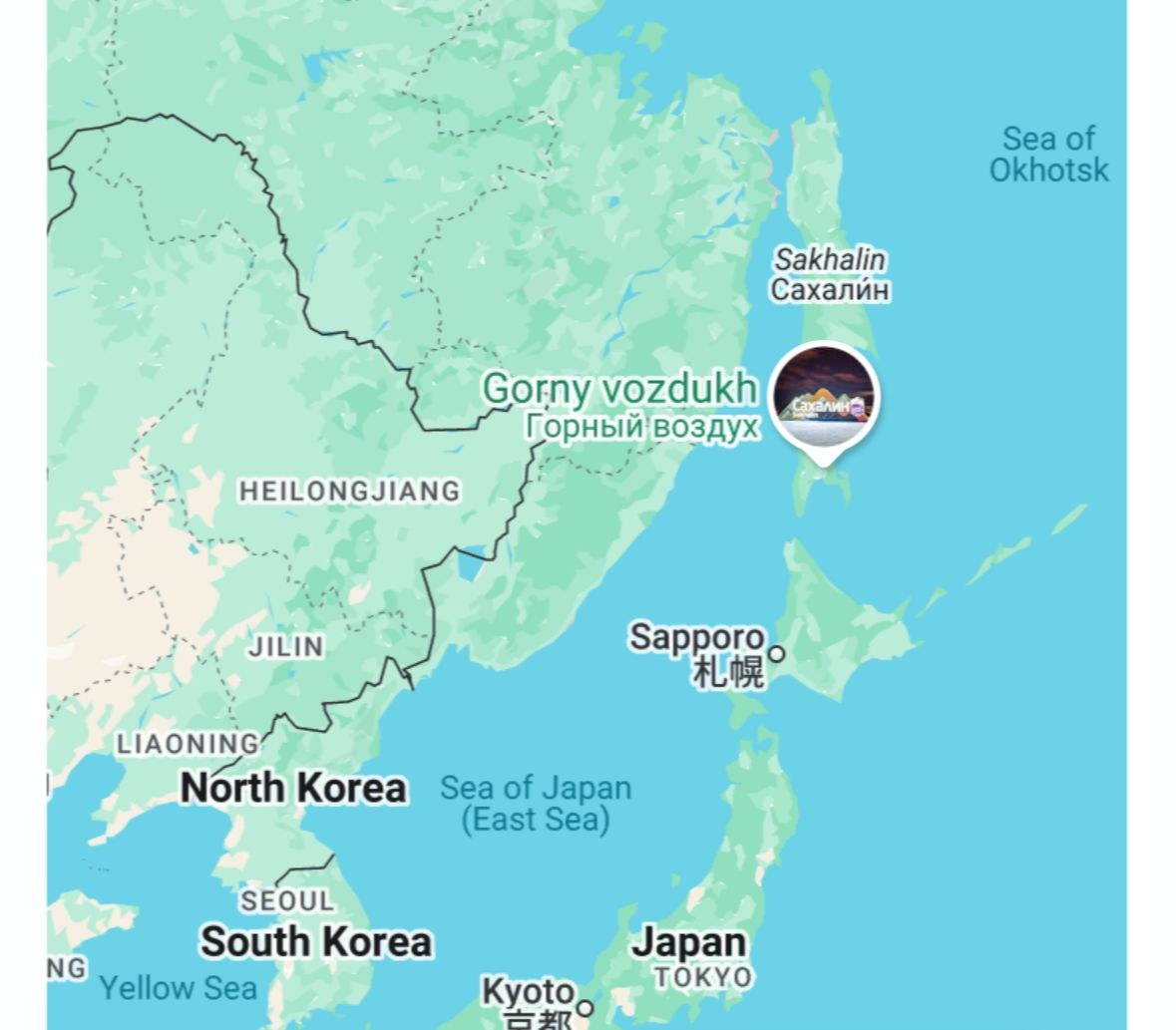
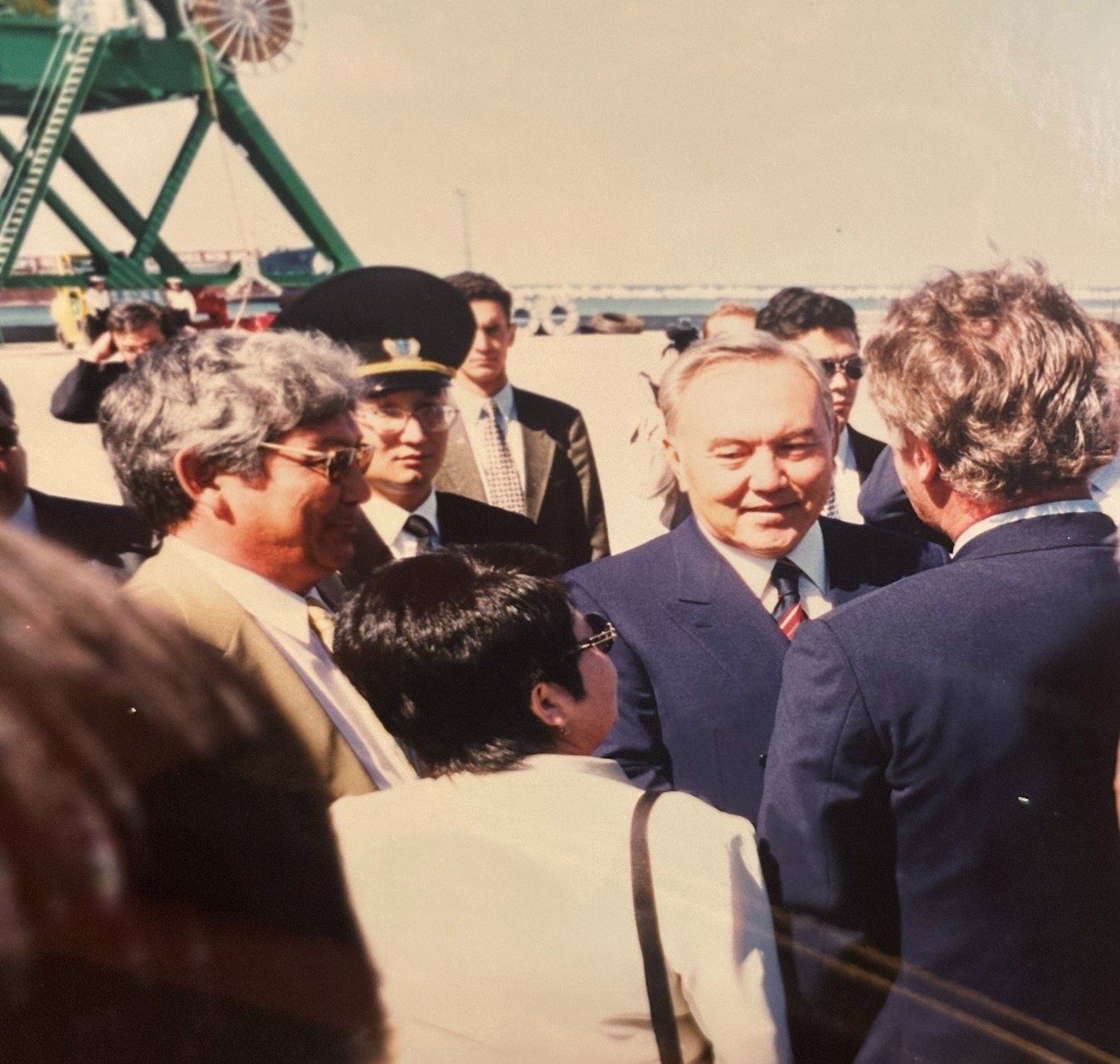
Simon offered us 35% of the company he had formed but we negotiated our position to 75%. And the next few years were primarily occupied with taking care of this enterprise. The business was based in Samara on the Volga, and I spent a lot of time flying there; participating in auctions for new acreage, encouraging the staff to use Western technology, and meeting with local bigwigs. There were also trips to Moscow to meet with people from the Oil & Gas Ministry. Simon remained based in Moscow doing all the glad-handing needed to stay in business.
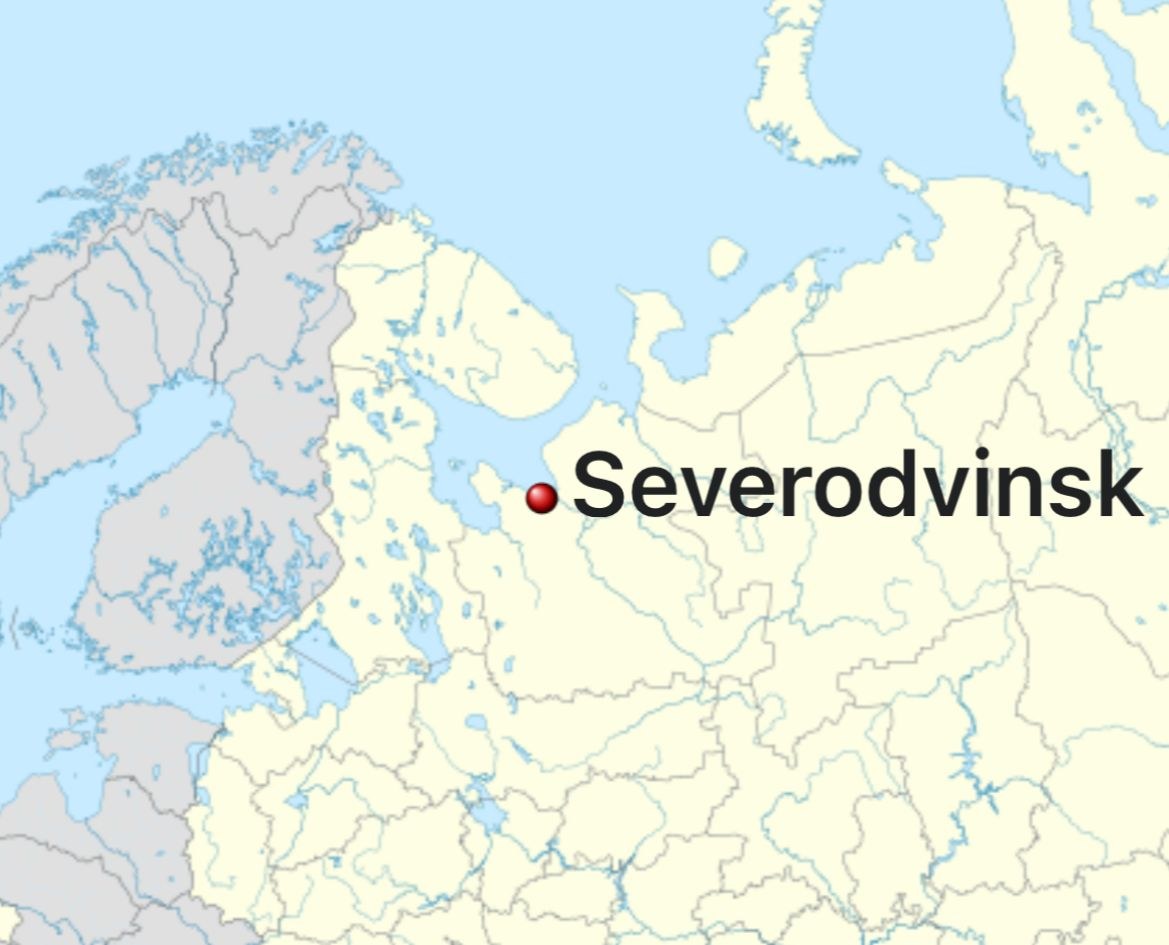
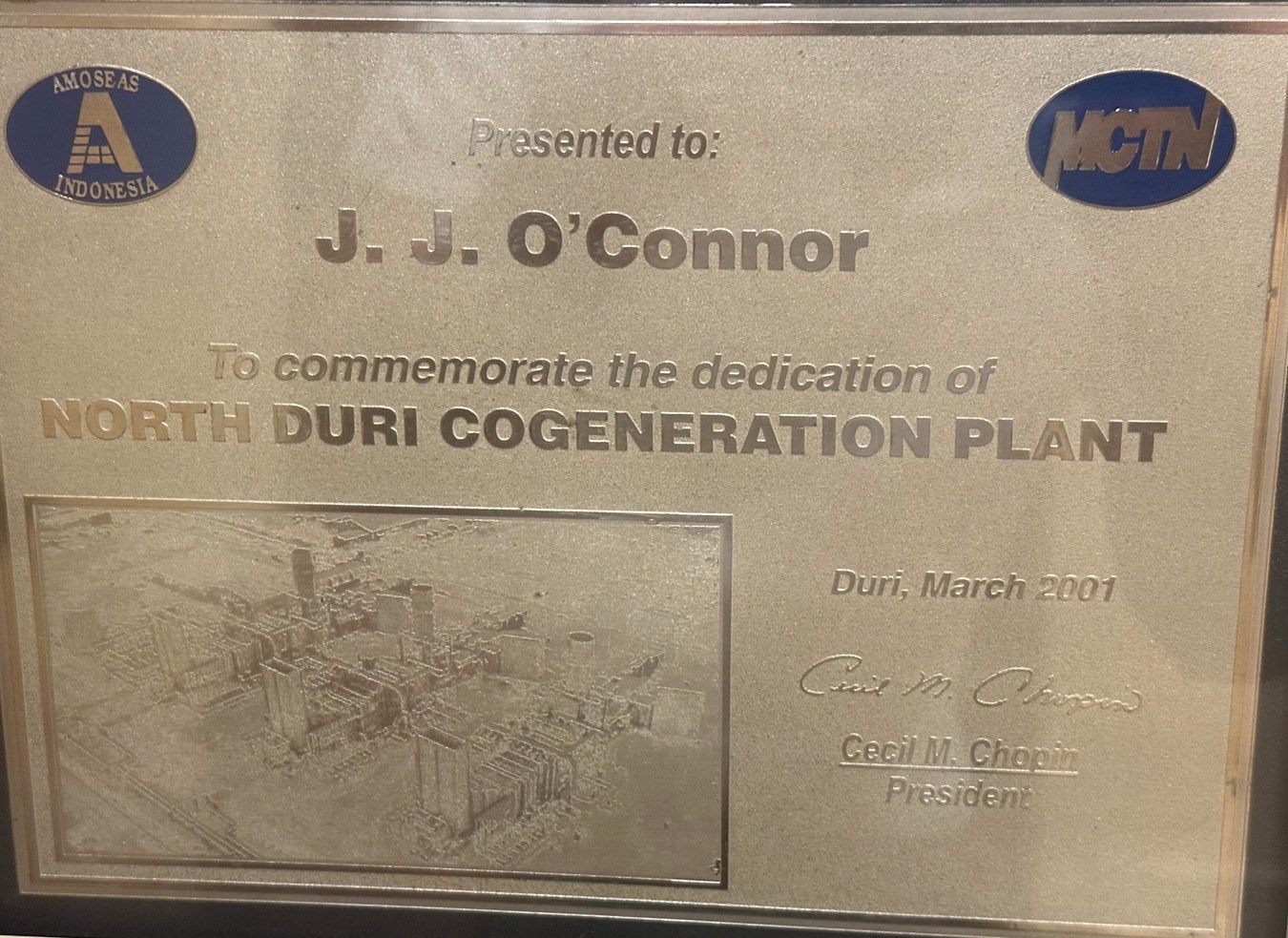
These were dangerous times in Russia, however, and after two of our Samara-based executives were shot dead we decided we needed to exit the country, so we sold the business to Lukoil for $2.2 billion—more than twice what we had spent on it.
Simon now lives in Houston and is still active in business matters. He contacts me from time to time, but I’ve managed to always politely decline his “business opportunities”. He was always good with “gifts” and each time I came back from trips to Samara I came away with sizable quantities of caviar. But this stopped after one trip when the security guards at the Samara airport searched me and confiscated a kilo of caviar. What a shame.
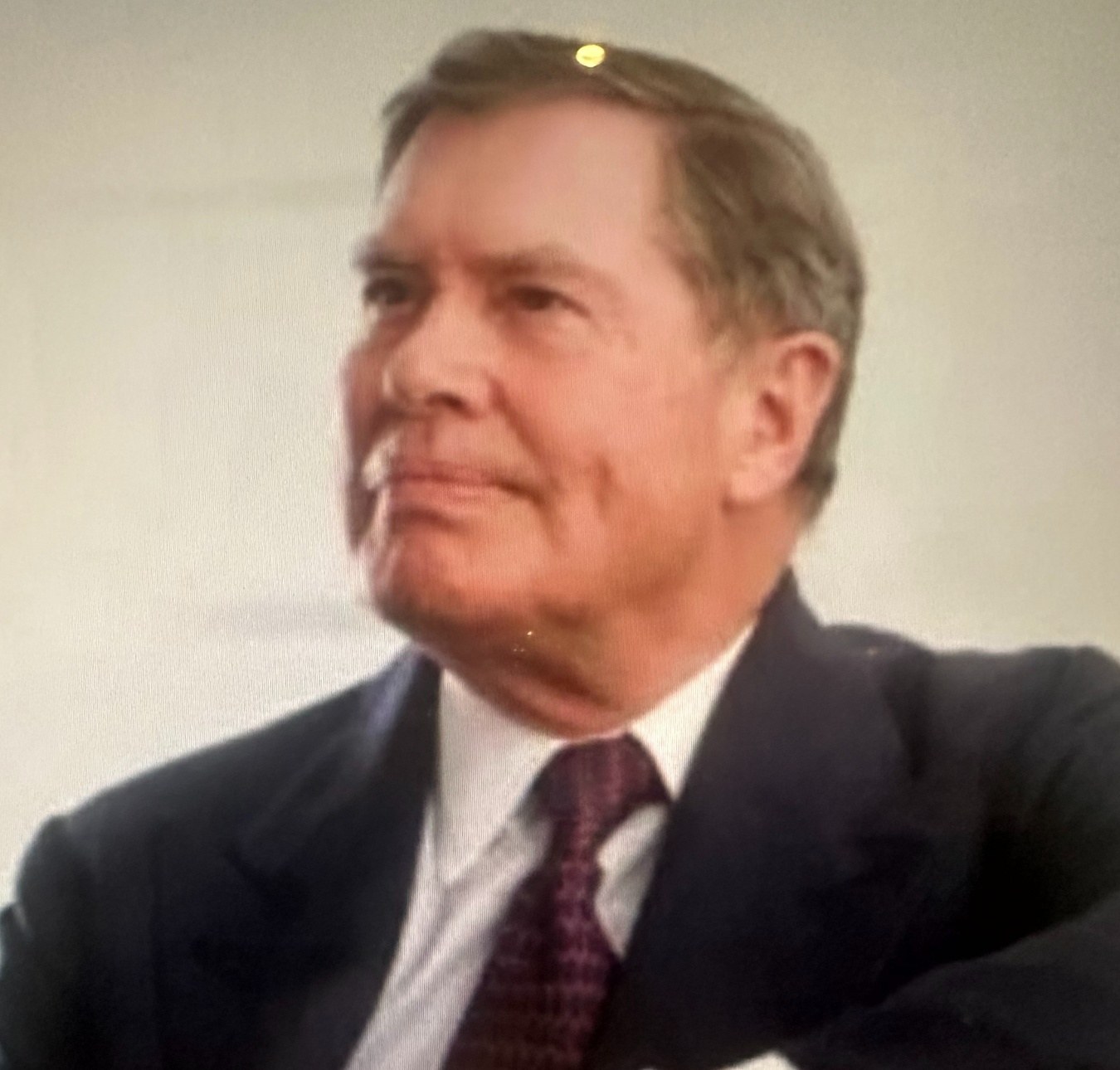
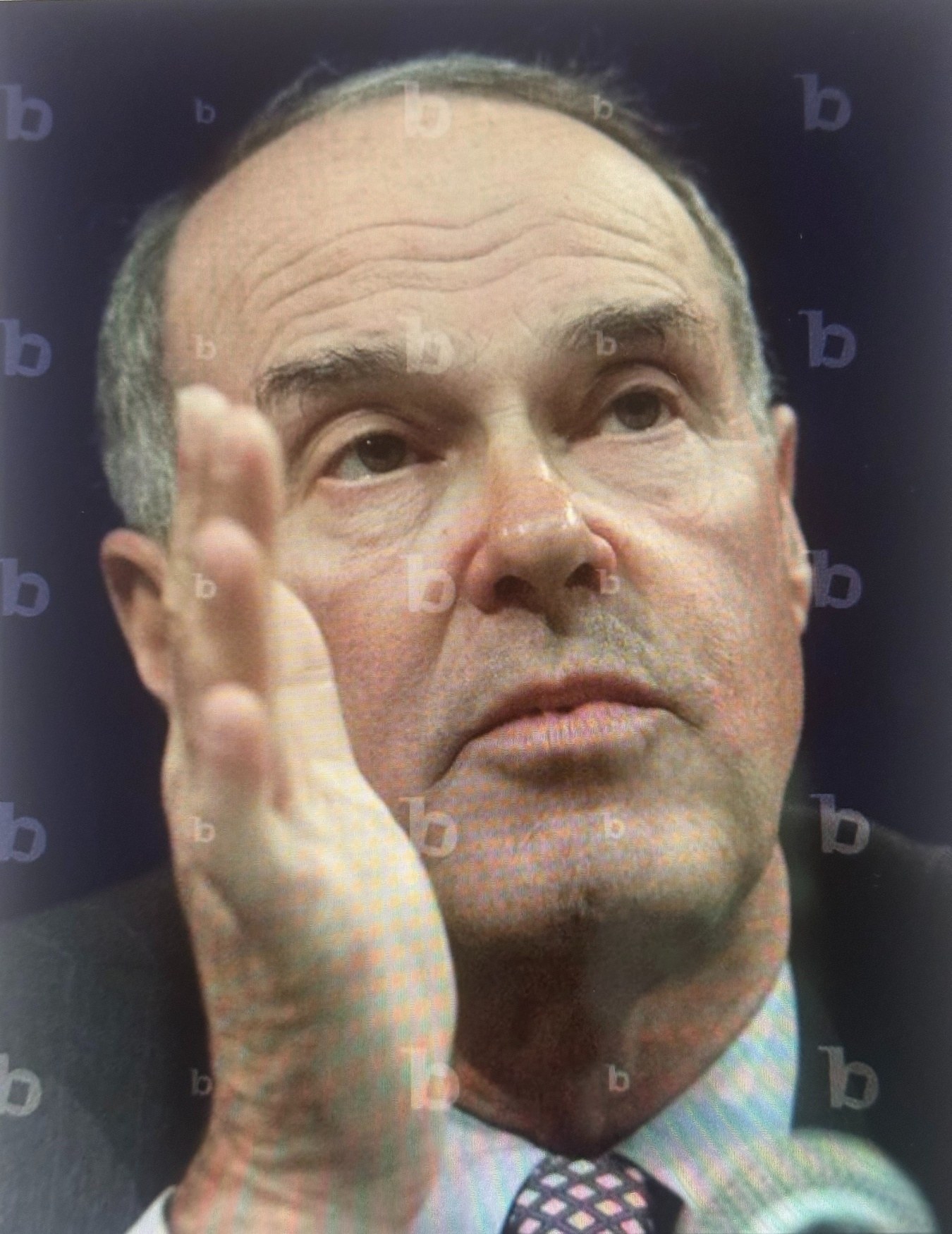
I spent a lot of time in JBH’s company and it was always highly entertaining. He had limitless energy (which on road trips could be very tiring), was very personable and pleasant, was smart in a narrow way (MBA from Harvard) but could be quite naive while at the same time being stubbornly uninformed. He also insisted that I be at his shoulder nearly all the time, essentially treating me as the brother he never had.
His generosity knew no bounds. Compensation, at Hess was above industry norms. He had an “in” with all the best restaurants in Manhattan and would willingly get seats for me in restaurants that were full. He had a box in the best location for the US Open tennis tournament which he gave me for many years. He brought me to Nobu Restaurant for my birthday.
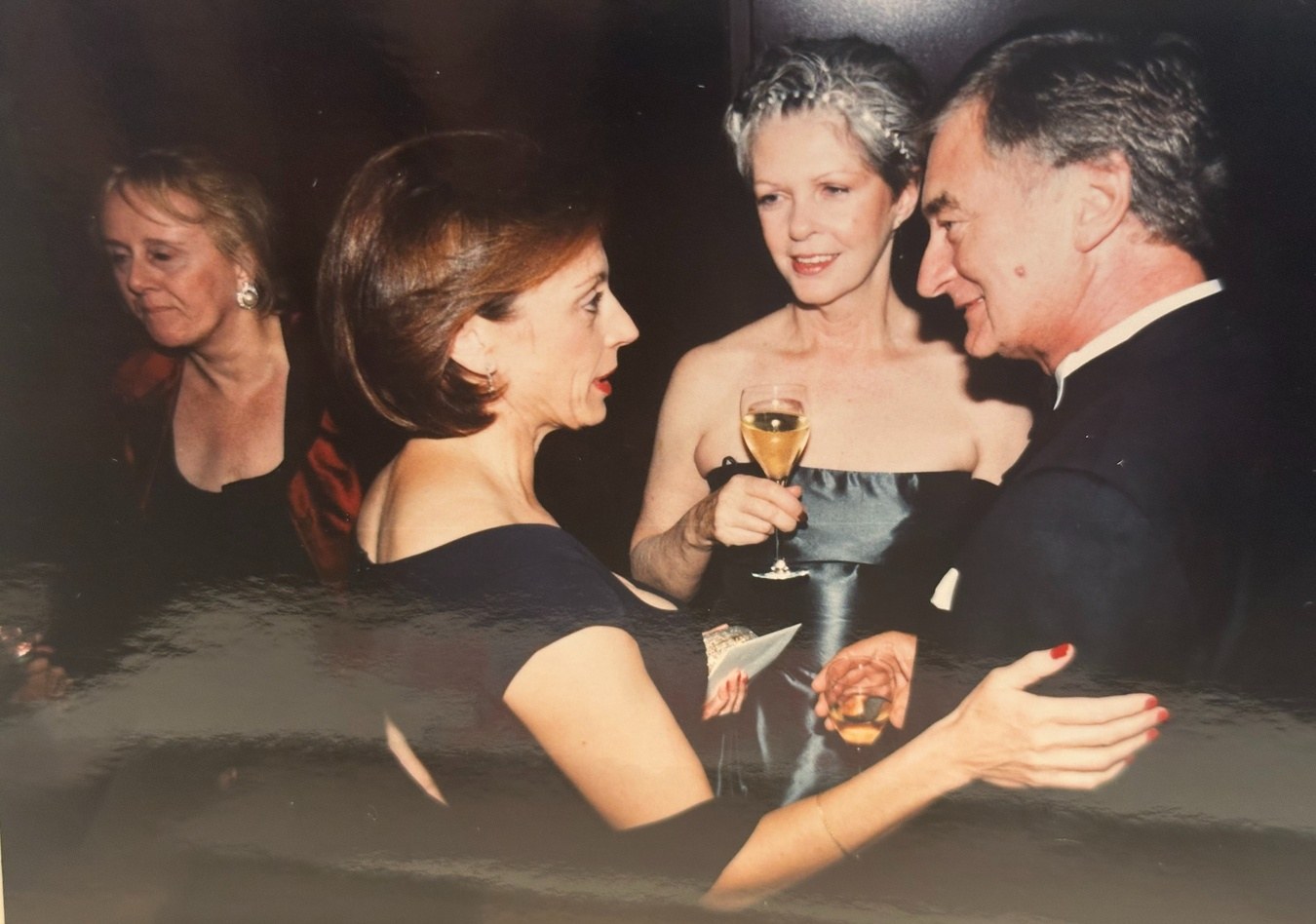
Another evening, at the Four Seasons Restaurant, he introduced me to the person at the next table—Donald Trump. His direct reports were given beautiful presents at Christmas. We were also invited to the Bar Mitzvahs of his two sons, which were over the top affairs at the Rainbow Room in Manhattan.
I had to accompany him on his worldwide travels, which were frequent and spanned the globe from the far north of Norway to the south of Argentina and east as far as Indonesia, While John worked away in his seat on these flights on the company jet, I had a bed made up and grabbed as much sleep as I could! Going on these trips could often be cringe-inducing, as his interactions with the high officials we were meeting were often handicapped by his unwitting non sequiturs.
While visiting the President of Equatorial Guinea, we were chatting with the President in the entry hall when John told him we had a present for him: a helicopter. The President asked, “How many people does it carry?” as John unwrapped his Hess Toy Helicopter, put it down on the marble floor and turned on its flashing lights! Oops—lost in translation.
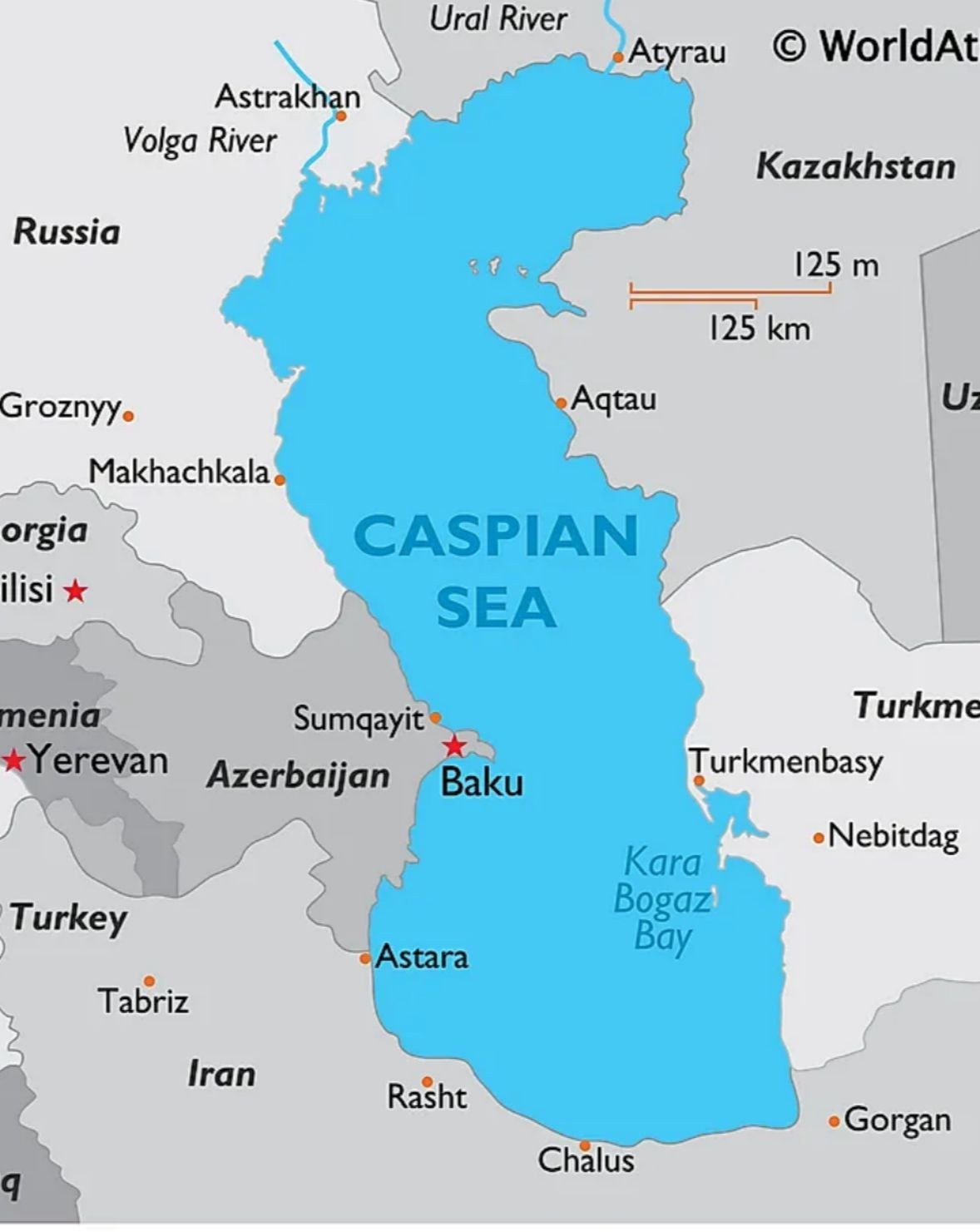
Another time we were in Baku meeting with the President of Azerbaijan when John produced his “present”. This time it was a Hess Toy Car which did wheelies. We were seated at a long refectory table and John wound up the car and sent it flying down the table! President Aliyev then asked to have a go too. A great meeting then ensued, but no new business.
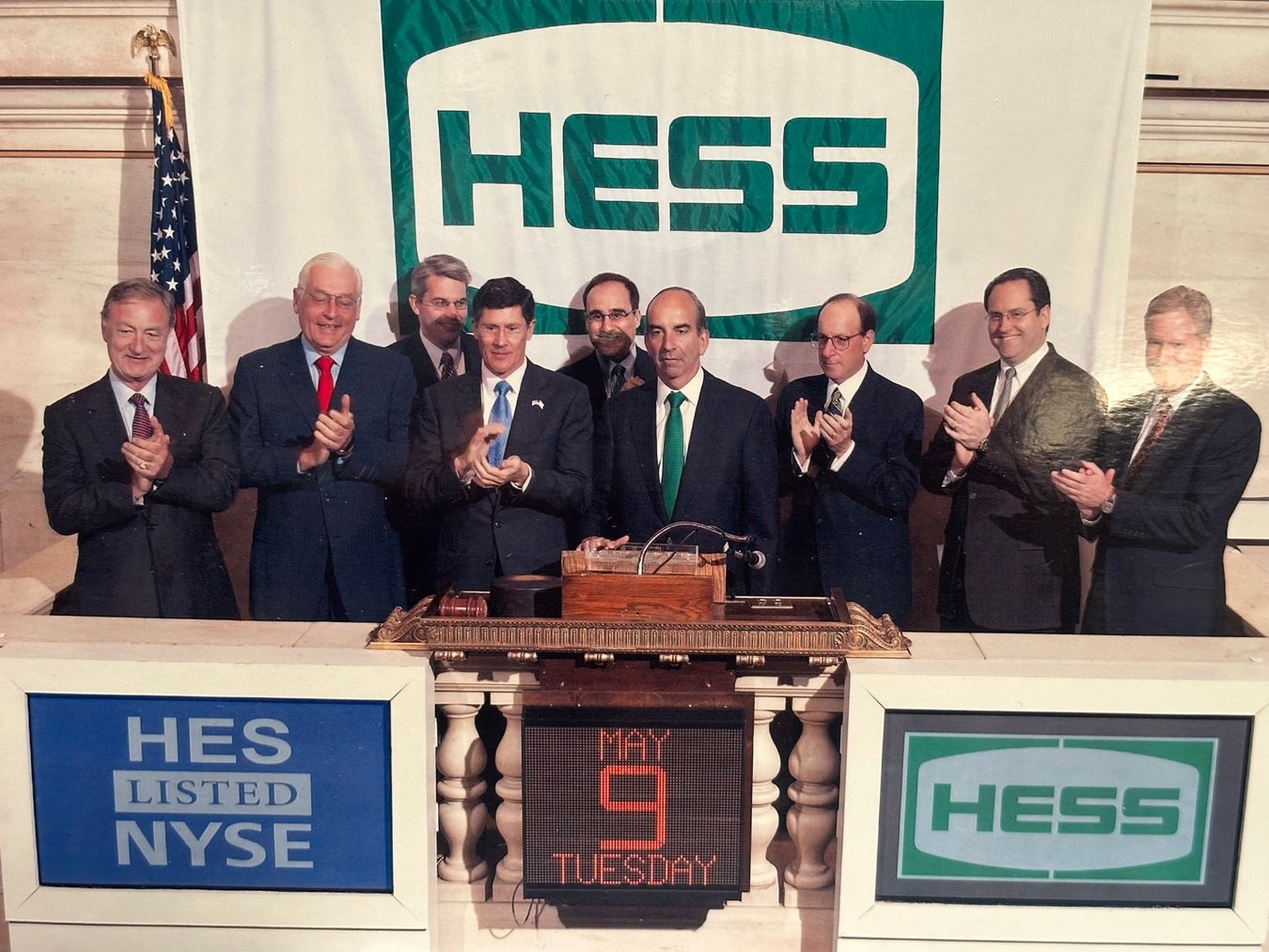
Every quarter we reported our earnings and forecasts during a live conference call with Wall Street analysts. They were well aware of John’s foibles and his tendency to provide rosy forecasts for the company that were never met. I changed that by underpromising and then overdelivering. Gradually we strengthened the company’s reputation and John decided to change the company’s name from Amerada Hess back to simply We rang the bell on Wall Street in recognition of this rebranding.
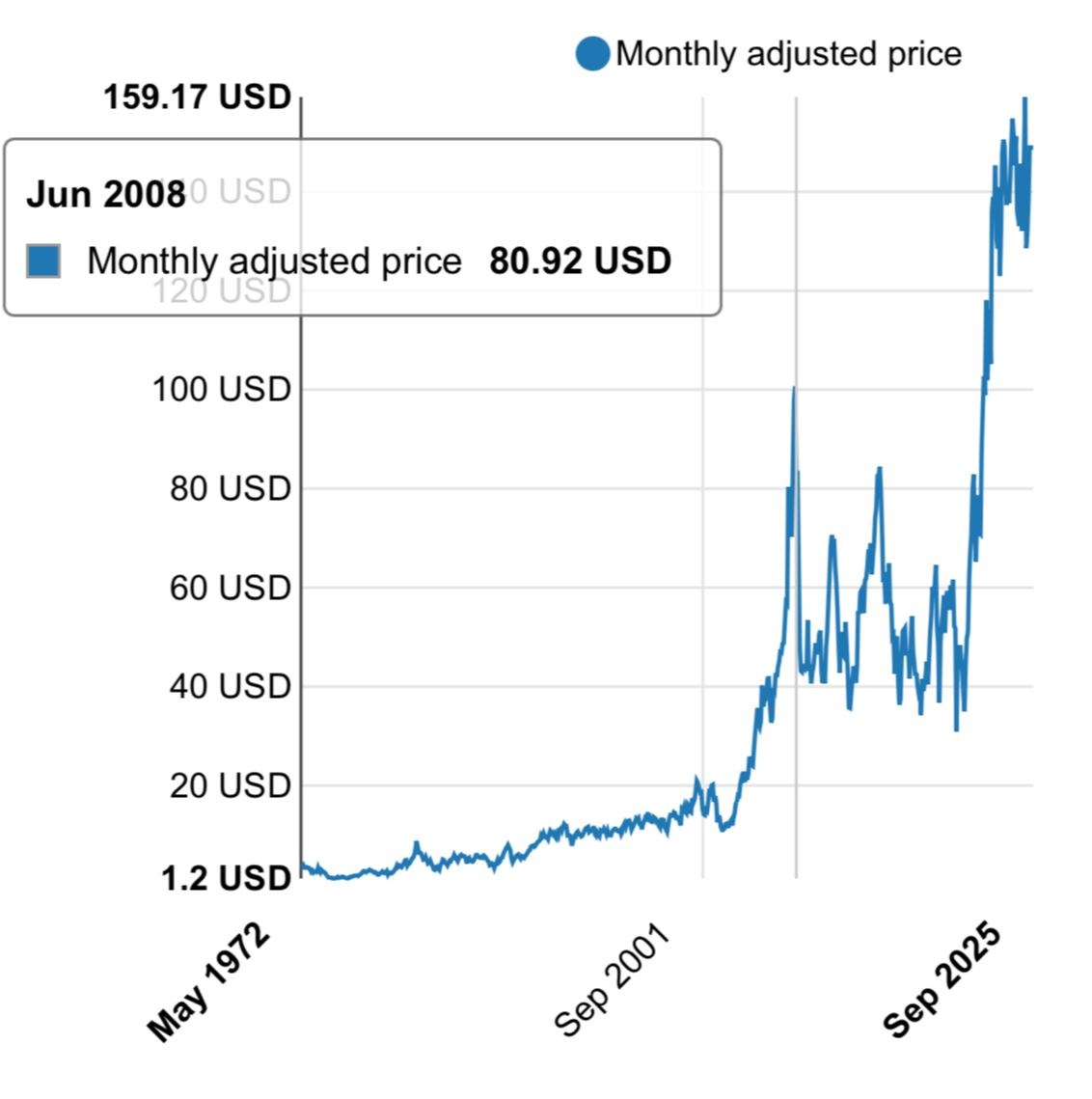
As Wall Street came to acknowledge the increasing strength and suite of growth opportunities that the company had so they raised the value of the company.
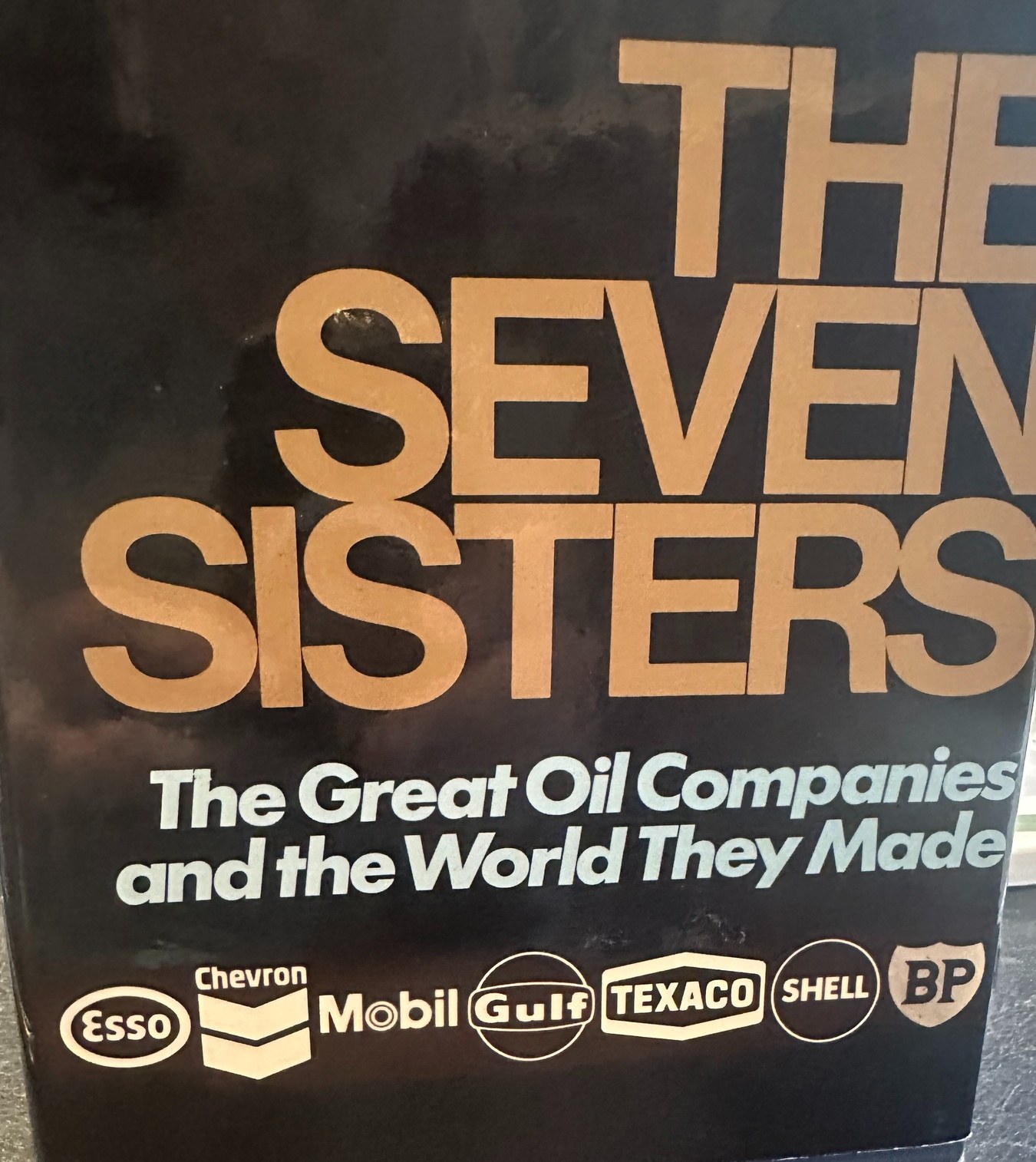
When I joined the company in October 2001 the share price was around $14, and by June 2008, the shares were trading around $80. So a lot of value had been created for a lot of people, not least, John Hess. But there was a lot more to come. Thanks to Hess holding a share in a successful exploration block in Guyana and with a solid, high-quality portfolio, the company was acquired in 2025 by Chevron at a share price of about $170.
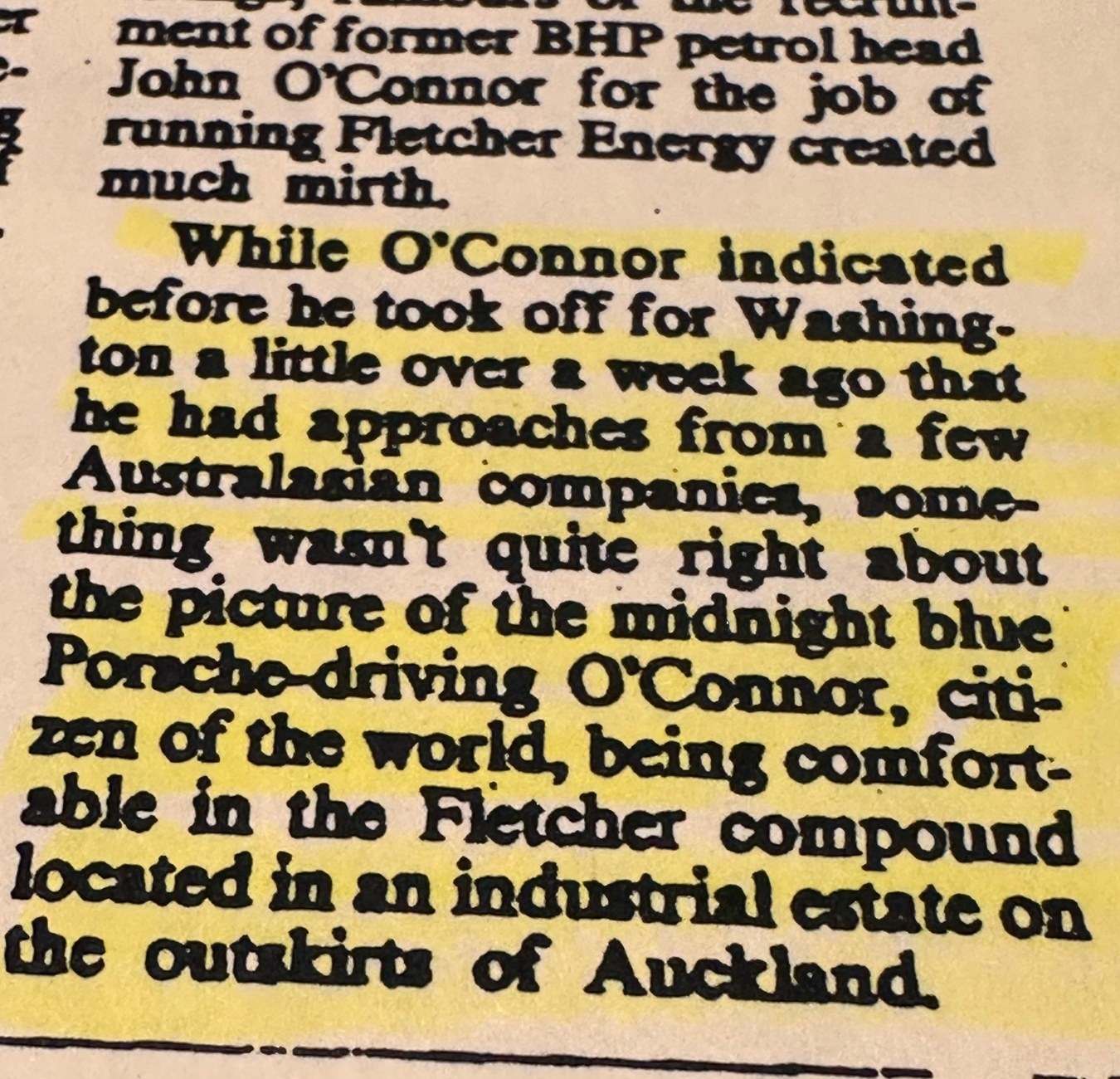
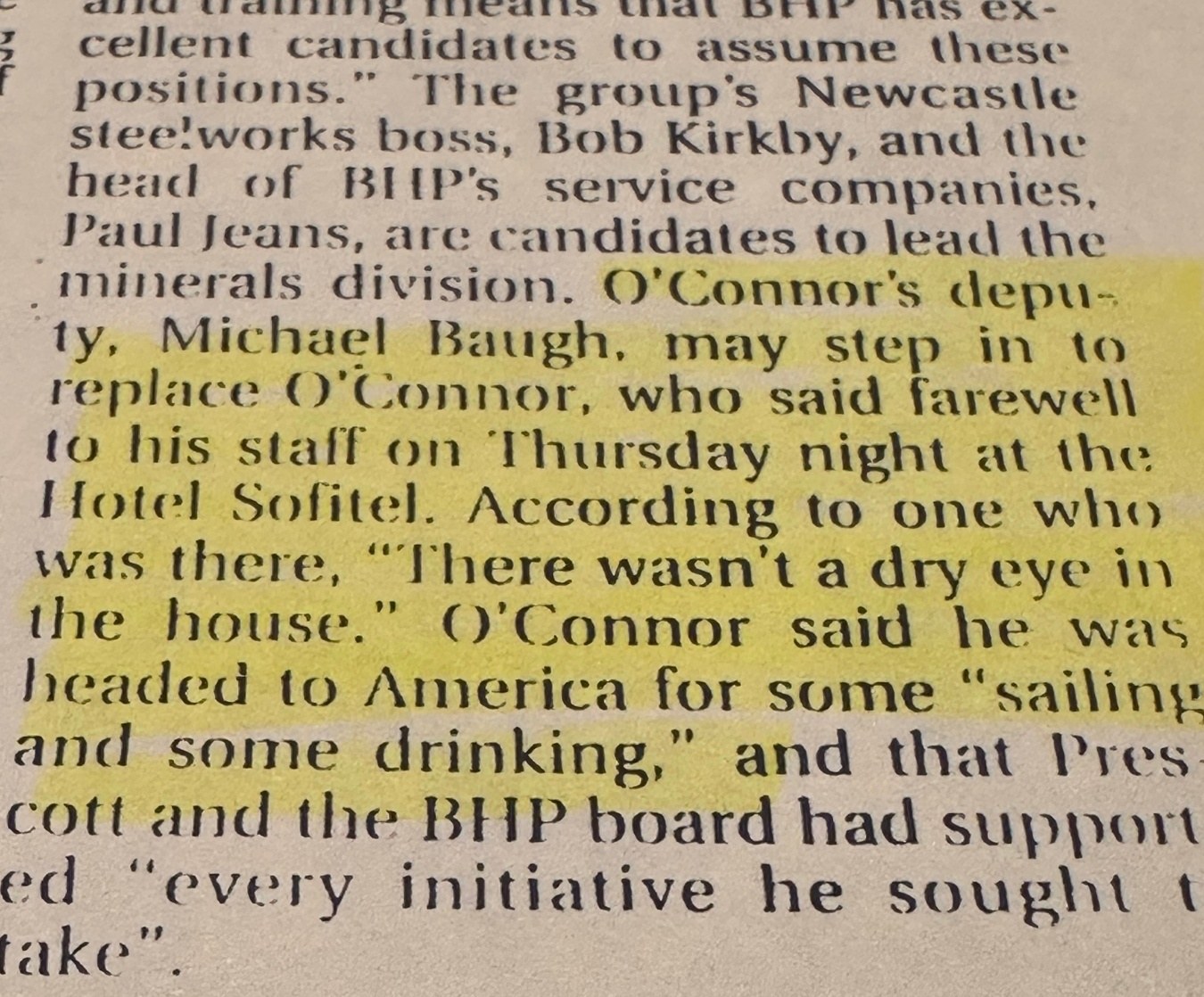
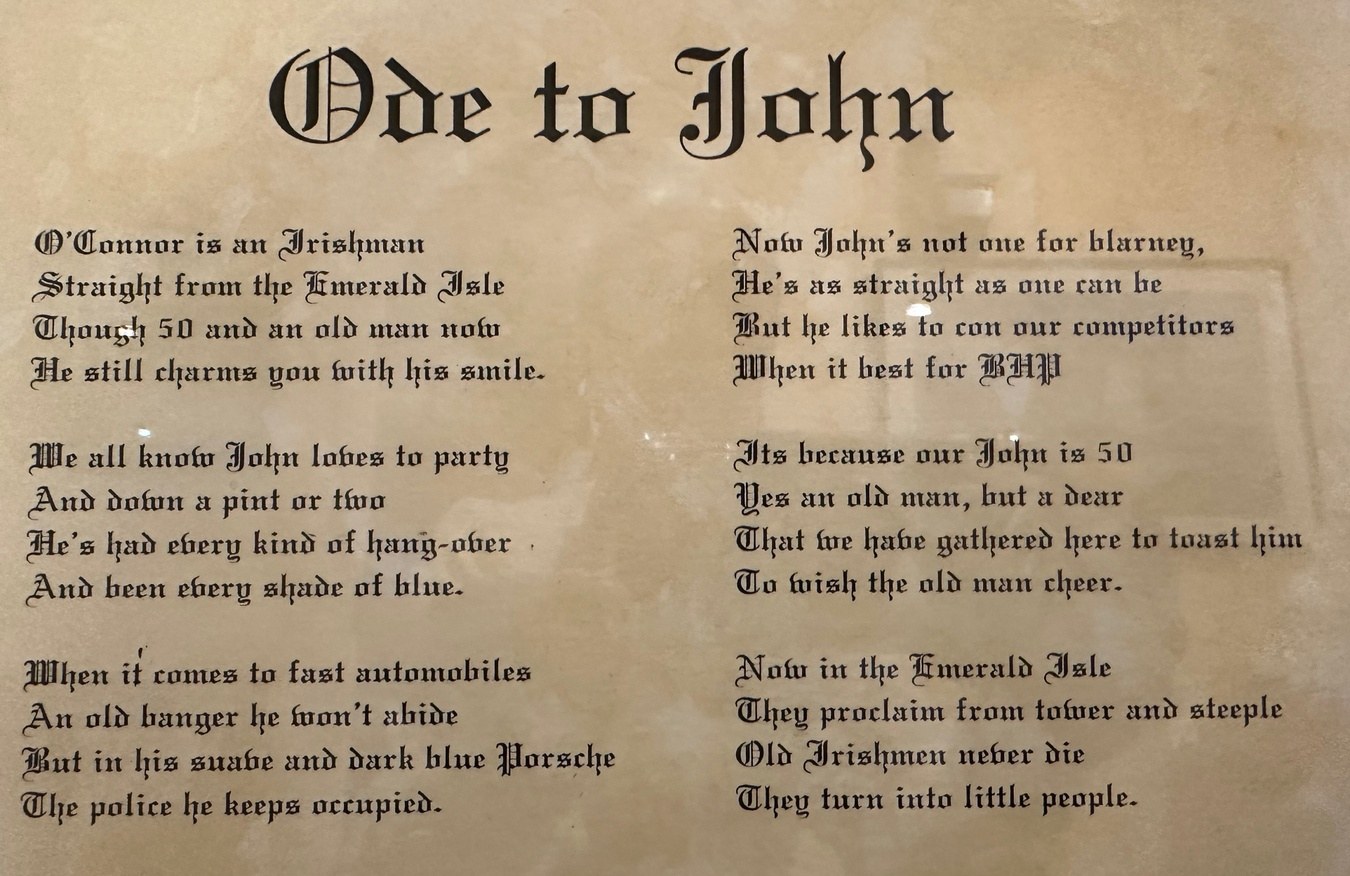
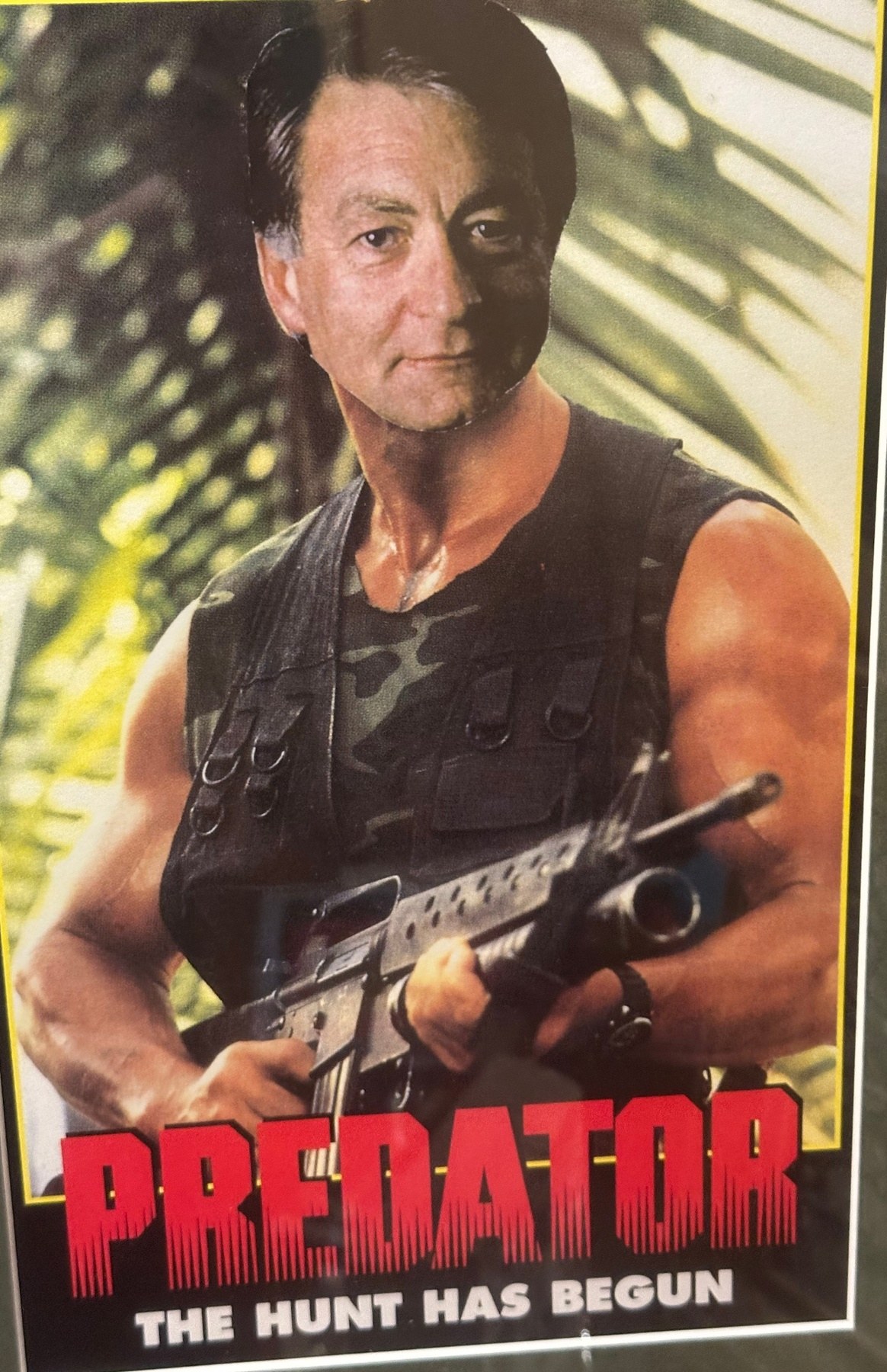
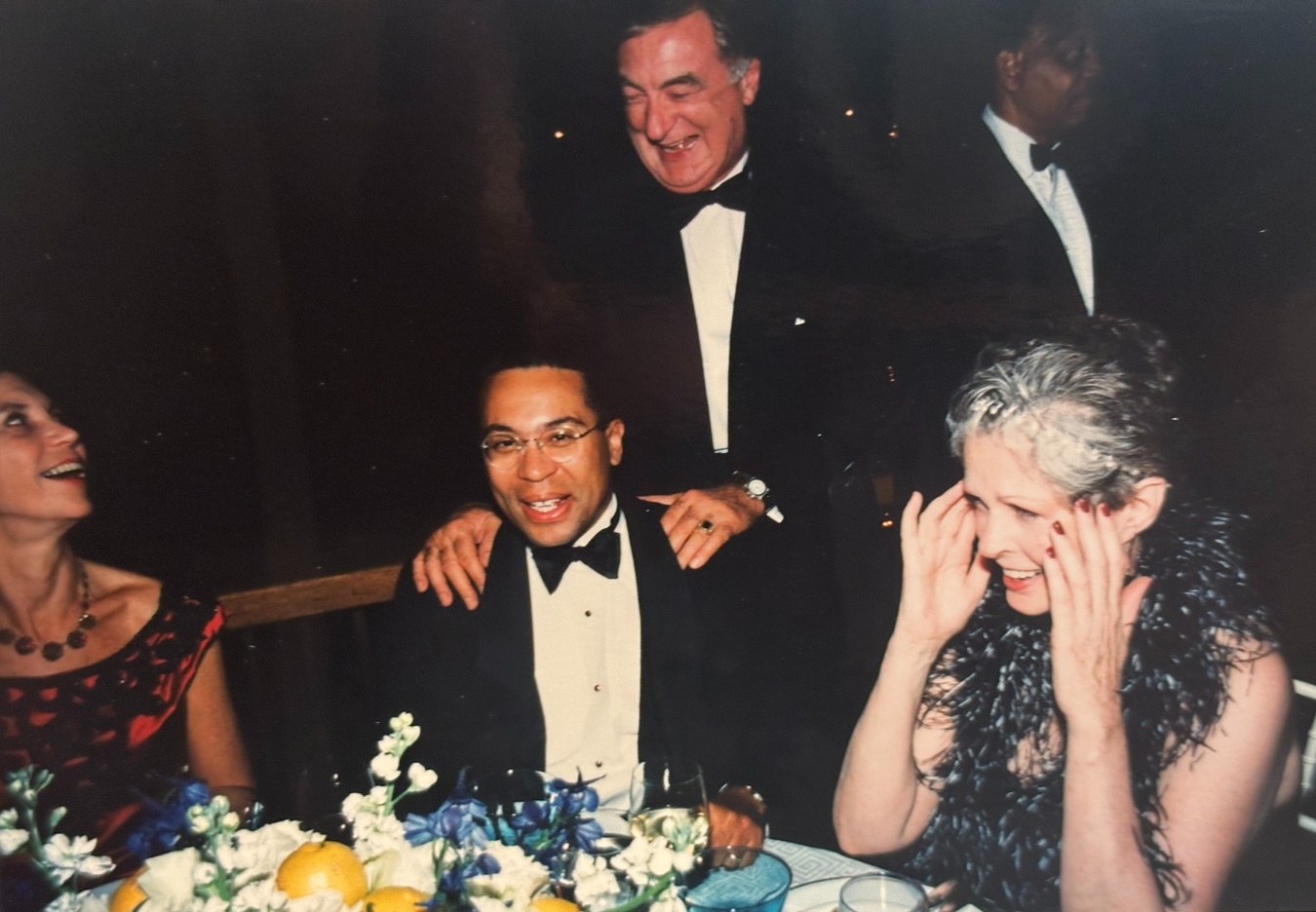
When I retired in March 2009, aged 63, after working for 41 years in the oil industry John threw a number of parties for me, and so my leaving was much more memorable than the sober environment I experienced on my first days.
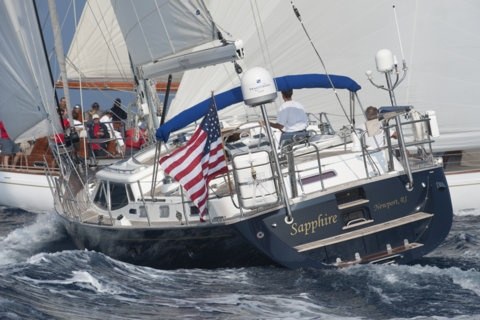
However, I didn’t have long to mourn leaving the industry I loved. I stopped work on March 31, 2009 and by 6 May I was headed across the Atlantic on Sapphire.
Going sailing was a marvelous distraction from the work environment and indeed kept me fully occupied in retirement.
But unlike my career moves, this was planned, and not happenstance.

But retirement and sailing weren’t the only signal events of 2009, because in February Pierce and Amy welcomed Aoife into the world and I became a very proud grandfather for the first time. She was a gorgeous child and is now a delightful teen who makes me very proud.
Continue Reading
2020–2021
Hiatus
I t’s now February 2022, two years since the onset of the pandemic, COVID-19. In late February 2020, I was passing through Dublin on the way back from checking on Sapphire in Falmouth Shipyard. During a cruise in the Baltic in 2019 we had been dismasted for no apparent reason, but that’s a story for another day.…