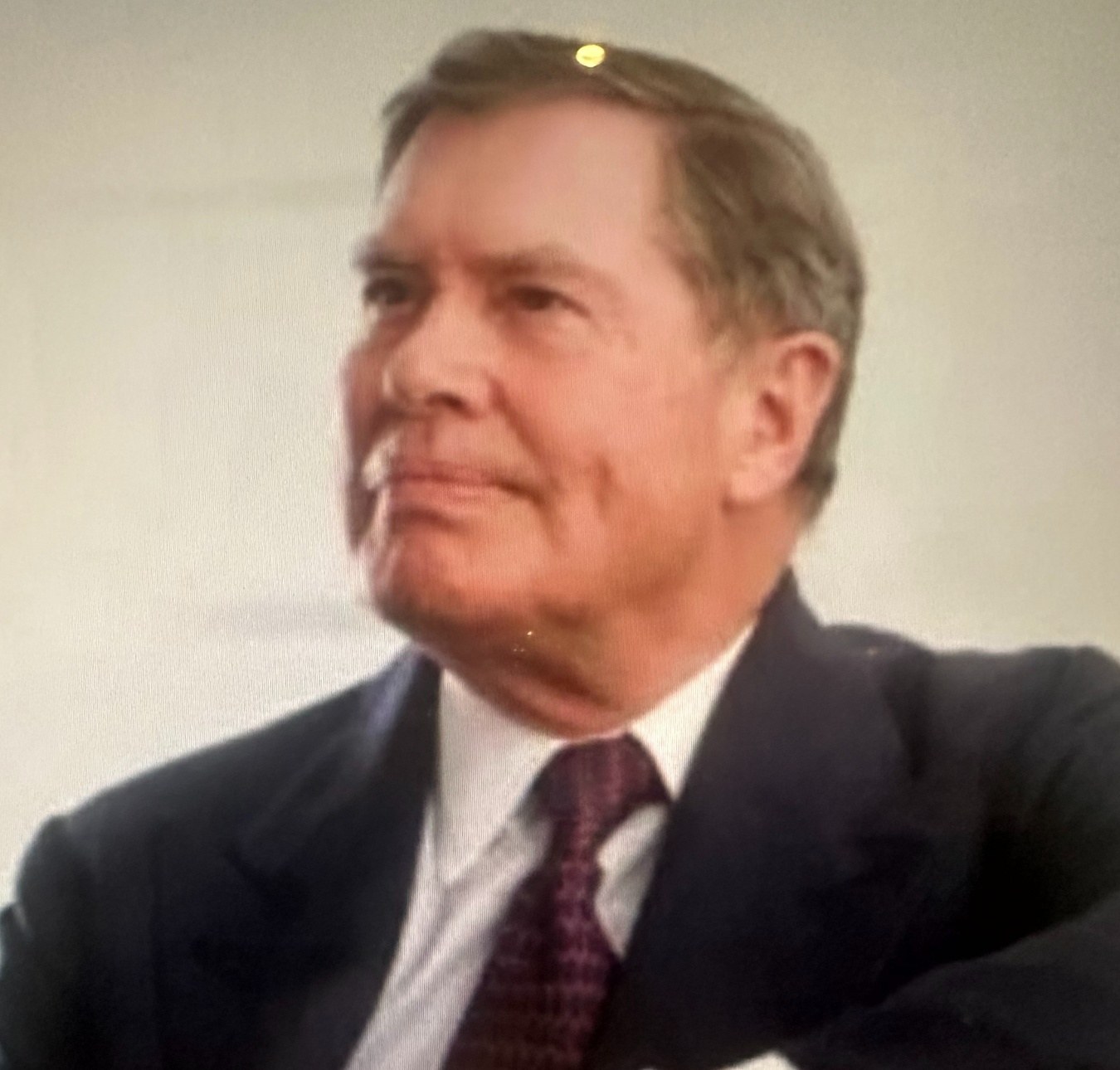
I was still looking for a job after the Russia opportunity had passed when I was contacted by Graham Hearne, the chairman of Enterprise Oil, a London-based company. We met in Houston and he told me he was looking for a new CEO.
Graham Hearne, Chairman Enterprise Oil I had probably met Graham a few times socially in the UK, at pheasant shoots and such.
Enterprise Oil was probably about the same size as BHP Petroleum. So I viewed the opportunity as being OK, but certainly not earth shaking. Still, needs must, so I agreed to go to London to meet his Board of Directors. There followed a series of interviews which I found more intensive than any I had ever experienced before. Fortunately one of the inquisitors was an ex-Mobil executive whom I knew quite well, which eased the strangeness. Another was the current CEO of British Steel, which was in financial trouble at the time. I thought it was a bit rich to have to parry questions about my abilities from someone who hadn’t displayed much business acumen in his own job.
I suppose the toing and froing with Graham went on for some six weeks or so. The compensation on offer was not to American standards, being constrained by English business practices at that time. That, plus the recognition that in London I would be in a very unfamiliar and possibly unwelcoming environment, led me to turn down the opportunity. No doubt this was another bullet dodged because the following year Enterprise moved its offices to Aberdeen, a somewhat grim Scottish city. And then in 2002 the company was acquired by Shell! I would have had a very short career with them!
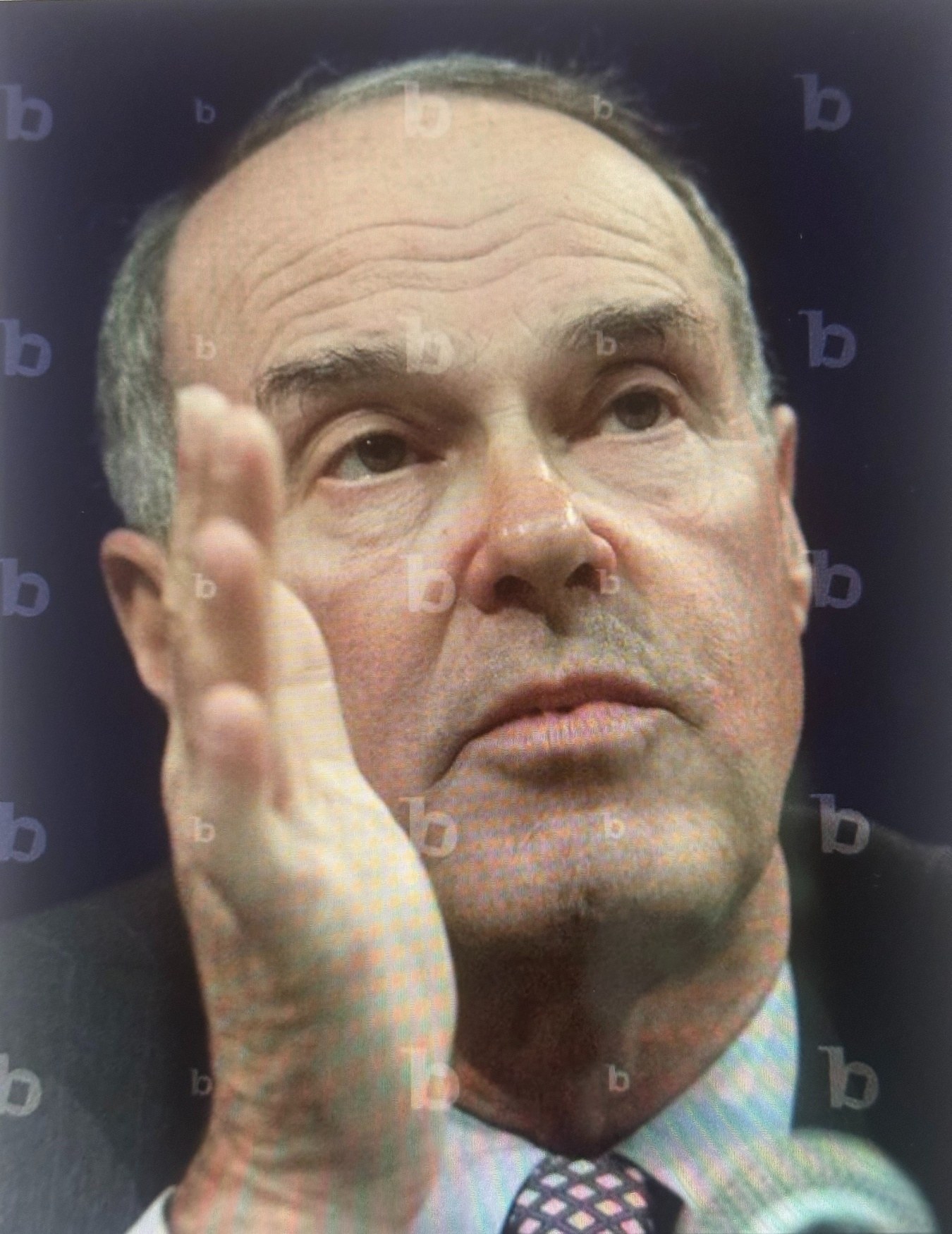
Around about this time I got a call from Peter Bijur, the Chairman and CEO of Texaco.
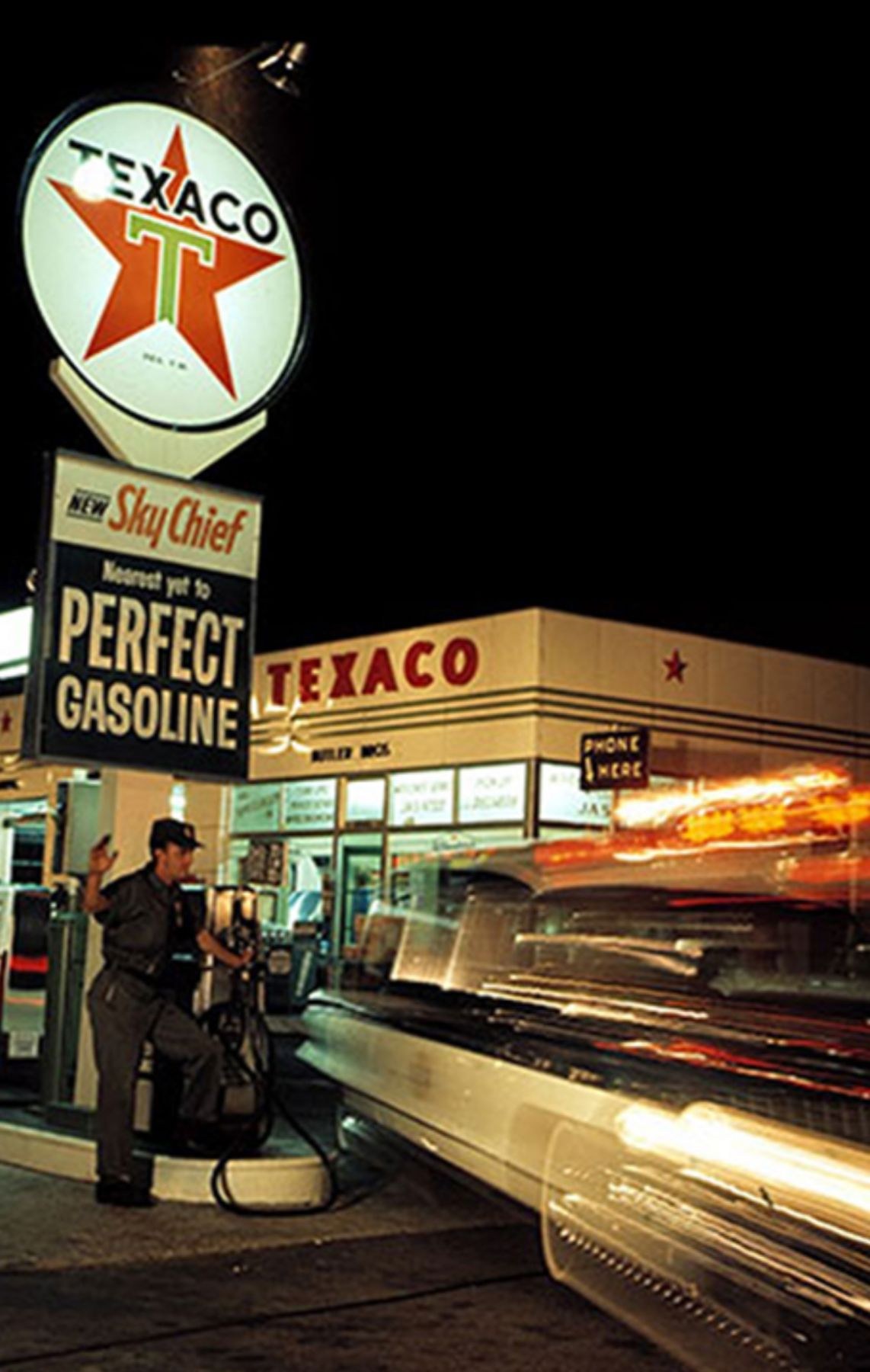
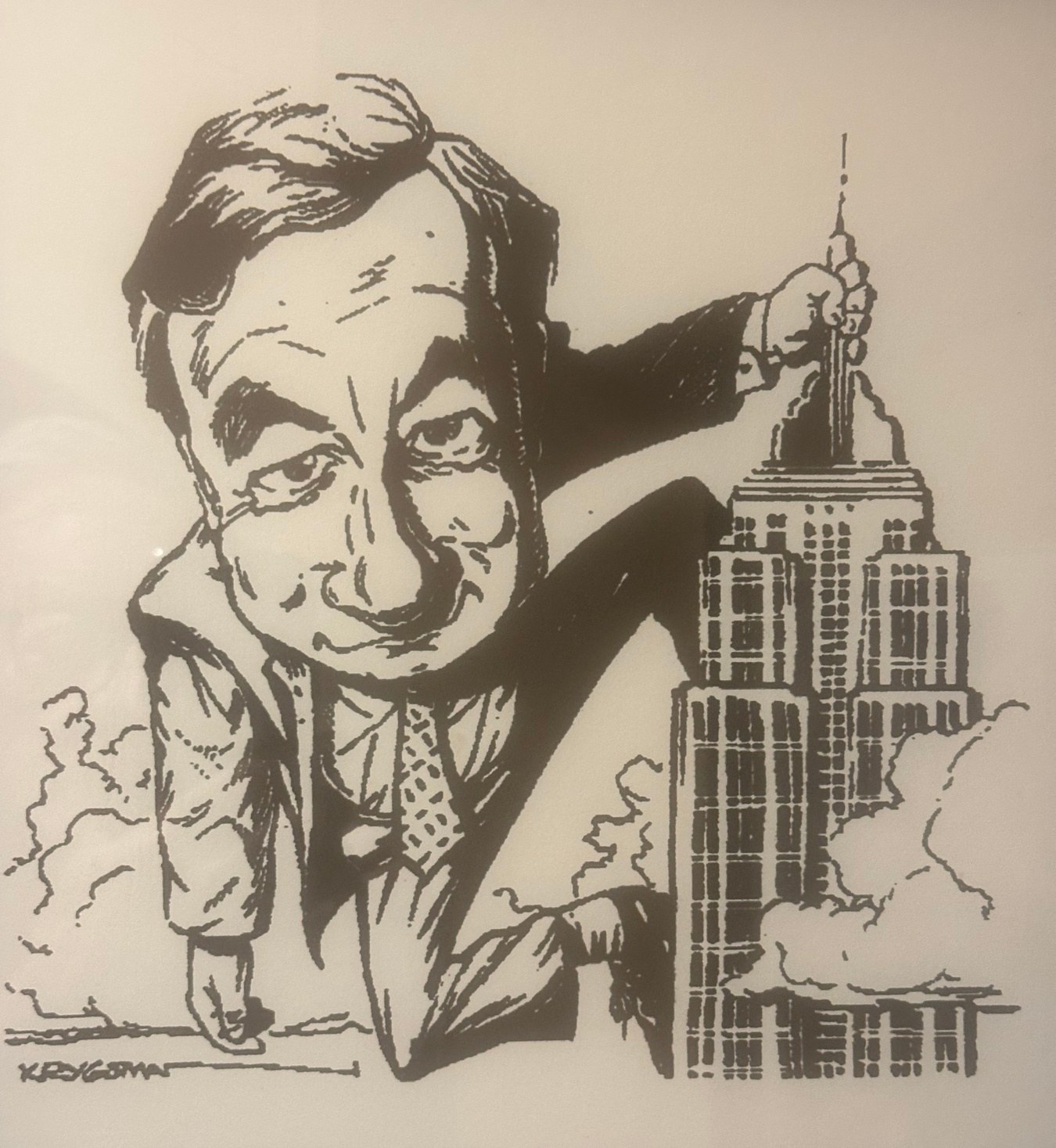
He wanted to talk to me about a job, so I flew up to White Plains, New York, where the head offices were. For years Texaco had their offices in the beautiful Chrysler building in Manhattan, but had moved out of the city, as had many other companies, when the city fell on hard times.
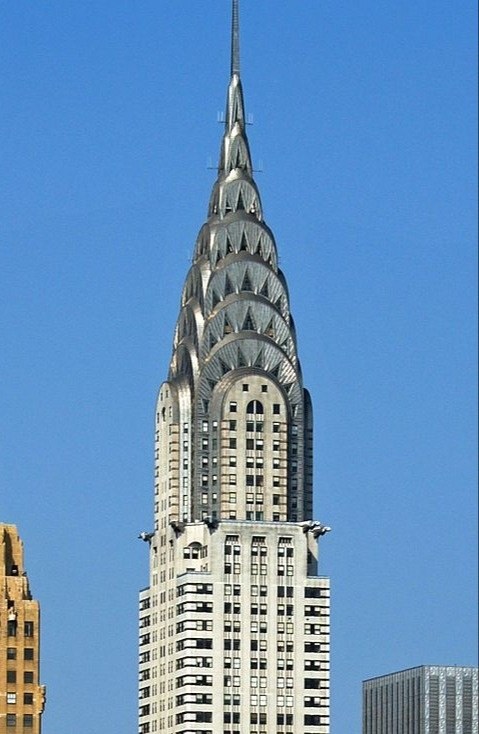
When I met Bijur in his enormous oak-paneled office he said he wanted me to be a candidate to replace the existing head of their global E&P business!
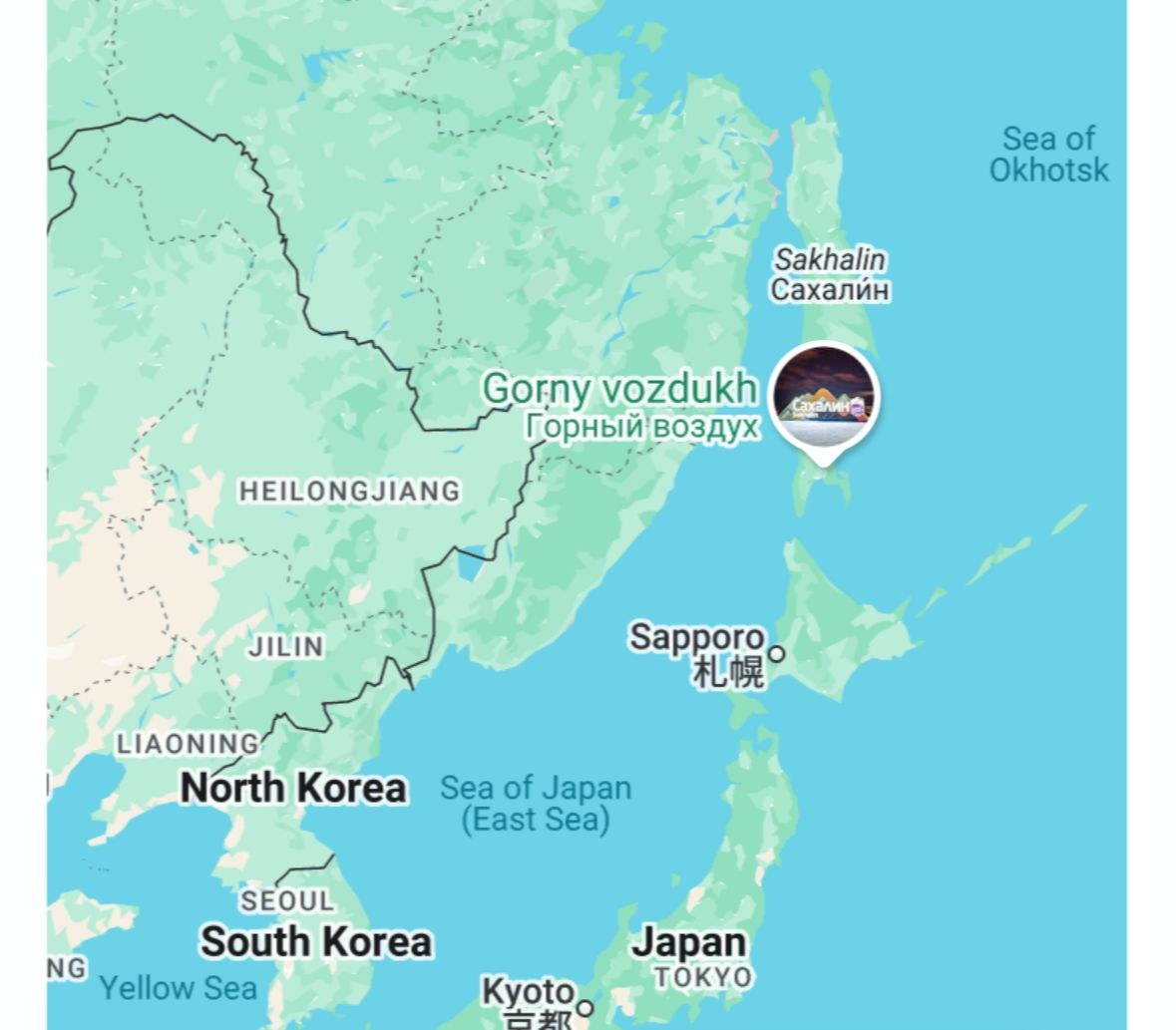
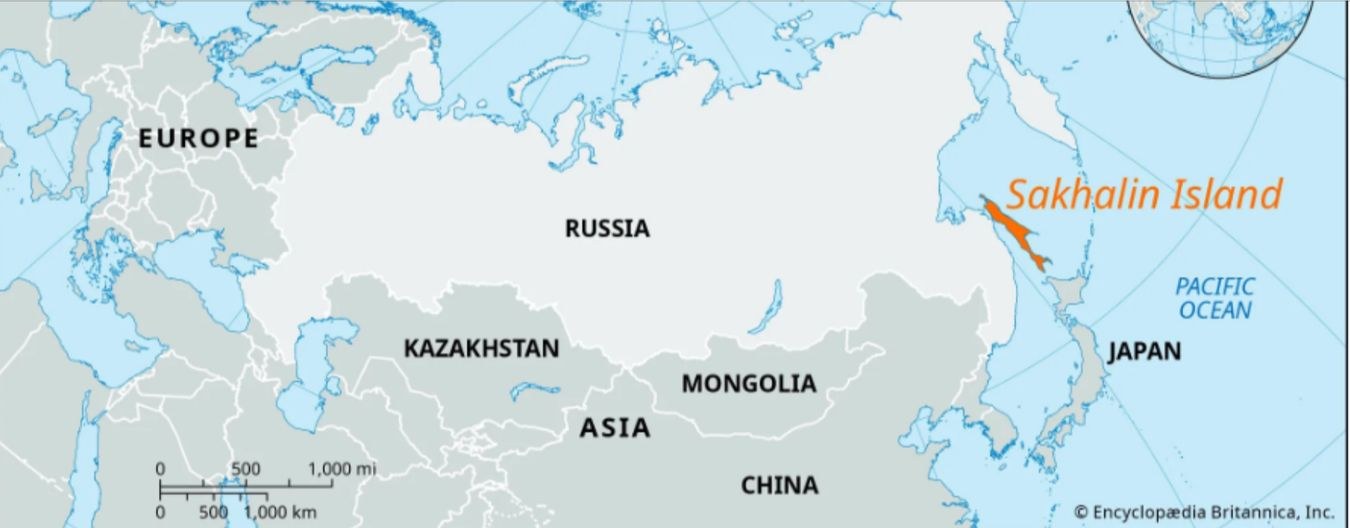
My acquaintance with Bijur started while I was working with Mobil. Both of us were included, with a number of other execs from oil companies who were hosted by Exxon for a weekend of bird hunting and socializing on a 40,000-acre ranch in south Texas owned by Exxon. This in turn led sometime later to my inviting Texaco to take 50% of an exploration block I had secured for Mobil offshore Russia’s Sakhalin island in the Pacific.
They were extremely thankful for this opportunity. In fact, at that time Bijur invited me to fly with him on the Texaco jet to Sakhalin. I made my excuses and dodged that.
There followed another hunting trip as the final step in the interview process. Bijur, the nice man who currently held the job being offered to me, our wives, and I flew to Montana on the corporate jet for a weekend at the enormous ranch Texaco owned. I was able to pretend I was hunting while making sure I missed the prey! Long story short, I got the job starting, I think, on January 1, 1998. My responsibility was the worldwide E&P portfolio, the biggest earning portion of the company.
Because Texaco had such a convoluted and catastrophic story I decided to include here a potted history of the company.
Hopefully it’ll be of interest as a window into the behaviour of the oil multi-nationals.
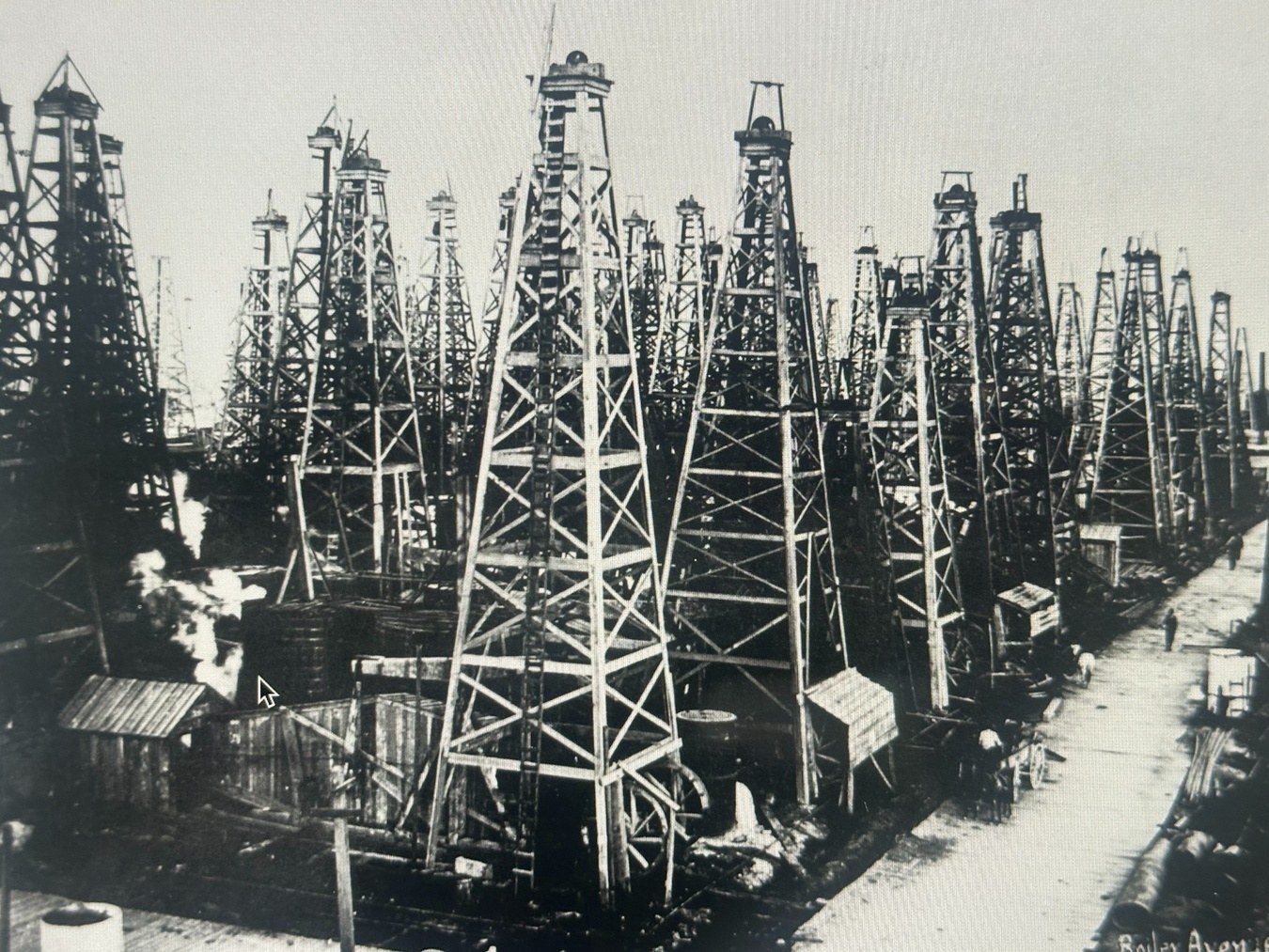
Texaco’s origins date to 1901 and its participation in the great Spindletop, Texas, oil discovery.
New York bankers financed an Irish American oil lease speculator named “Buckskin” Joe Cullinan, whose grandfather had escaped the Irish potato famine. The company made good profits and by 1904 was producing 5% of all American oil.
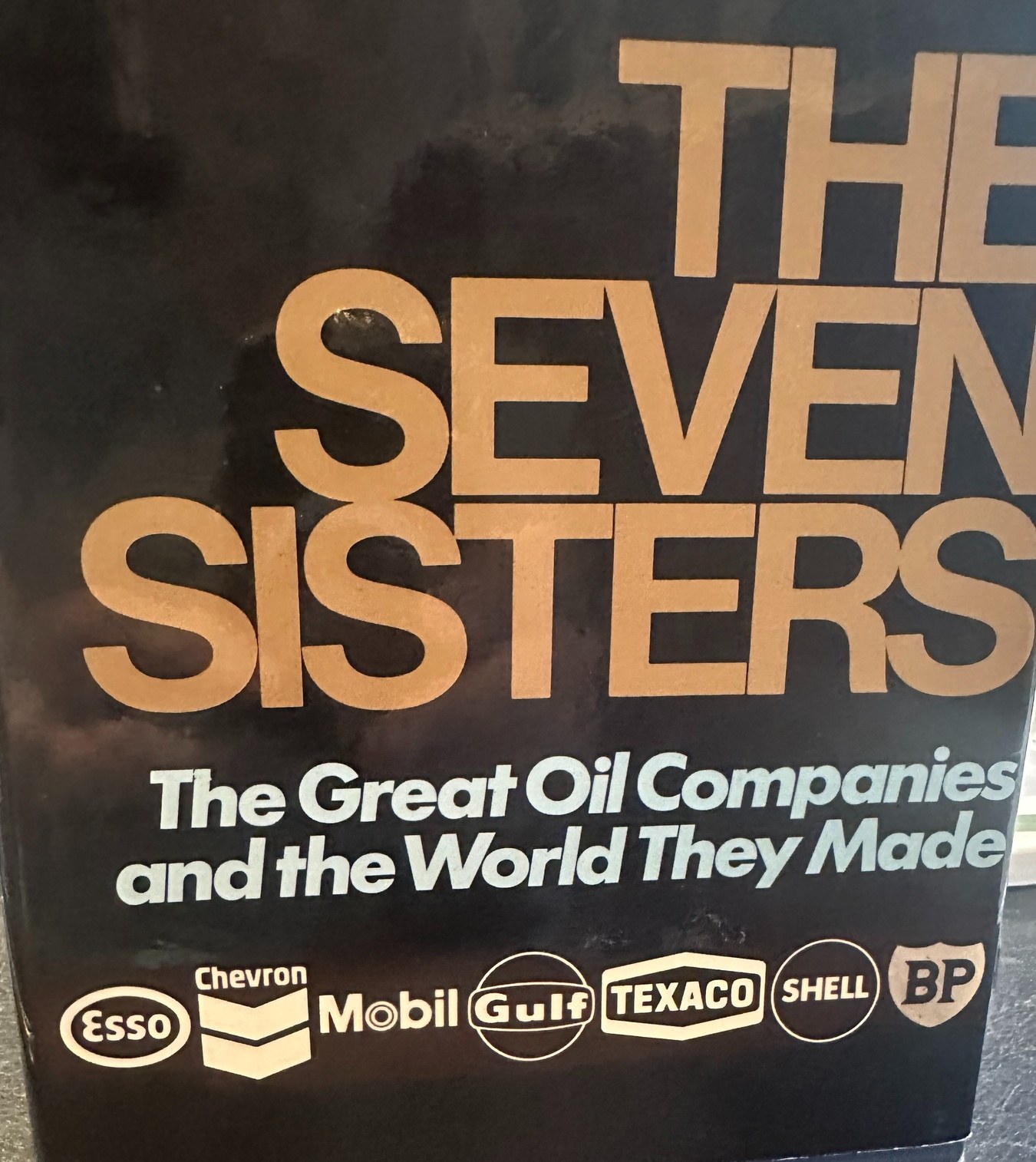
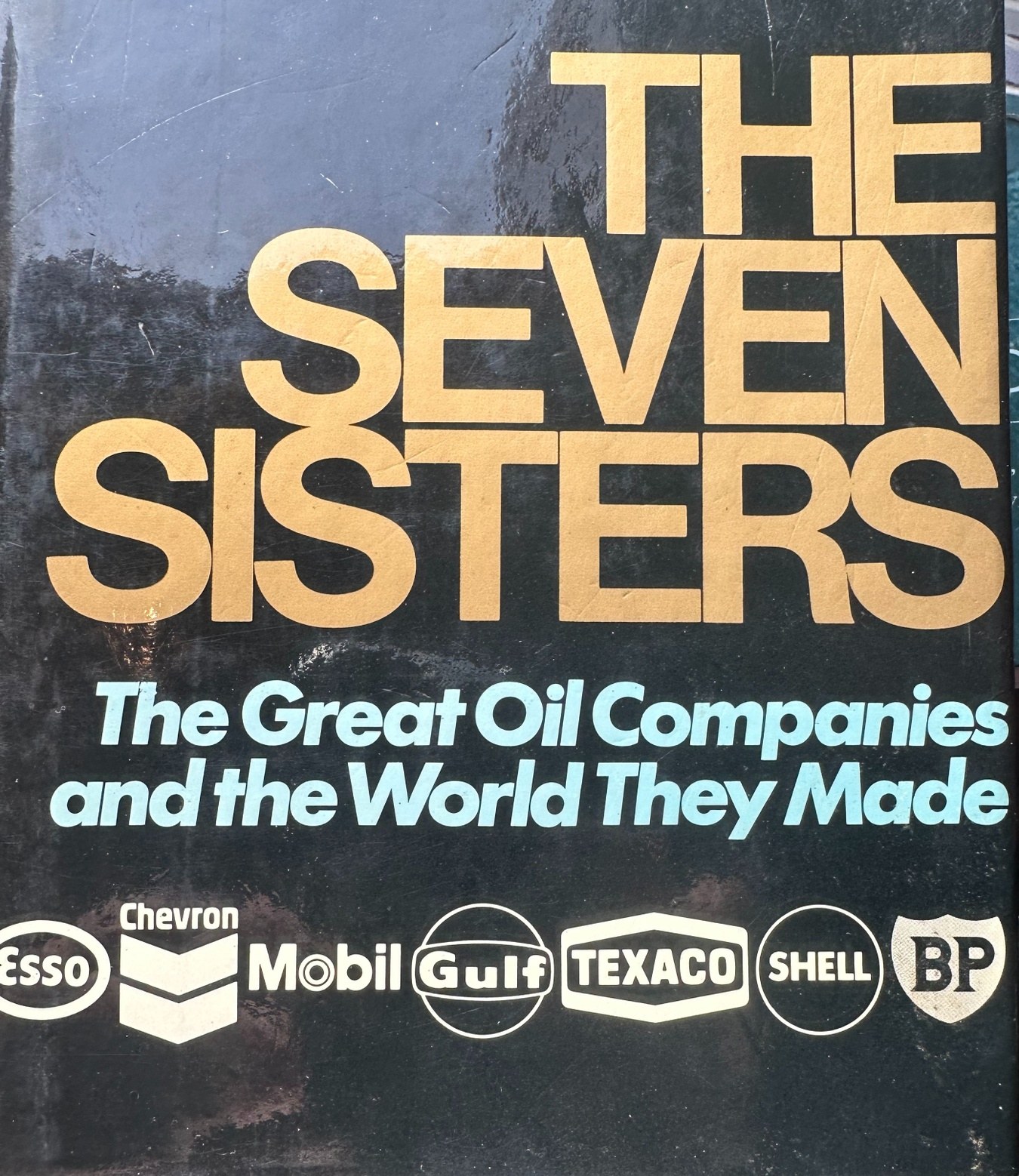
Cullinan was a larger-than-life character who entertained grandly and supported and financed various Irish causes. The Irish playwright and author St. John Gogarty said, “Had I not seen part of his fleet of bronze oil tankers, I should not have realized I was in the presence of a man who could have bought an Irish county.” Disagreements broke out between the money men and Cullinan the oil man culminating in 1913, when the New York shareholders traveled to Houston in a special railroad car and threw Cullinan out of the company. However, his maverick style remained with the company and it was ever after the loner among the Seven Sisters, as the great global oil companies were called.
Texaco next hit the mother lode when they agreed in 1936 to buy 50% of Chevron’s concessions in Bahrain and Saudi Arabia, covering an area as big as the combined states of Texas, Louisiana, Oklahoma, and New Mexico! Huge oil discoveries soon followed and Saudi Arabia continues to this day as the most profitable and prolific oil producer in the world. Ultimately Texaco had so much access to crude oil that it expanded all over the world, though in Asia it remained in partnership with Chevron and operated as Caltex. It was overly ambitious, however, and in 1985 while acquiring Getty Oil it was sued by Pennzoil who maintained they had a prior agreement to acquire Getty. Texas courts agreed with Pennzoil and ultimately awarded them $3 billion in damages and penalties. Texaco maintained they couldn’t pay and filed for bankruptcy in 1987. The upshot was that, far from fulfilling their ambition to become the world’s largest oil company, they were seriously wounded when they emerged from bankruptcy in 1988.
A more recent disaster occurred in 1994 when six highly qualified African American employees filed a lawsuit alleging discrimination. In the court case, it came out that Texaco’s overall minority representation was significantly below the levels of other companies in the oil industry. Furthermore, when secret tape recordings of Texaco executives using grossly offensive racial slurs emerged, there was public uproar. Texaco ended up in 1996 paying $115 million to the litigant class, giving the affected employees a one-time 10% salary increase and establishing a task force whose mandate included implementing broad, companywide diversity, and sensitivity training for all employees.
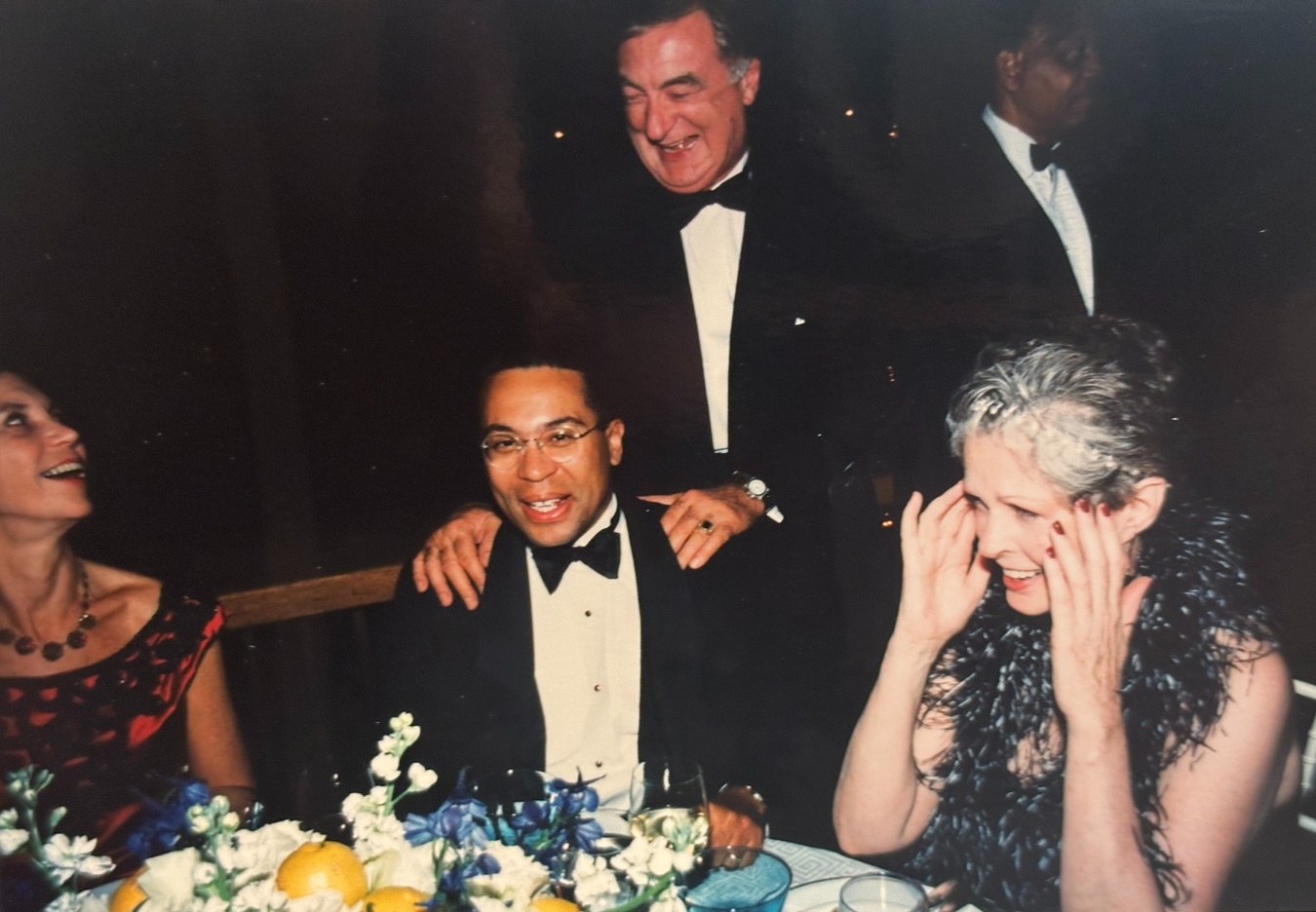
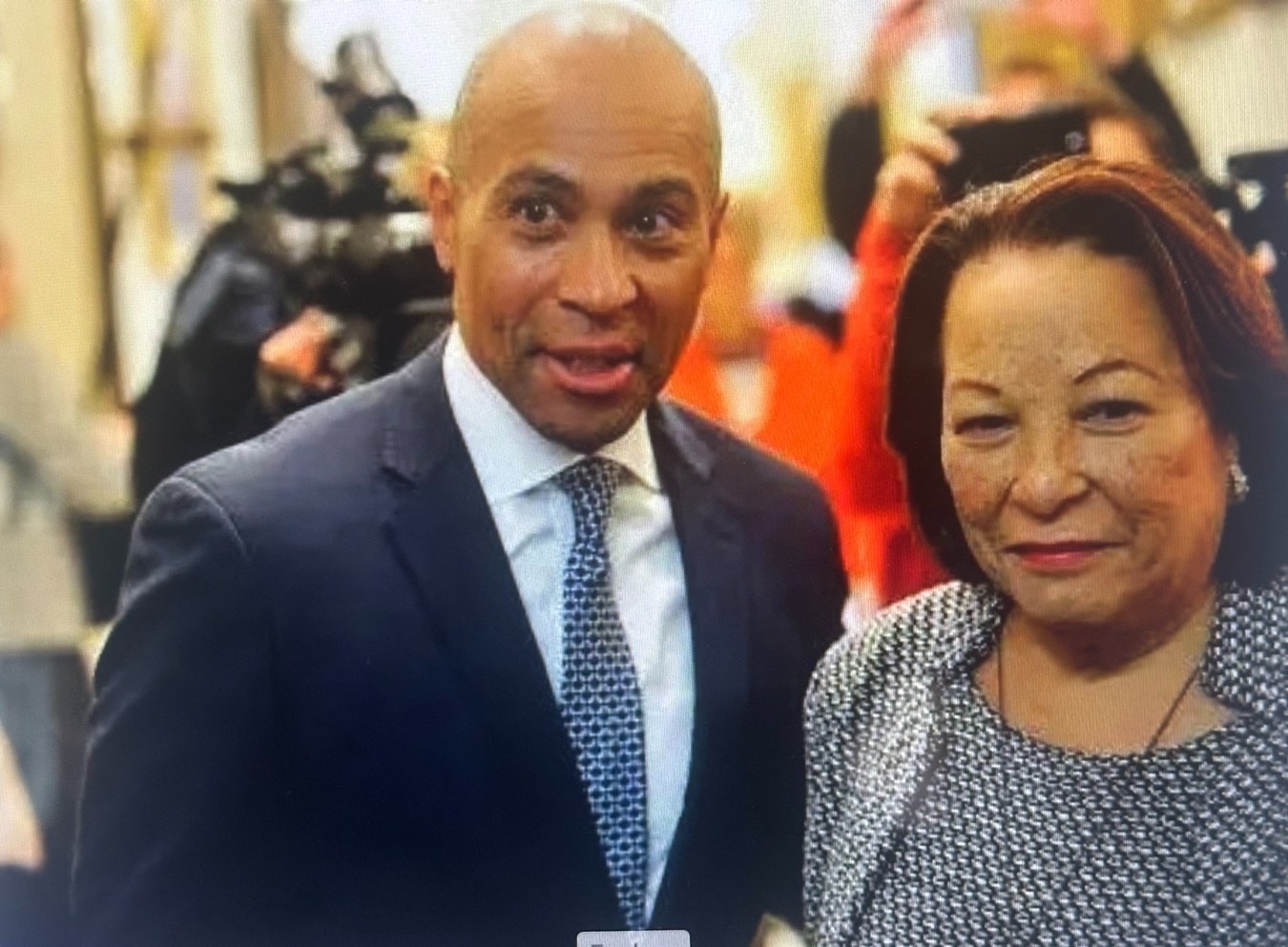
The court also installed an African American senior lawyer in the company to ensure the judgments were implemented. Deval Patrick and his wife became good friends and fellow opera enthusiasts and Deval ultimately became Governor of Massachusetts in 2007.
I had very little knowledge of this background when I joined the company. I had heard from Mobil colleagues that Texaco was a third rate company and so I wasn’t really invested in understanding its environment. But I found that my worldwide portfolio was in poor shape and the staff I inherited were unmotivated and second-rate. In addition, Bijur turned out to be a petty tyrant. He had staff meetings every Monday mornings which were opportunities for him to rage at his direct reports around the conference table, though not including me.
Nevertheless I hated going to work on Mondays. I took to calling this meeting the Star Chamber in view of Texaco’s logo!
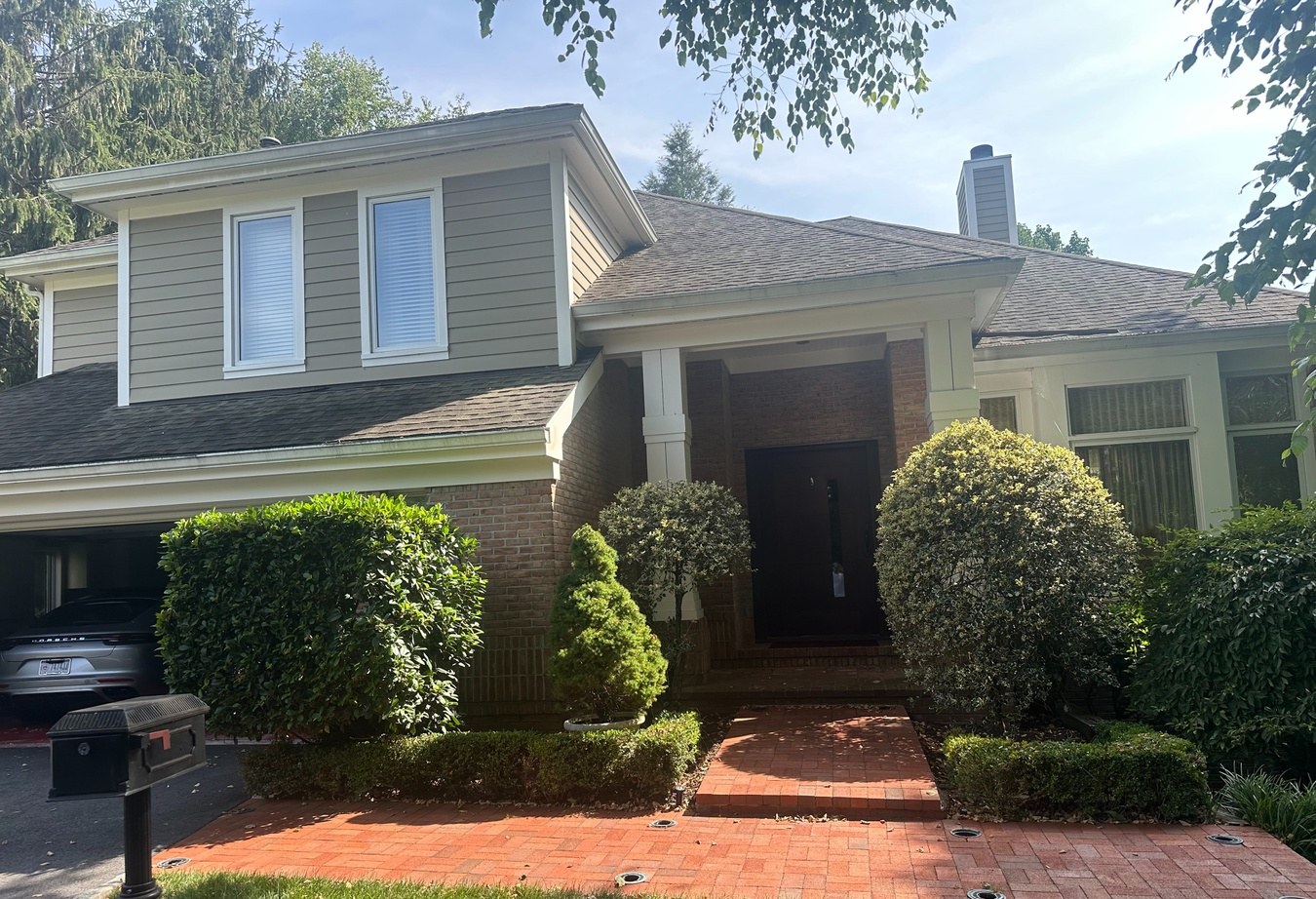
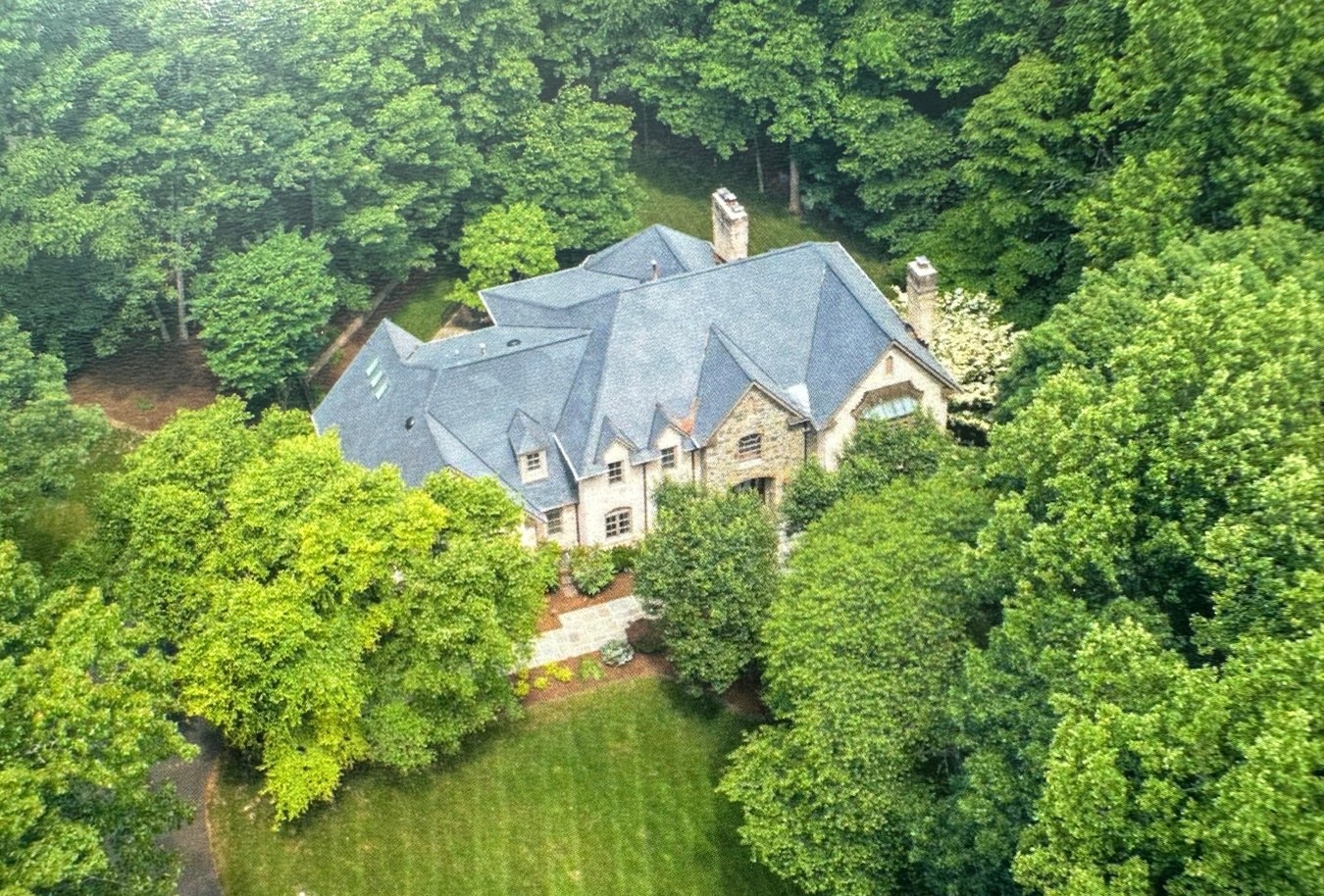
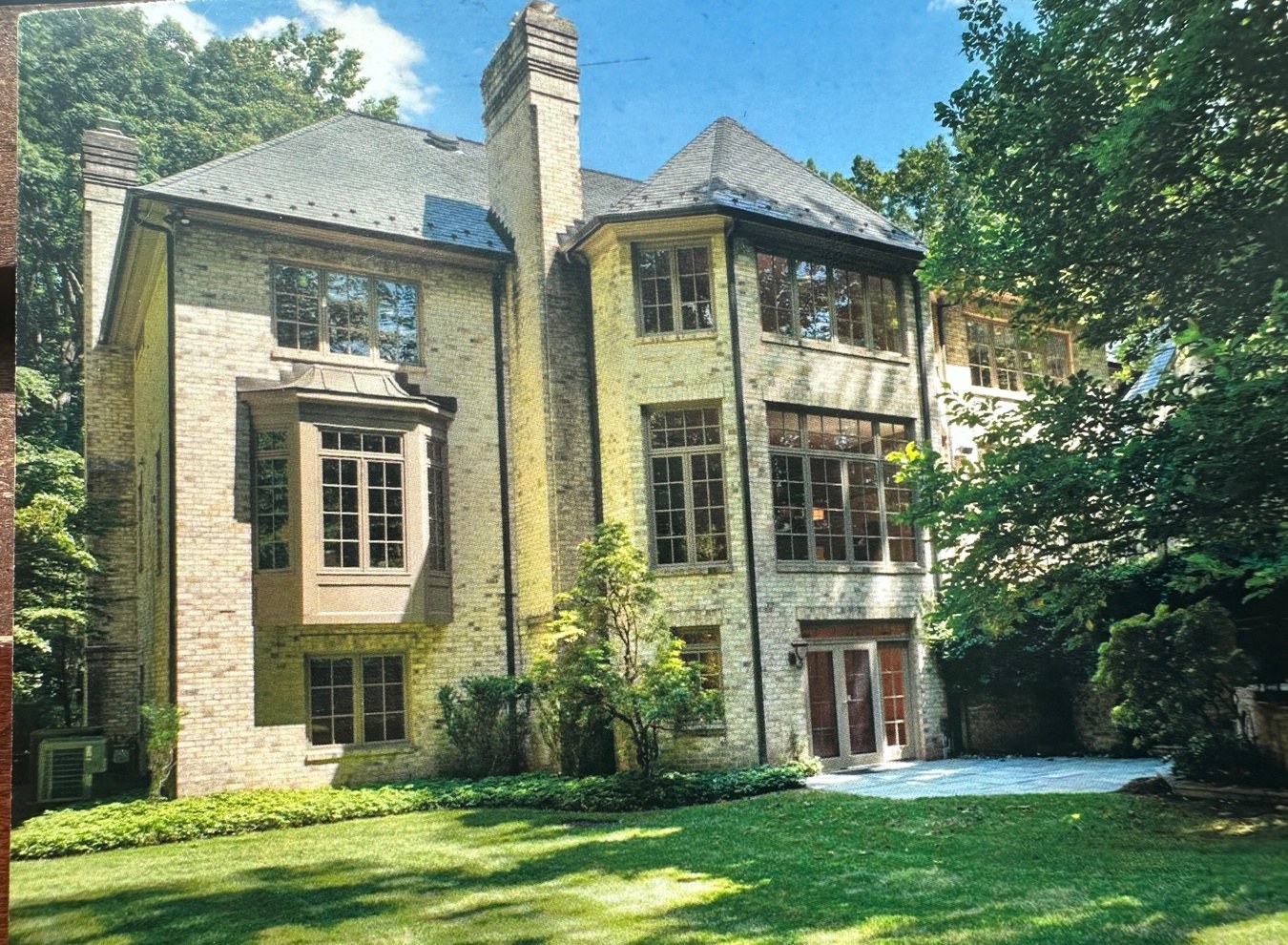
I had bought the Rye Brook house on Christmas Day via a phone call, sight unseen, while I was in McLean, Virginia. And so for the time being I commuted to McLean every Friday and back to Rye Brook every Sunday.
Because of the routine travel, I had a permanent reservation in seat 1A on the small plane which did the commute. On one of those trips I was in my seat when three guys came on board.
They asked me to move because one of their number was Bill Clinton! I refused, and Clinton told the Secret Service guys to leave me where I was and he came and sat beside me and chatted for the 1½ hour trip!
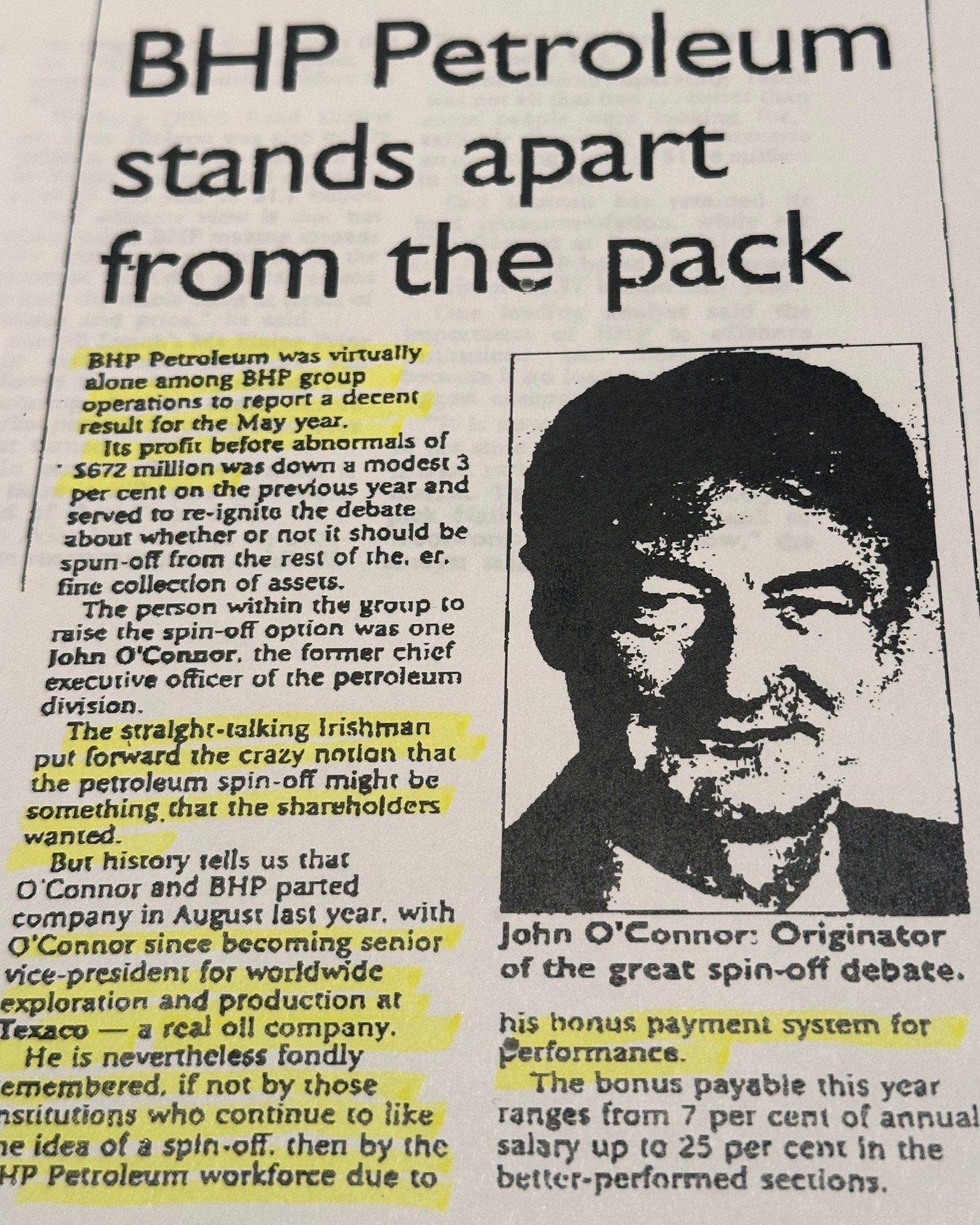
Over the next two years I totally reorganized and downsized my organization, upgraded the assets and gained kudos from the Wall Street investment analysts, who covered the oil industry. I made a couple of trips to Russia, both to Moscow and Western Siberia where I made a useful contact, but did not find a decent investment opportunity. However, an outcome of this effort involved my dealing with the three principals of the TNK oil company, who were looking to sell part of their stake. These were the same three “heavies” oligarchs noted in the previous chapter. Imagine Bijur’s surprise when I invited these guys to come to Texaco’s White Plains office to see if we could buy a stake in TNK and they arrived at the office by helicopter!
Mikhail Fridman of Alfa Bank had a machine pistol on his desk when I had visited him in his Moscow office. His net worth is $15 billion. Len Blavatnik was an American citizen of Soviet birth, who became a pillar of the West’s establishment. He has a variety of institutions named after him including a wing of the Tate Art Museum in London after he donated £50 million to the museum. His worth is estimated to be approximately $28 billion.
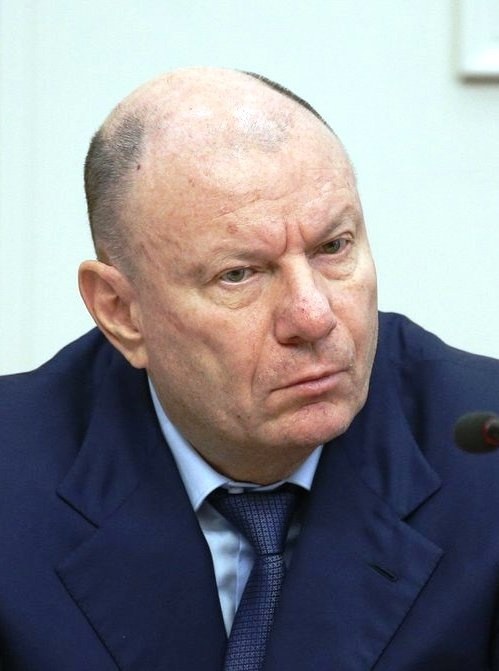
And the third of these oligarchs was Viktor Vekselberg, a Russian-Israeli worth $10 billion. He is best known in the West for having bought up all the Fabergé Eggs he could find including nine from the Forbes family. His superyacht Tango was seized by the police in Palma in April 2022. As for the discussions with Texaco, they went nowhere because their asking price was outrageous.
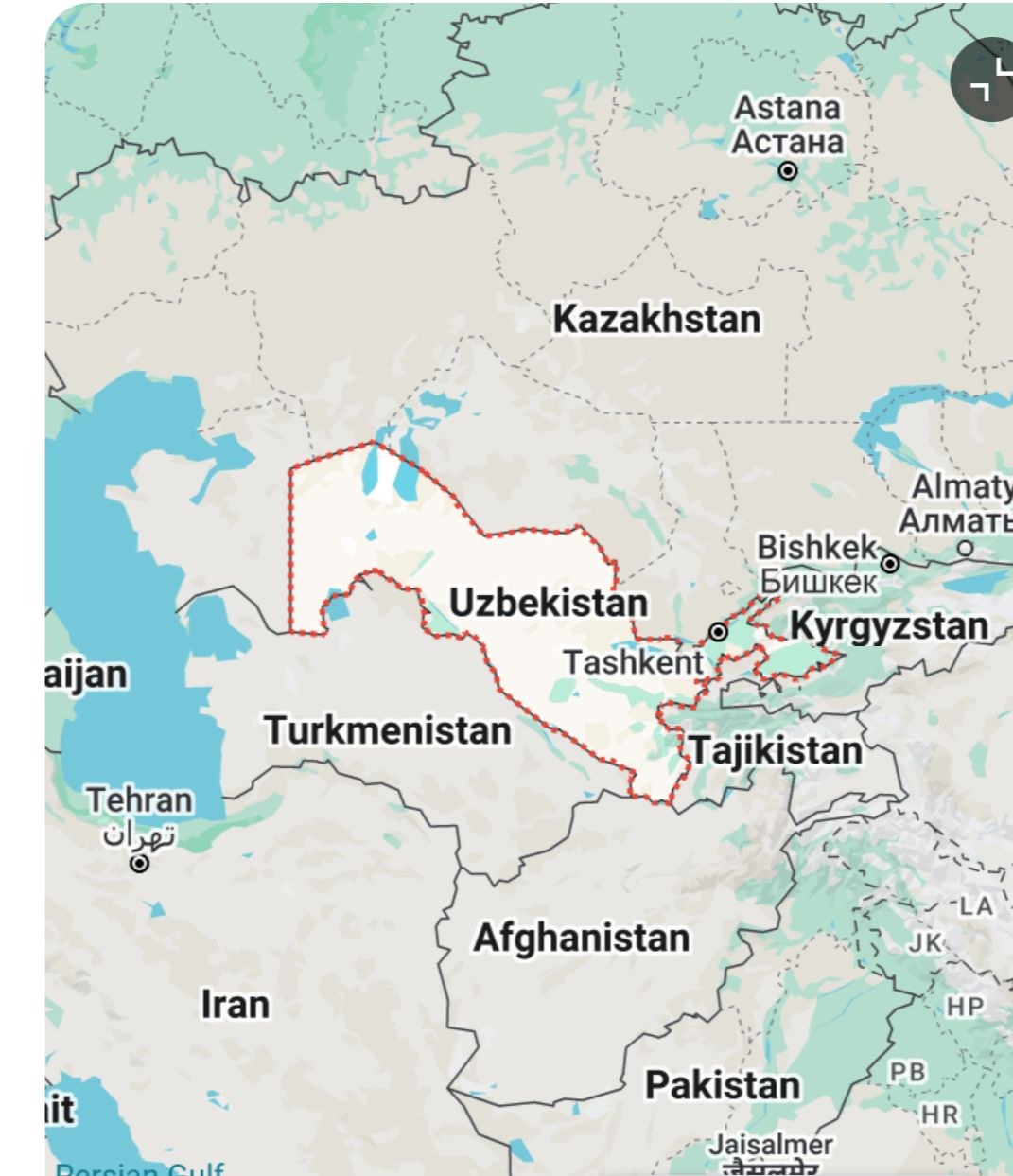
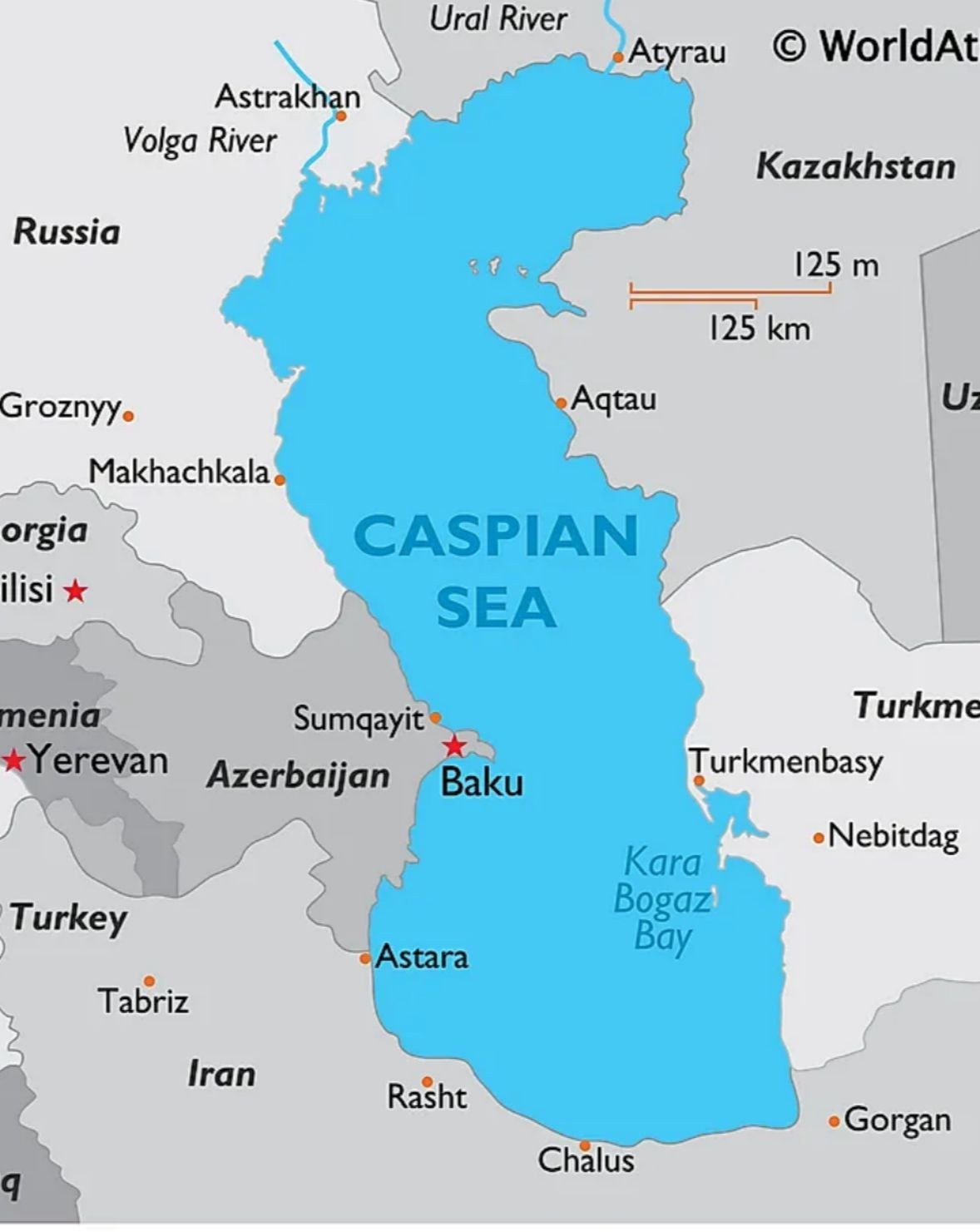
To refresh the E&P portfolio, I upgraded our position in Kazakhstan where we were involved in a number of oil fields.
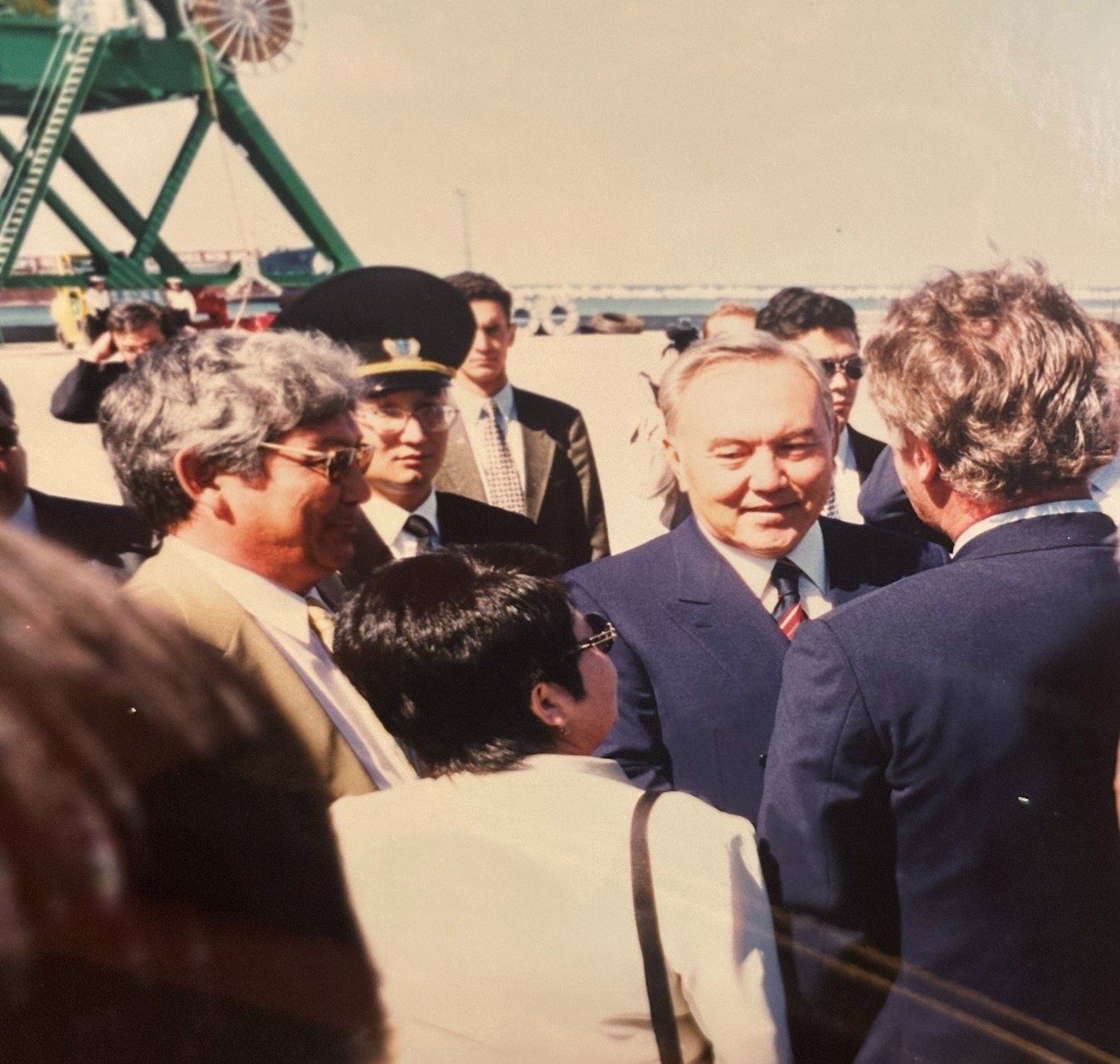
This meant being hospitable to the authoritarian ruler President Nursultan Nazarbayev.
I added significant opportunities in the Gulf of Mexico and Nigeria, which led to a directive from the Nigerian President that I must visit him every six months to keep him updated.
Incidentally, a funny thing happened when we were invited to his inauguration as President of the country in the Nigerian capital Abuja.
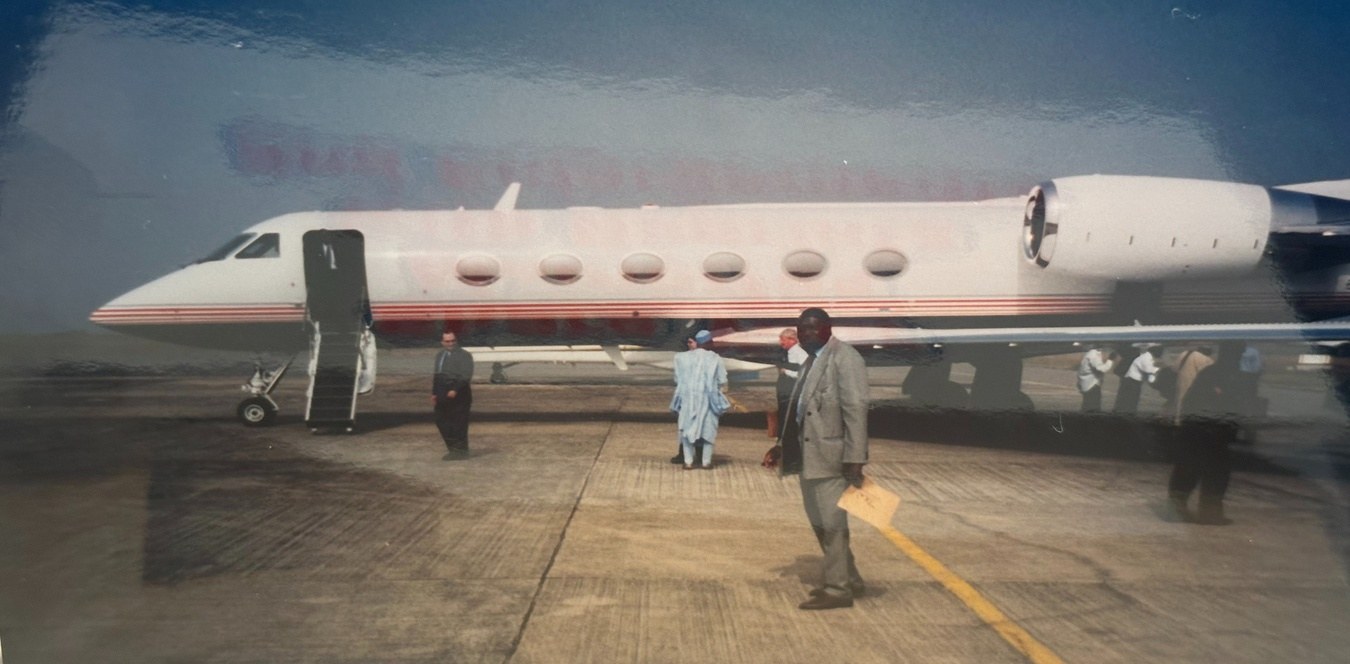
We took the Texaco plane to Lagos and were supposed to transfer to a smaller aircraft for the flight to Abuja, the capital.
When we landed in Lagos Airport, however, we found that the smaller airplane was unserviceable. My VP of Production turned to the Nigeria Country Manager and asked what was Plan B? This guy answered with a straight face: “There is no Plan B!” We did find a way, involving driving across the central Nigerian savannah for 100 km, only to be prevented from entering the enclosure for the ceremony by unruly throngs surrounding the place. Such chaotic events epitomized Nigeria.
As part of their prior attempt to add worthwhile assets to the portfolio, Texaco’s executives had entered an old oilfield in Azerbaijan. I couldn’t believe the decrepitude when I visited it. I wrote down the value of the place as soon as I could thereafter and exited.
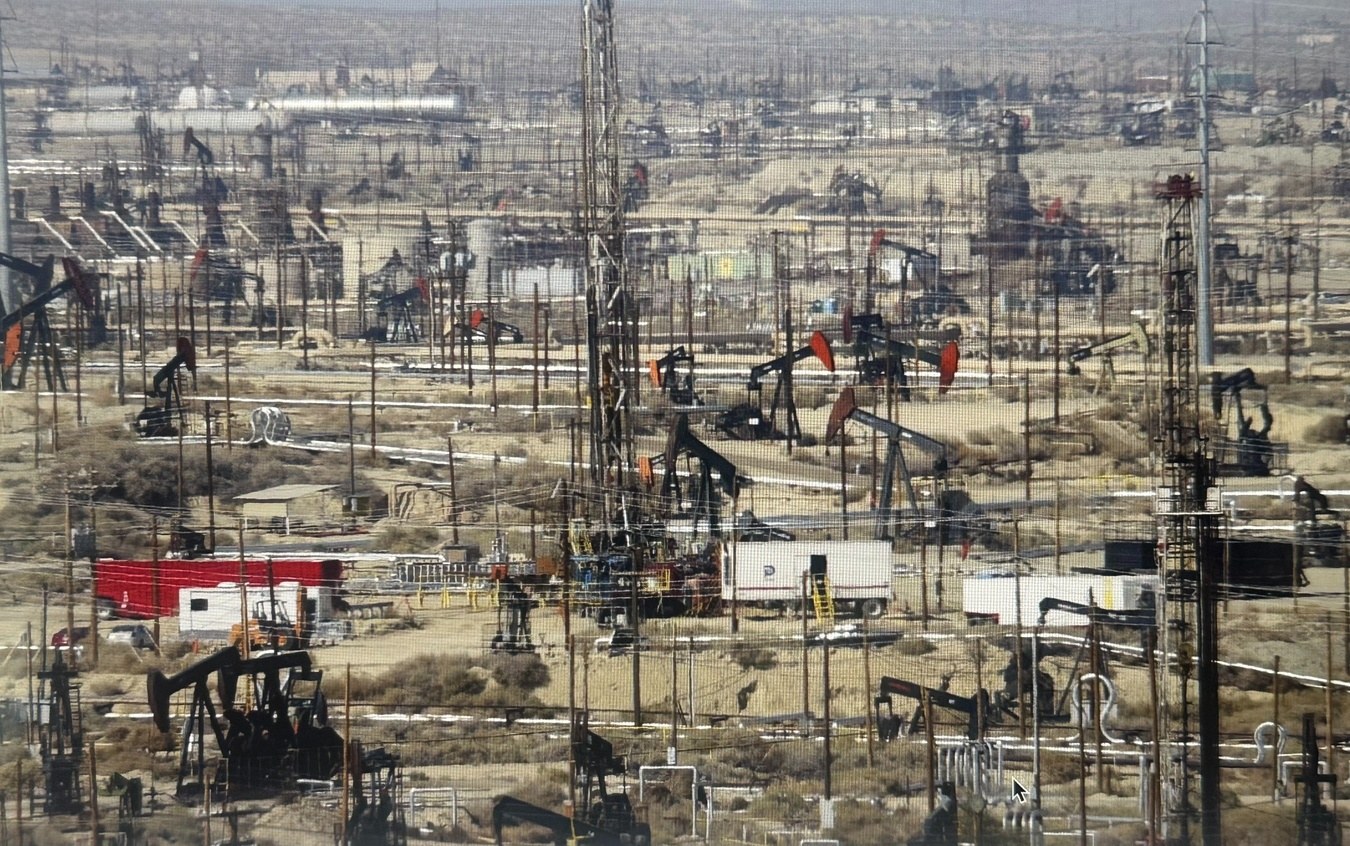
Another initiative had been the acquisition for some $500 million of a position in the ancient Kern River heavy oil field in Bakersfield, California. When I visited, the sight was something from a Hieronymus Bosch “inferno” painting.
I was stuck with this hell, because the write-down on exit would be too great.
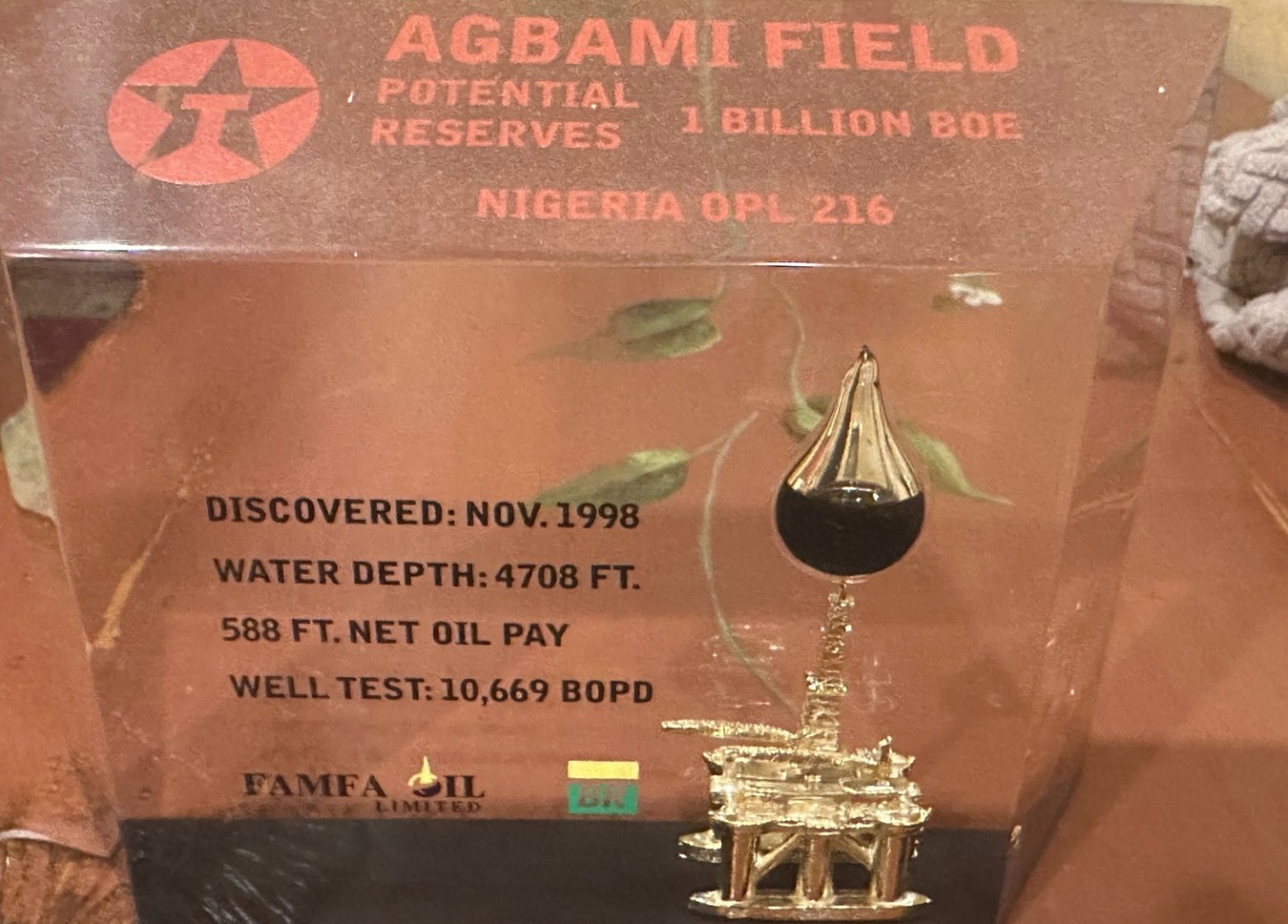
However, before the end of 1998 a wildcat exploration well we drilled offshore Nigeria found a billion barrel oilfield and investor sentiment started to improve.
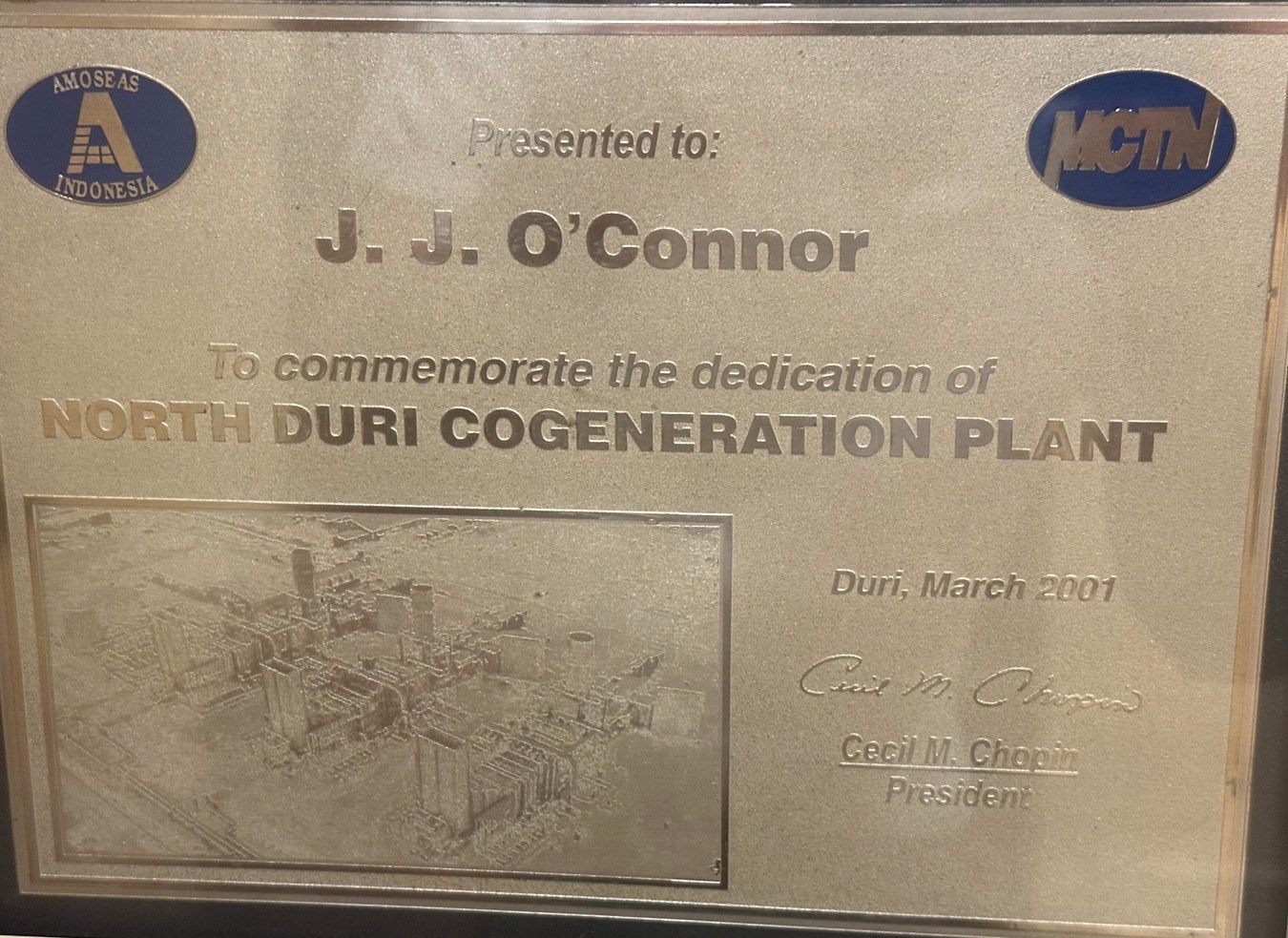
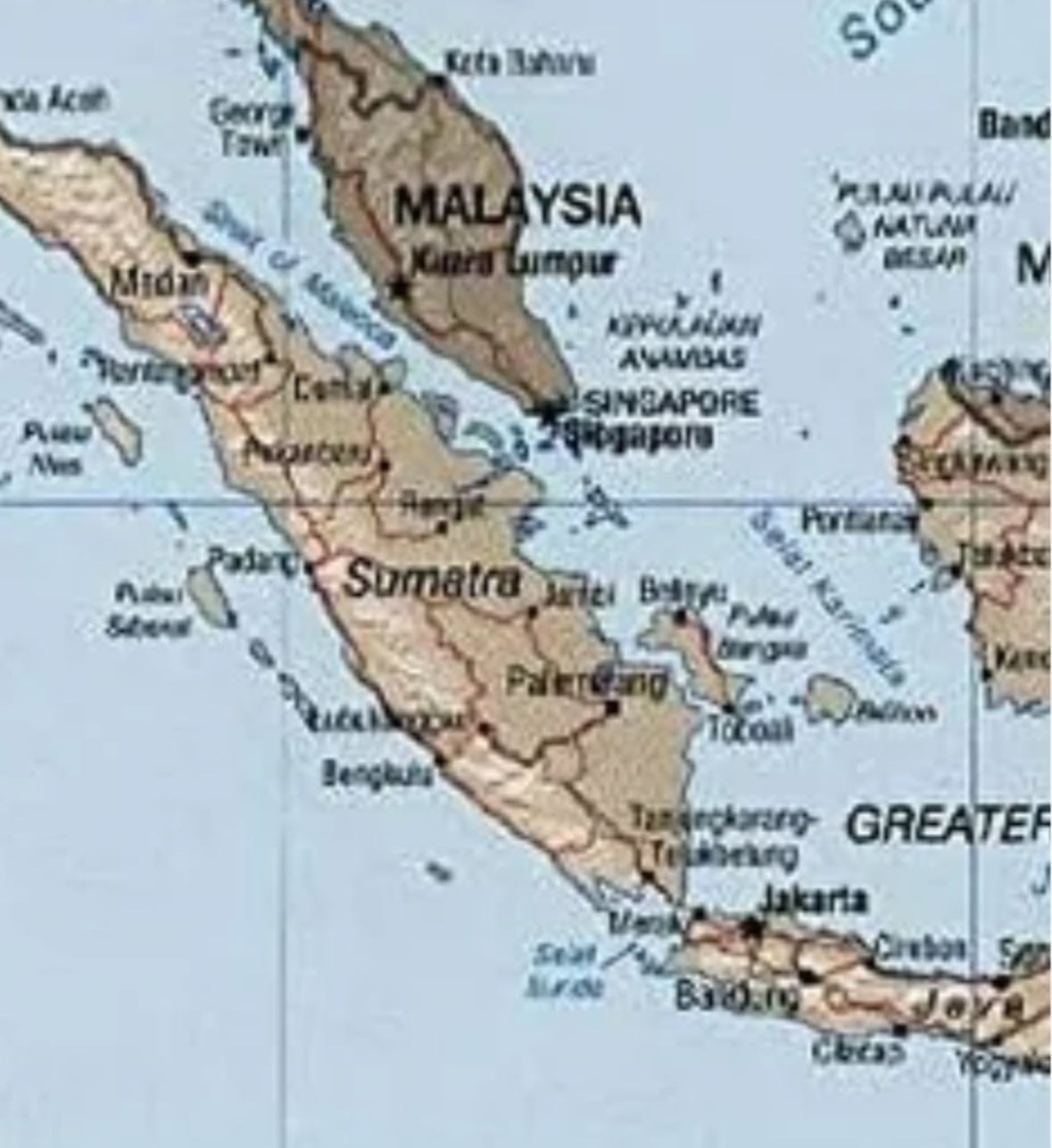
Another plus was the successful commissioning of a big power plant in South Sumatra, Indonesia in early 2001.
In retrospect, there were a number of memorable events that happened during my brief tenure with Texaco. -Liz and I traveled to Brazil for a Board Meeting. We floated on a Texaco fuel barge on the Amazon, offshore Manaus, and stayed at Copacabana Beach. We spent a pleasant afternoon in the company of Senator Sam Nunn, and his wife, just the four of us. -We went through the almighty upheaval preparing for Y2K which turned out to be a damp squib. -Texaco sponsored the 2000 Sydney Olympics and I went as a Texaco ambassador. A thoroughly enjoyable experience. -Bijur didn’t really attend social events, so I stood in for him at a Manhattan dinner held to welcome King Fahd of Saudi Arabia.
One of the people at our table who engaged me in conversation was John Hess. -Another benefit of working for Texaco was the opportunity to attend the Metropolitan Opera at Lincoln Center, which Texaco had sponsored for some 63 years. We got free tickets for the best box seating and I indulged most Saturdays while I was there.
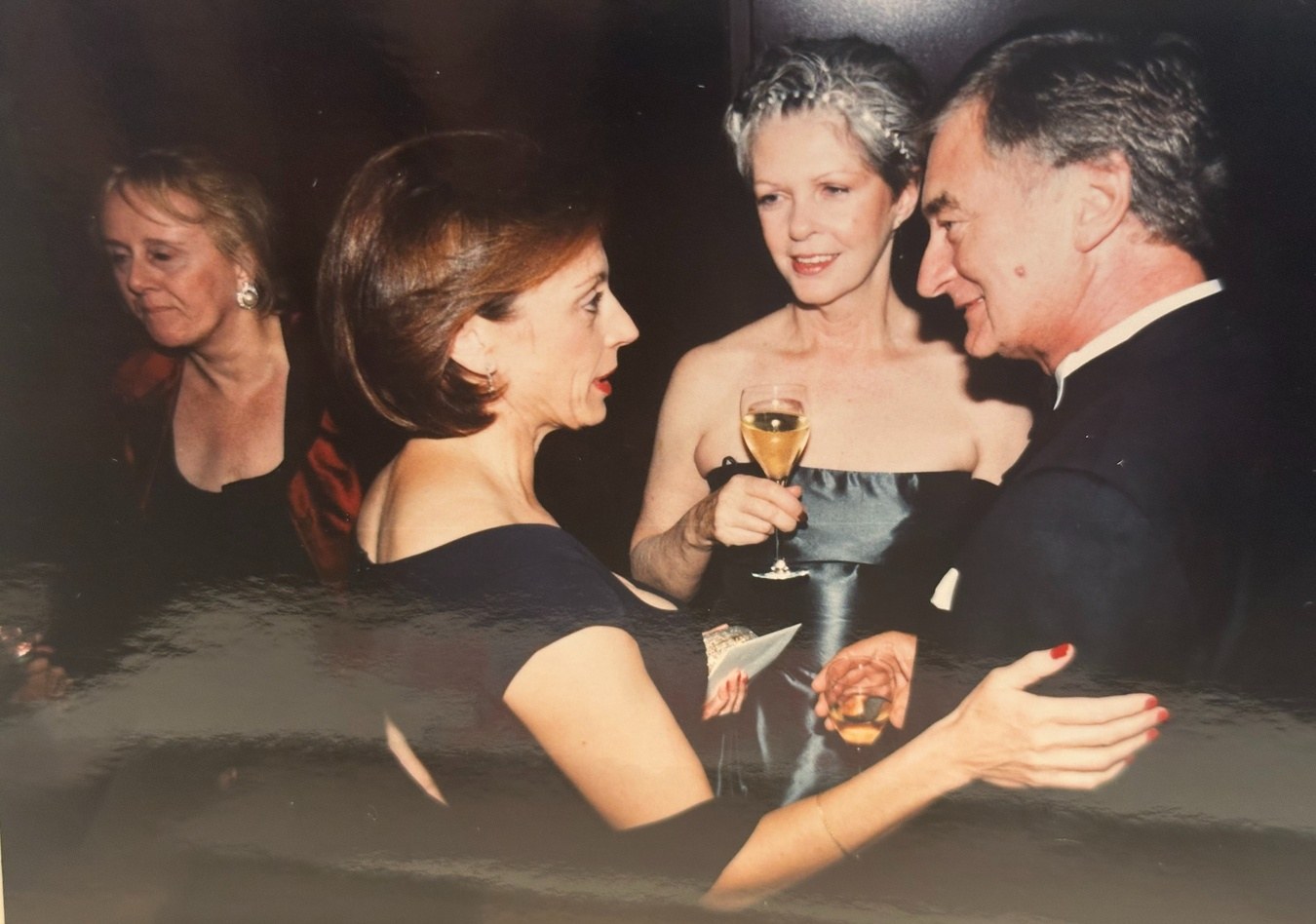
Socializing The only other people who took advantage of the tickets were Deval Patrick and his wife Diane.
Finally, and dreadfully, I was preparing to go to the office one morning when I saw on TV the disaster of 9/11 unfolding. I invited some colleagues to come over to the house and observe the aftermath in private. I went down to SoHo the next day to get closer to the calamity, which was almost unbelievable.
For some reason, it seemed in around 2000 that Bijur decided (not without reason) that Texaco didn’t have much of a future.
His first ploy was to go to The Hague and try to interest Shell in some sort of merger. I knew most of the Shell execs and could see their smirks at this embarrassing prostration. Needless to say nothing came of the initiative.
The obvious partner for Texaco was Chevron. They had joint operations in Asia (Caltex) and their assets were complementary in places like Nigeria, Angola and the Gulf of Mexico. Chevron was well known to us. Their CEO at the time was the Irishman Dave O’Reilly who was a year behind me in UCD Engineering School. Furthermore, my counterpart as Head of their global E&P portfolio was Dick Matzke who had been Head of Chevron Canada when I was Head of Mobil Canada and as such, had been our partner in the Hibernia oilfield. The problem was that O’Reilly and Bijur didn’t much like each other. However, Matzke and I greased the wheels after a golf game on the famous California golf course Pebble Beach. And while the first merger attempt in mid-1999 failed while Ken Derr was CEO of Chevron, he retired in early 2000 and his successor, O’Reilly, managed to get the deal across the finish line in October 2000—much to the relief of a number of us.
But this wasn’t the end of the Texaco upheavals. Finalizing mergers can take months and in February 2001 we employees were all still in White Plains twiddling our thumbs, unoccupied, for the final day to come.
Then on the first Monday in February 2001, we came to the office to find that on the previous day, Bijur had “resigned” (the Board had met over the weekend and fired him). I can’t remember exactly what had led up to this, but there was something about him bringing his girlfriend on the company plane, which was a no-no. But there had to be more to it than that. Deval Patrick had met with a Board committee over the weekend and he was conveying something unsettling from three or four of us senior execs. After the dust settled, the others and I were granted $100,000 each by the Board for our good stewardship!
The government took a long while to agree to the merger, and our last day came only eight months later, on 9 October 2001. But before that day came, I made two trips to say farewell to our overseas employees in 2000. In Nigeria, I was with Bijur and his girlfriend, Kjestine, among others. During dinner, she, sitting opposite, leaned over the dinner table to me and, with a smirk, asked how I was going to fill my time in retirement! I was only 54 and heading for unemployment. Little could she have imagined how the roles would be reversed in less than a year.
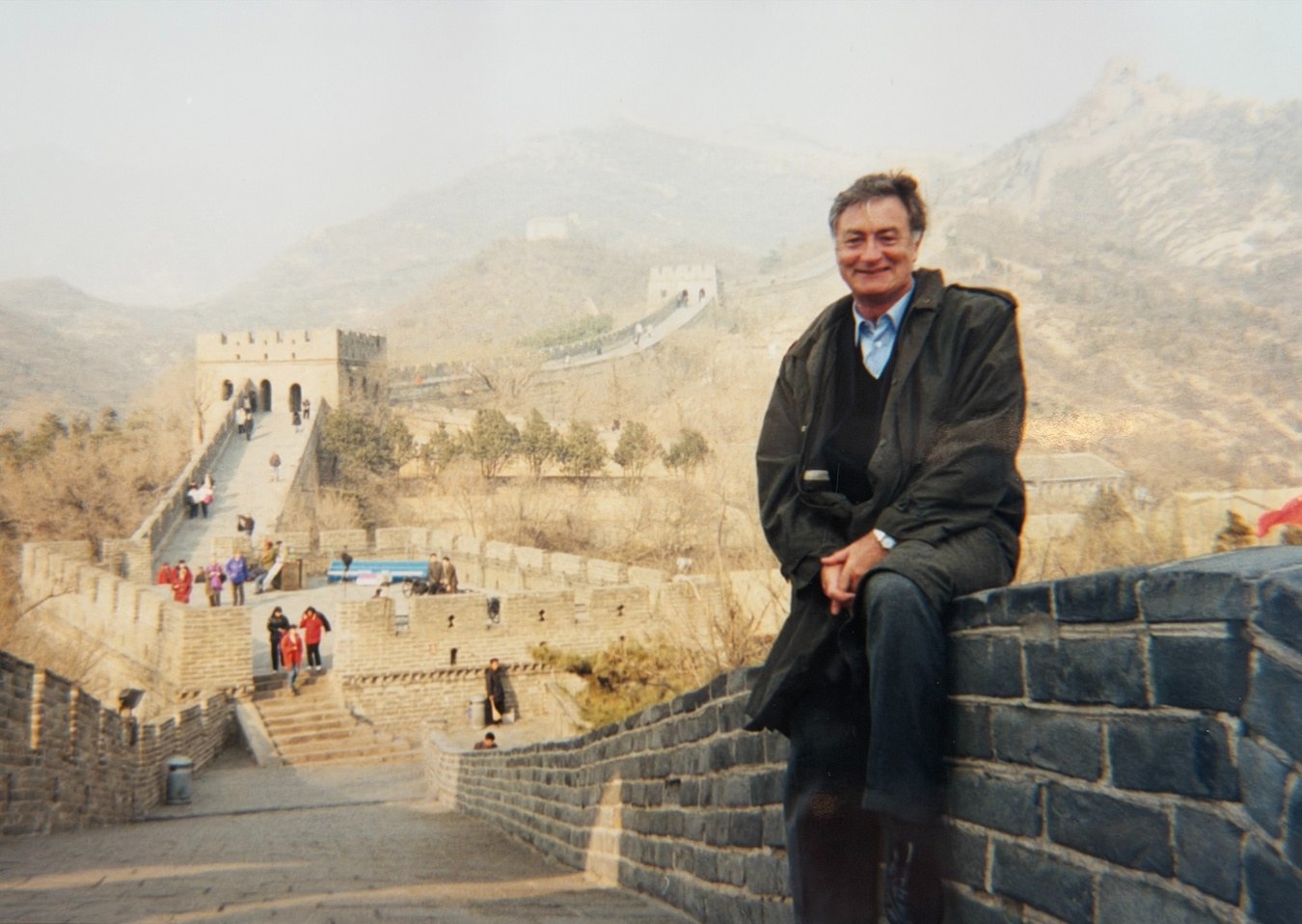
My final trip was a sort of round the world one, taking in our offices in Australia, the Philippines, Hong Kong, and China.
Meanwhile, John Hess had engaged me in a long-running series of meetings aimed at seeing if I would be a fit in his company. He still had an English CEO in place. Somewhat ironically, I used Texaco’s penthouse suite in Manhattan’s Carlyle Hotel so that we could meet in secret! We finally came to a satisfactory agreement and on the Monday following Texaco’s end in October 2001, I started work with Hess in New York City.


Continue Reading
2001–2009
Hess
I joined Hess (or Amerada Hess as the company was called) in Midtown Manhattan in October 2001 as head of Global E&P. How good it was to change employers without having to move house.…